Who may and may not benefit from going off the electric grid

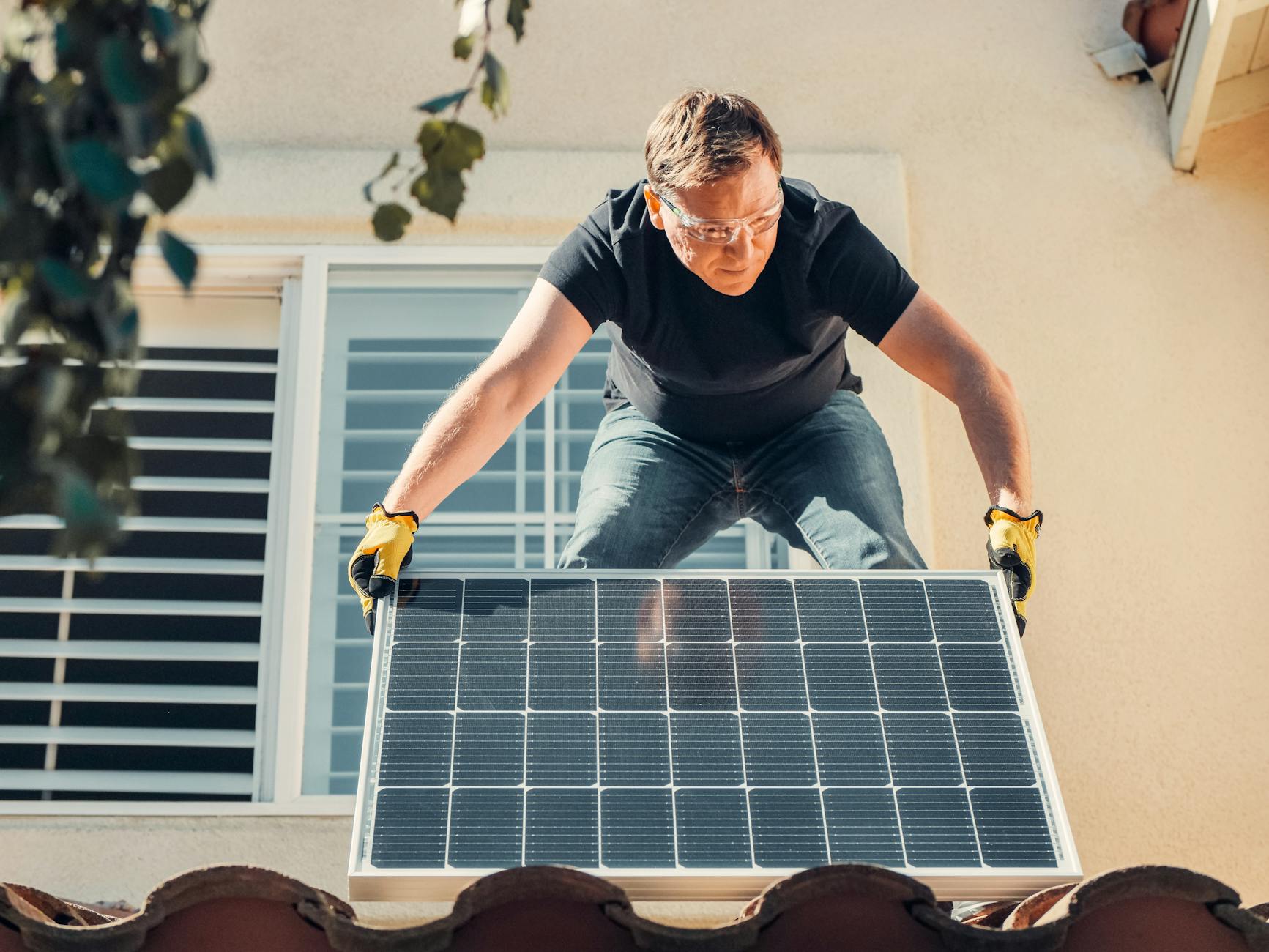
With the declining price of solar panels and an increasing ability to go off the electric grid, who could benefit?

Photo by Kindel Media on Pexels.com

These trends, coupled with increasing grid electricity costs and decreases in both solar and battery costs, have made economic grid defection a salient issue.

But this also raises concerns about potential “utility death spirals,” where as more customers leave the grid to save money, the ones who are left face higher electricity costs, prompting even more to leave until the utility is bankrupt.

This trend raises two major concerns. First, those who can’t afford to leave the grid — often the poorest households — will end up paying the most for left-over fossil fuel electricity from the grid. Leaving the grid requires a hefty up-front cost, and not everyone can afford it.

Second, our research shows that the diesel generators used as back up for off-grid solar and battery systems will cause significant pollution — even more than the grid in some locations.

Large-scale infrastructure often serves large numbers of people. Without a large user base – whether it is a highway or an electrical grid or a sewage system – it is harder to justify its construction and maintenance. When most, if not all, the population participates, resources can be pooled and the infrastructure can serve the common good. The shift to mass society can with systems that (theoretically) served all.

If not everyone participates, things can get interesting. We see this playing out in a number of areas. What if more people start purchasing electric cars? The gas tax resources that fund roads start to shrink so there are ways to make up that revenue. What if health care is a multi-tiered system where those who good jobs and insurance can access better care? Then the public option might suffer in terms of quality and prices.

The vision above hints at a two-tiered electric system: those who have the means to produce their own electricity and those who cannot and need to keep paying for an aging system. If the trends described keep going, it could lead to interesting discussions and choices made about how to provide electricity in the United States in the 21st century.

Going off the grid in a suburban setting

What issues might arise if a suburbanites want to take their residence off the grid?

Photo by Vivint Solar on Pexels.com

Many off-gridders have glanced at their water bills and decided they’d rather use the water that falls from the sky for free, but some states make rainwater collection systems very difficult to install in your home, or have strict limits on how much rainwater can be harvested and how it can be used (for example, Colorado only allows certain properties to collect 110 gallons, which can only be used outdoors). For waste management, installing a septic system in a crowded urban neighborhood will be nearly impossible, and many states have extremely strict regulations surrounding the installation of composting toilets (not to mention extremely strict regulations about what you can do with all that waste once you’ve collected it).

Additionally, local municipalities might have laws that supersede or enhance statewide restrictions, and Home Owner Associations (HOAs) may have rules that prevent you from making the changes necessary to your home. These rules can beprettycomprehensive, too—some HOAs don’t allow clotheslines for drying clothes, for example, and can even forbid solar panels for aesthetic reasons. Condominium boards may also resist some of your off-grid choices. Bottom line: before you do anything, check the local laws and regulations that might apply to you.

Finally, while installing solar panels on your property is more or less legal in every state (and many states encourage it), not all states or local municipalities will allow you to actually disconnect from the power grid. If you feel it’s important to literally be off-grid, you’ll need to do some digging before you assume anything; and in multi-family structures like condominiums it might even be physically impossible to accomplish. Of course, the flip side to remaining connected is that in many cases you can sell excess electricity back to the grid—and if your solar rig fails at halftime during the Super Bowl, you’ll still have power…

Of course, if you’re going to grow your own food in the city, you’ll need enough space for that, too. It’s not impossible to find city homes with yards or large outdoor spaces where you might be able to grow your apocalypse garden (and even raise chickens!), but those houses will obviously be more expensive. And your property deed or local regulations might limit your ability to have “livestock” of any kind on your property (and your neighbors may or may not be excited about those chickens).

Three things strike me after reading this:

  1. Suburban life is ruled by a series of local regulations. Suburbs on the whole might have similar guidelines and expectations compared to other kinds of places but local control can lead to oddities.
  2. The ability to live in one’s own residence is connected to community regulations and a social contract with surrounding residents. This leads to two questions: can a resident go off the grid and should a resident go off the grid? What would the neighbors think?
  3. I wonder how many suburbs are prepared for this possibility. Even if regulations make it more difficult to go off the grid, what would happen in communities if someone really wanted to pursue this and they had the resources and means to pull it off?