
Skaters have revived a plaza in downtown San Francisco:
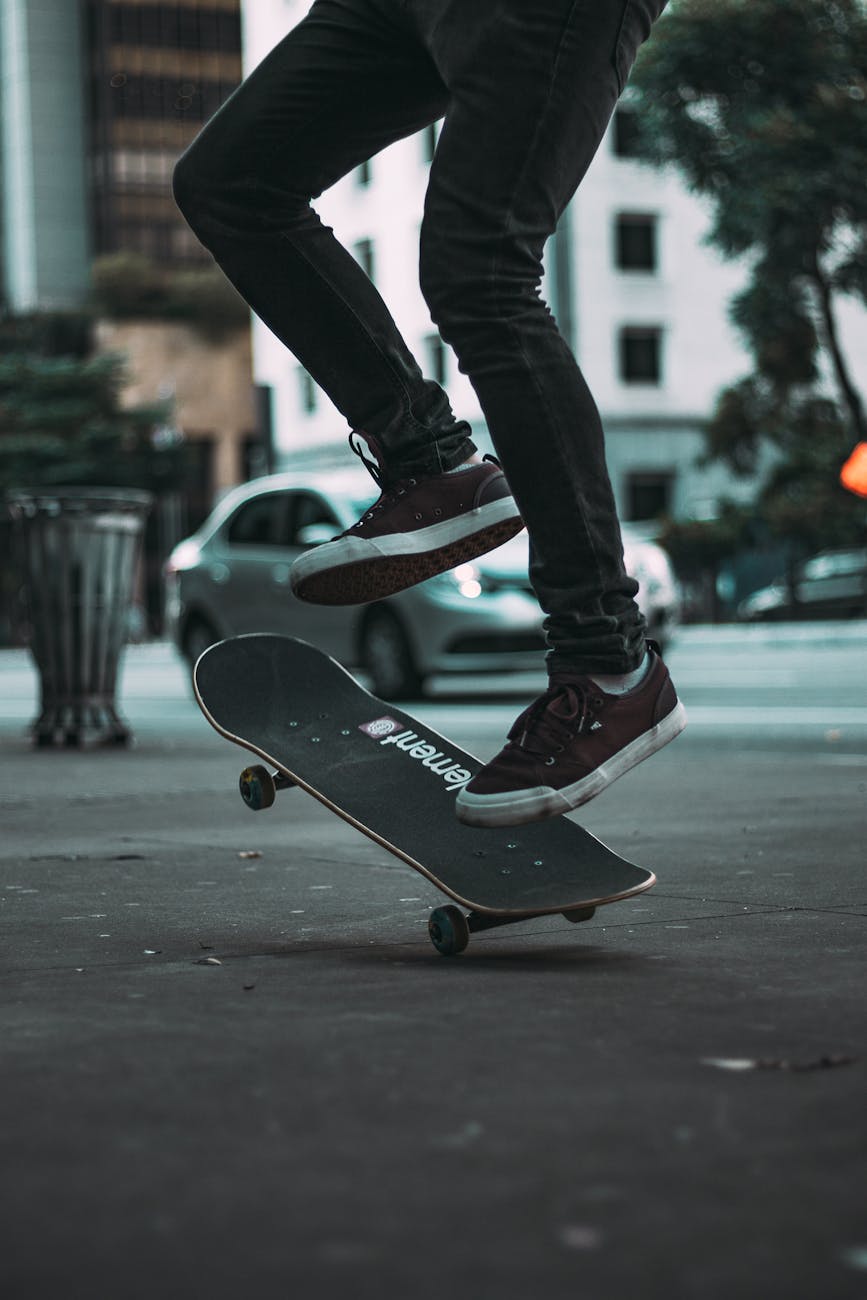
For a city struggling to recover after the Covid-19 pandemic, the images of suffering and bedlam could not have been more inconveniently placed: U.N. Plaza, a block from City Hall, has a busy rail station and is bordered by Market Street, a major thoroughfare that double-decker tour buses cruise daily. In 2023, after a big, international conference announced that it was coming to the hobbled city, the parks department scrambled to find a new life for the site.
That turned out to be a skateboard park. On a recent sunny morning, kids in baggy pants slid the railings around a flagpole and cruised over a volcano-shaped embankment. The old granite ledges that used to be illegal to skate on were now open to grind and slide.
Inviting a bunch of skaters to rip around, scuffing ledges, is not the use San Francisco had in mind in 1975 when the plaza was dedicated to commemorate the founding of the United Nations in the city. U.N. Plaza was part of a larger redevelopment meant to attract affluent shoppers to San Francisco from the suburbs. Instead, for the next four decades, the city produced regular reports of failure that highlighted assaults and drug use on the plaza, and high vacancies in the buildings surrounding it. For all the thought that went into the open design and gushing fountain, it was never clear what people were supposed to do there…
What the transformation of U.N. Plaza does show, however, is that attempts at urban revival can go a long way for relatively little money when they attract a natural constituency of users. Obvious as that may sound, it’s the opposite of how planners in San Francisco and elsewhere have historically operated. The notion that a great public space is defined by architecture first, people second, was so ingrained in the city’s thinking that it took the squalor brought on by the pandemic to reverse it…
Another thing that Mr. Ginsburg said he had learned from working with skateboarders was that they operated as the informal “watchful eyes” that the urbanist Jane Jacobs had described as a crucial element of safe streets. They cover a lot of space, they watch out for one another, and unlike a concert or special event, skaters require no special programming from the city. They just show up in short bursts throughout the day, helping to maintain activity outside working hours.
As noted later in the article, skaters are not necessarily the ones American cities tend to call on to bring social life to spaces. But, if the alternative uses are worse, they might call on skaters.
And even though Jacobs is invoked above, her analysis would likely go further than just finding a set of people who want to be in the park: why not design a neighborhood where the uses around the park or plaza support an endless flow of people and activity around and in the park? Then you do not need people who need to just “go to the park” but rather all types who are going in and out of the park.
Would this relationship between the city and skaters continue with the city (1) setting up more spaces for skaters and (2) limiting anti-skating devices and policies in other locations?
 Legally Sociable