
One well-known site on Chicago’s southwest side will soon be no more:
For some in the city’s cultural community, the demolition of the historic grain silos represents a visual gut-punch. The structures — icons of urban decay as they sat empty for nearly five decades — have been a popular backdrop for filmmakers, musicians and skyline photographers and served as a canvas for many graffiti artists who ignored the “No Trespassing” signs. The silos even appeared in the 2014 movie Transformers: Age of Extinction…
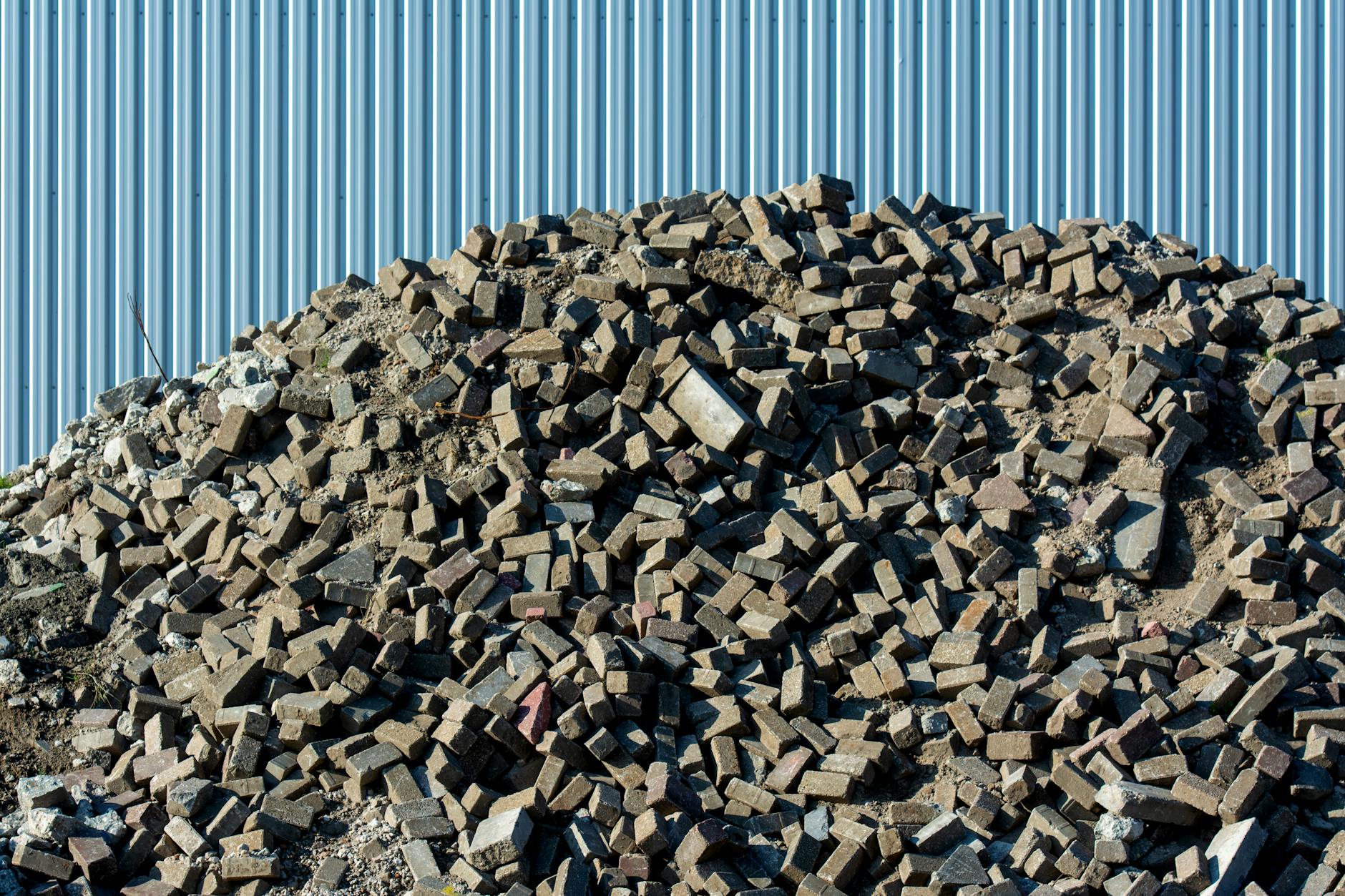
Whether you think of them as eyesores or historically significant structures, the Damen Silos will soon vanish from the Southwest Side’s skyline. By the end of last week, a squat building along Damen Avenue had been reduced to rubble. Heneghan Wrecking’s crews were working next to the tall silos, where the noise of a jackhammer rang out. Workers sprayed water to prevent clouds of dust from filling the air.
“We are extremely disappointed about the demolition,” said Kate Eakin, managing director of the McKinley Park Development Council. “It represents a gross lack of imagination about what the site could be, as well as failures of government at several levels to communicate with each other.” Eakin’s local neighborhood group hoped to see the site transformed into a music venue and park that could host festivals. Other grain silos have been repurposed in similar ways: An art museum fills a former silo in South Africa, while Minneapolis left a silo standing in the middle of a popular tourism district…
“The Damen Silos are among the last remaining reminders of the agricultural trade that literally built the city,” said Tom Leslie, an architecture professor at the University of Illinois at Urbana-Champaign. “Losing the Damen Silos means yet another lost opportunity to celebrate the city’s history as the center of agricultural trade.”
This single case hints at multiple interesting questions communities consider. At what point does an abandoned building or property become worth preserving? Which buildings can or should be repurposed for cultural or recreational use? Who should make these decisions and who can or should fund decisions?
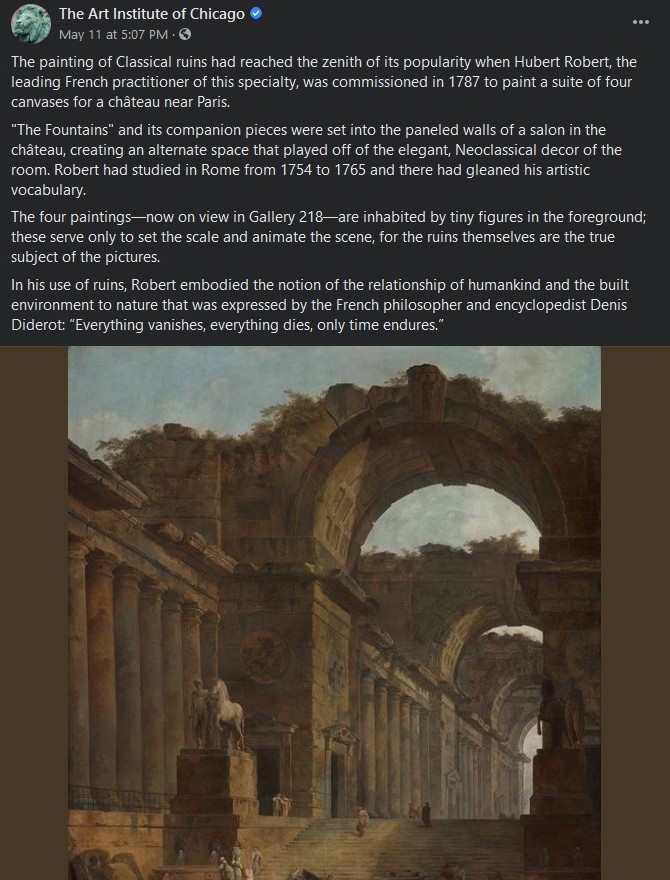
But this case also involves ruins, industrial ones at that. This is a different kind of case than a once opulent theater or a once thriving neighborhood. How many industrial sites in the United States are preserved? There would be no shortage of such sites across American cities, particularly in the Midwest and Northeast.
 Legally Sociable