
However the United States celebrates 250 official years in 2026, the year could mark another important anniversary: eight decades of postwar suburbia.
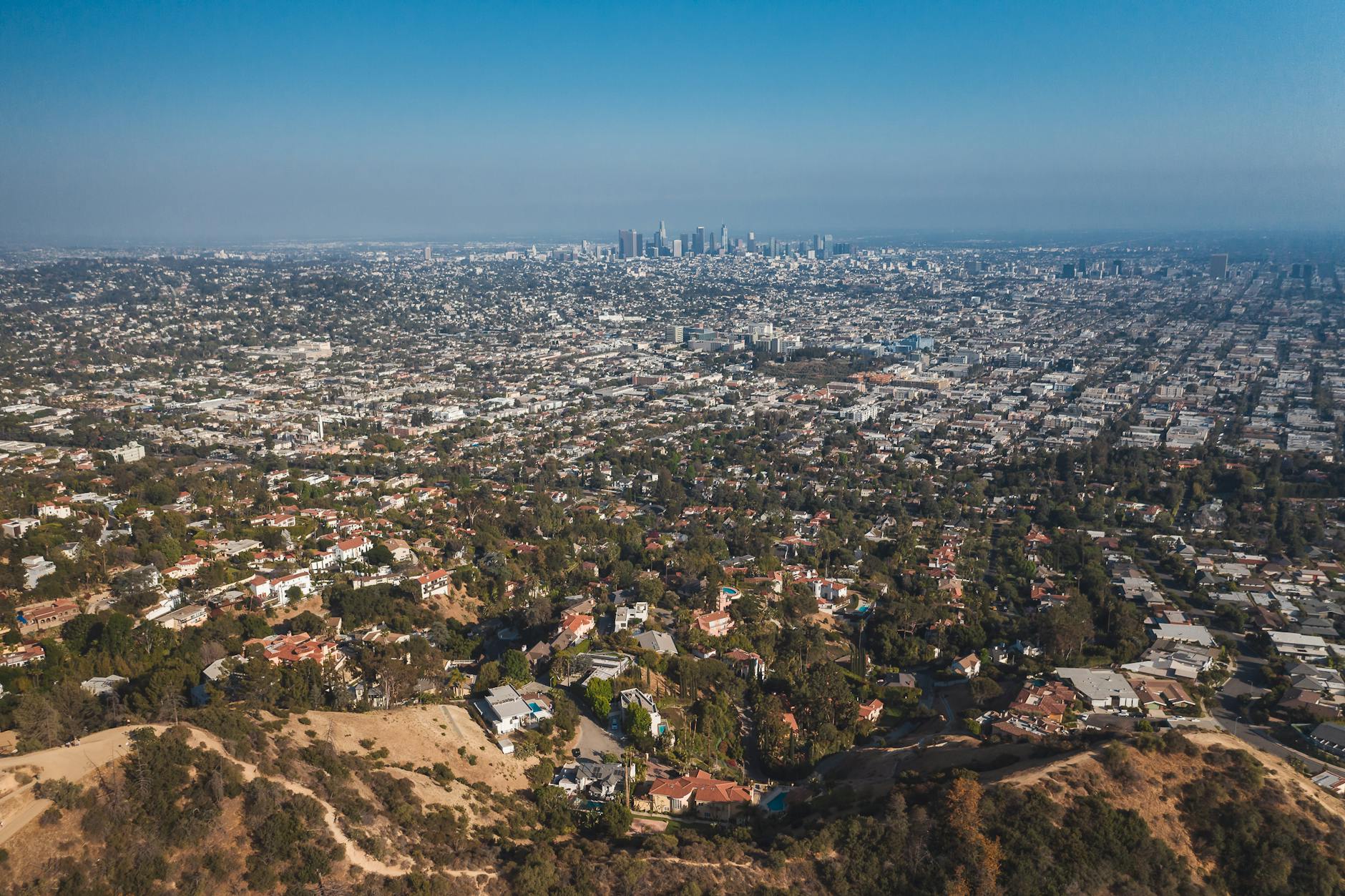
With World War Two ending, the United States shifted more focus to domestic concerns. Returning veterans wanted houses. The economy which had been hit with a depression and then global war looked to rev up and wanted new outlets. Americans already had a ideal of suburbia and single-family homes though relatively few people could access it. The population started growing faster again. People needed housing.
Over the next few decades, postwar suburbia took shape. Big developers. Highways. Land annexations. Single-family home subdivisions. Driving all over the place. Fast food stores and shopping malls. Expanding metropolitan regions. Suburban music and TV shows. New structures for mortgages.
All of this required policies, resources, and cultural shifts. It did not happen all at once or necessarily have one origin point in time. Did it start with the beginning of construction of Levittown, New York? Did it begin with a new idea? Did it start with a particular policy (which may have happened before the late 1940s but did not have the other pieces)? How about the invention of the Model T or balloon frame housing?
Thus, we may have to settle for roughly 80 years of postwar sprawl in 2026. Perhaps some group or movement could argue for a particular year. But this also means that almost one-third of the time since the United States started (ignoring the history leading up to that) involves sprawling suburbs. Is this a big amount of time or relatively little?
 Legally Sociable