Learning about American housing through The Sims

Playing The Sims may just offer a few lessons about housing in the United States:

Photo by Monstera Production on Pexels.com

The Sims felt like a trial run for adulthood, exploring how you’d make use of your future autonomy. Much of this validated the importance of personal space: how to lay out a room, how to choose a sofa that balanced aesthetics and comfort, how to make a house a home…

The official trailer for The Sims 4: For Rent emphasizes the potential of “multiunit life,” promising “ample opportunity … [for] eavesdropping, snooping, or even breaking and entering”—a description that instantly evoked memories of my worst roommates…

Inevitably, a lot has changed. The peaceful suburb I remembered from childhood has been replaced by elaborate “worlds” that I can (effortfully, via a loading screen) switch between to grow my property portfolios. The Sims 4 is more immersive and finely drawn, visually, than the original was, but it’s also more involved: It took me a whole afternoon to create my first Sim and set her up in her “hovel.”…

But soon my frustration (as Edith) with Jazz’s requests started to outweigh my commitment to being the Only Good Landlord. Every notification from the rental instantly provoked my impatience. Not the damn tenant again! The slow, clunky transition within the game between Edith’s home and the rental only added to my frustration and my creeping sense of Jazz as a burden. Why did this guy need so much of Edith’s energy?

With For Rent, The Sims has perhaps moved too far toward reflecting brutal reality, forcing players to choose between being on one side or the other of an often fractious and all-too-familiar power imbalance. As a child, I was drawn to The Sims as a role-play for adulthood, a world of expansive promise and possibility; playing For Rent, I was reminded, depressingly, of how the game is rigged.

The Sims is a game, a product intended to provide enjoyment for players. Can one gamify the rental experience in the United States?

More broadly, The Sims puts a home – owned or rented – at the center of the experience. The United States has a long history of celebrating the single-family home. Renting may be common in some places but it can also be treated with suspicion in other places. Players of the game can make their own choices but they are limited by what is possible in the game as well as what is possible in our society.

Anyone able to offer an analysis of housing, landlords, and properties in general across the Will Wright creations? Simcity offered a particular take as did SimTower – has this changed noticeably over the years? Are there any video games that do a different or better job of portraying property and renting?
Paying to dirty and clean up your (Sims) house

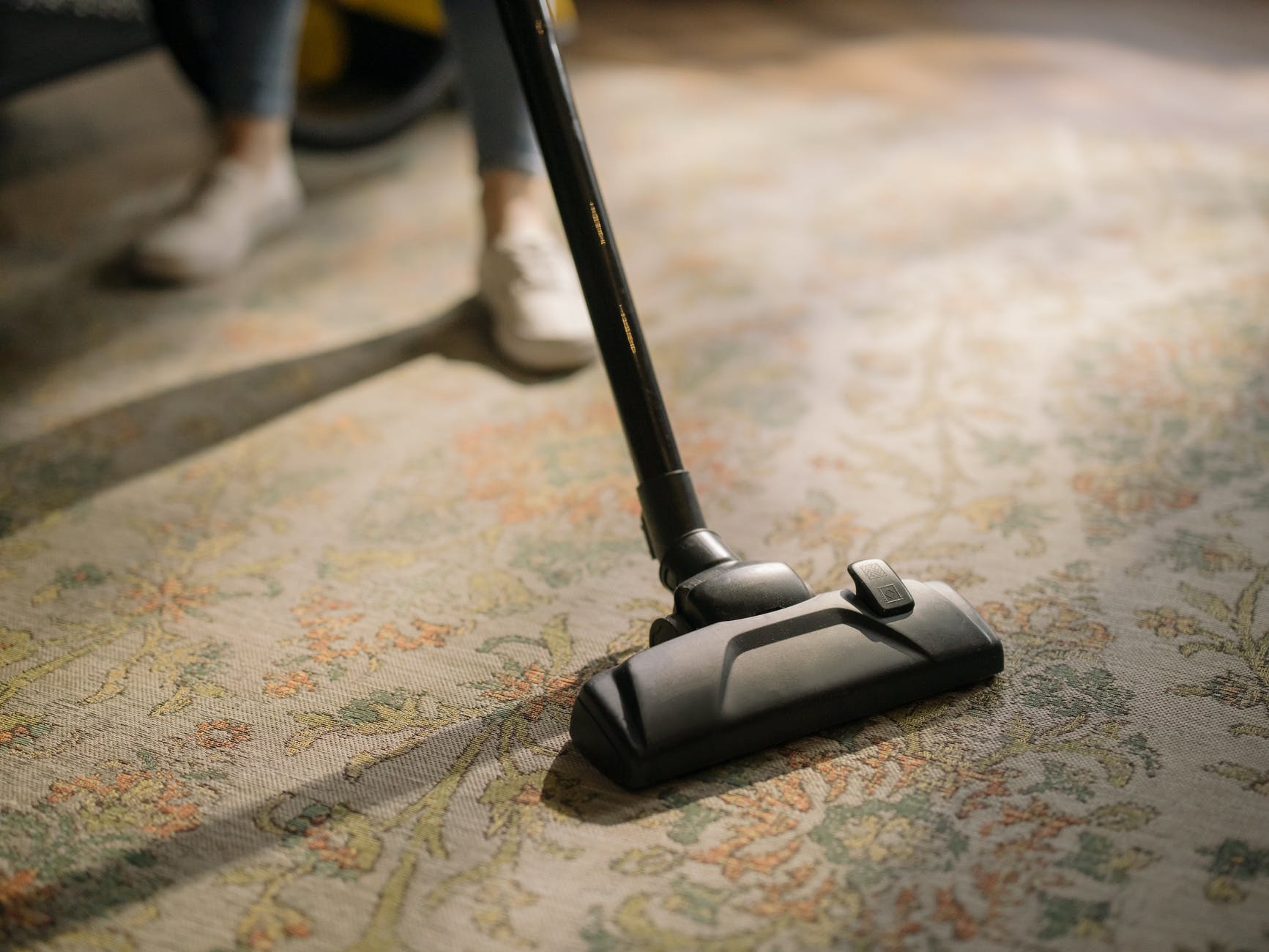
Players of The Sims can now pay for the ability to dust and vacuum their homes in the game:

Photo by cottonbro on Pexels.com

In March, EA released new ways to enhance your Sims 4 experience called “kits,” which are more scaled down and less expensive than the game’s other downloadable content packs. Two of those kits, Country Kitchen and Throwback Fit, are pretty straightforward furniture and clothing packs that add new customization options to the game. In The Sims, you are essentially keeping these virtual people alive and designing their entire existence, from clothing to homes—these kits just offer a little more variety. But Bust the Dust is a little different than the rest, in that its primary purpose is to make your Sims’ lives dirtier. “Dust off the vacuum and tidy up in The Sims™ 4 Bust the Dust Kit!” the kit’s description boasts, making a mockery of the exclamation point by using it to try to sell one of the very worst IRL chores…

What makes Bust the Dust unusual is not just that it adds the new element of household grime to the game, but that it also only adds the new element of household grime to the game. Roaches and dog poop are very minor features of the aforementioned expansion packs, and even a more narrowly focused pack like Laundry Day, which gives your Sims the ability to wash their clothes, comes with a bunch of furniture and some new looks.But Bust the Dust isn’t interested in bells and whistles. It’s just … dust.

Maybe that’s not totally fair. The kit also provides vacuums you can buy (to bust the dust) and new character aspirations (so your Sims know how to feel about the dust and busting it). But mostly, paying $5 gets you a bunch of virtual dust, which accumulates over time on the floors of your Sim’s house, both in a thin coating and in interactive clumps around the room. Early reviews last month complained that the dust accumulated way too quickly—within a matter of in-game hours—but it took around two and a half in-game days for my house to go from clean to dusty. My Sim was thrilled when this happened, because it made the house feel “homey,” and presumably because Sims can’t have asthma. Around this time, a dust bunny moved in and became a kind of companion that you can feed (it eats dust) and pet (which again, is sentient dust).

One of the marks of adulting is the need to clean up after yourself. Dishes need to be washed. Laundry needs to be picked up, cleaned, and put away. Bathrooms need scrubbing. Dusting and vacuuming need to be done.

So why try to replicate this in a game? I suppose this is the point of the franchise: to simulate daily life. The various Sim titles over the years have replicated city building, ant life, towers, and more for multiple decades. Isn’t cleaning up part of daily life just as building water pipes?

Perhaps the odd thing here is paying for the luxury of doing this. The “Bust the Dust” is an add-on. And was this the plan all along: to get more money from users for the ability to clean? There are some people who like to clean. Some who will want the complete simulation. Others will want the twists here (you can feed the dust bunnies?). Some might have never known they wanted this until it became an option.

The commodification of the world continues: you can play a computer game where you pay to dirty and clean your house. Does it inspire players to stop the game and clean their own house? Does it stimulate the imagination? Maybe it is just fun to take what is often a mundane task and play it out on a screen.