
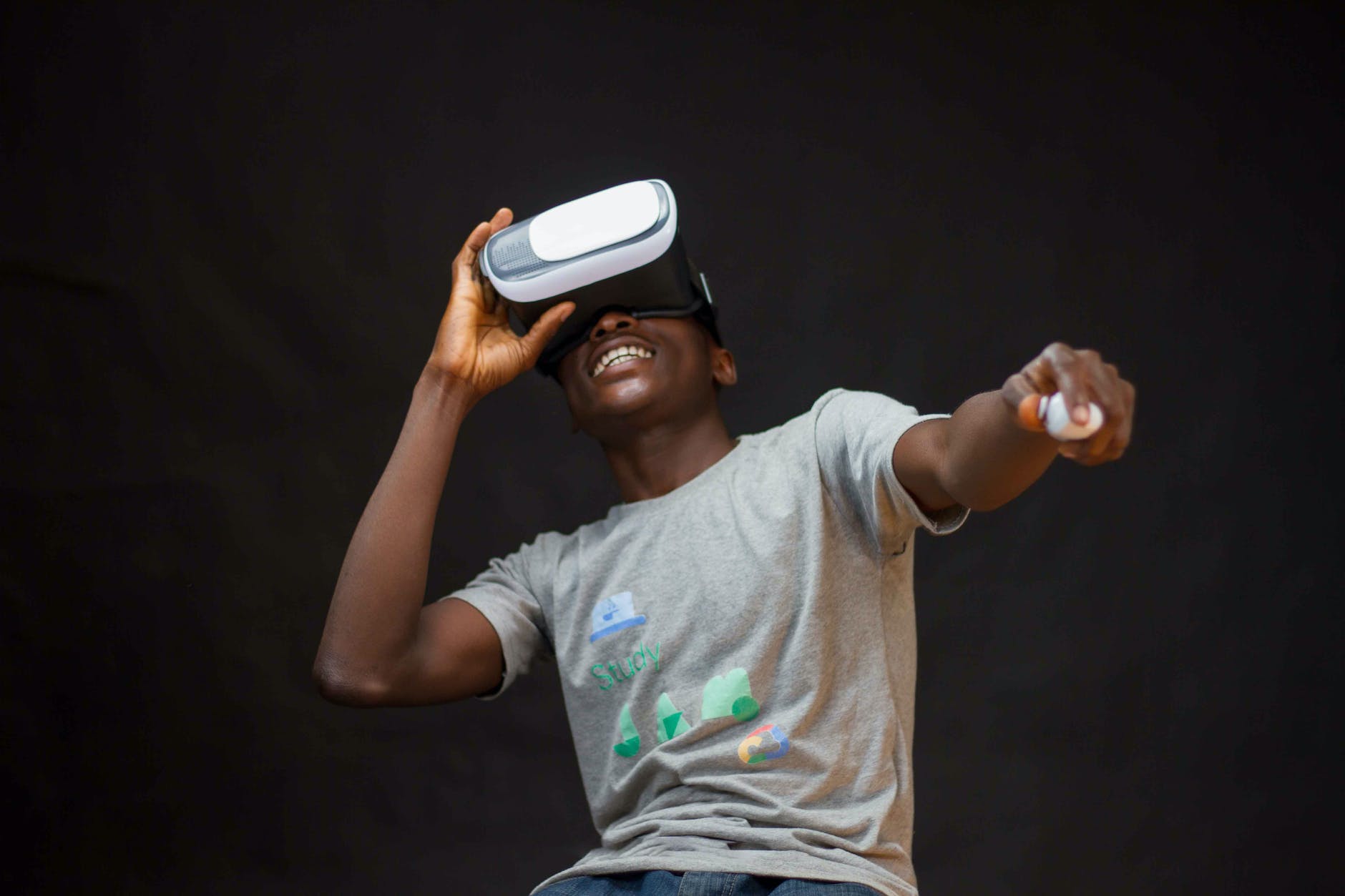
Apple insists that its $3,500 Vision Pro ski goggles, which officially debuted Friday, is not virtual reality but “spatial computing.”
One problem: No one agrees on the definition of spatial computing. Ask 10 people in technology and you might get 12 different answers.
What Apple calls a spatial computer, some technologists call “mixed reality” — or possibly “augmented reality,” “holographic computing,” “the metaverse” or “XR,” which some people say is shorthand for “extended reality.” Others say the letters don’t stand for anything.
What I hope this means: the headset or other device is interacting with the spaces and places around the user. It is not just layering on information on a view but affecting that environment as well. Perhaps the closest a definition in this articles gets to this comes in this quote:
Imagine wearing a lightweight, inexpensive pair of glasses and seeing digital walking directions in your field of vision that point where you turn left. Or imagine sharing a video of your kid’s birthday party that makes others feel like they were there.
If a headset or device could truly make you feel like you were in a setting, that’s cool. But, that is not quite what I envision as spatial computing. What makes places unique in sociological terms is not just the physical arrangements around someone but all of the meanings, symbols, and relationships intertwined with those material realities.

 Legally Sociable