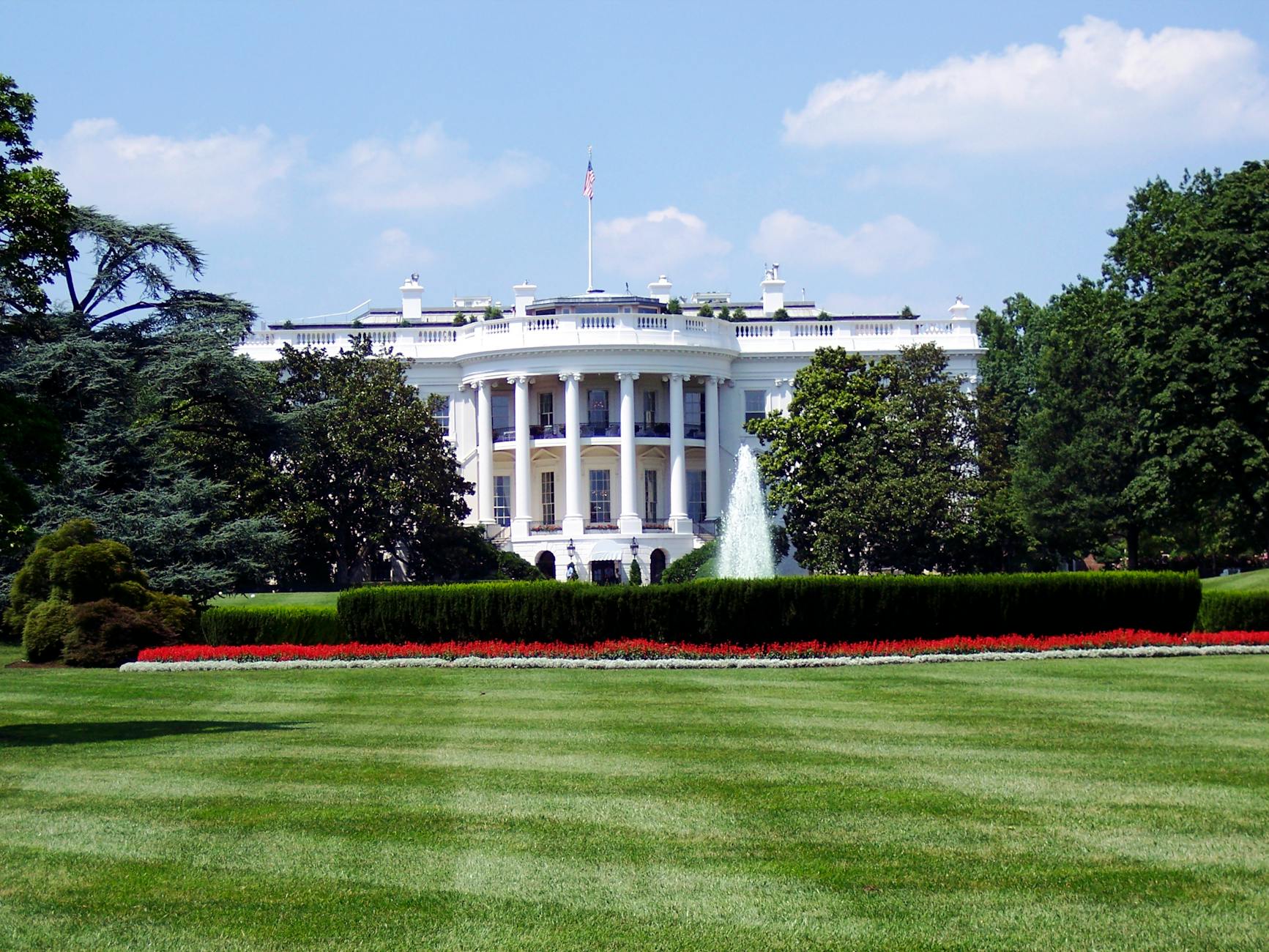
Even some of the most powerful leaders have to deal with infestations in their houses: the White House has vermin and the official house of the Australian prime minister has a problem with possums. First, the White House:
It is, of course, not the first time bugs or vermin have done battle with the humans who work in the 213-year-old building. Humans have not always prevailed easily – much to the deep frustration sometimes of the president of the United States. None was more frustrated than Jimmy Carter, who battled mice from the start of his administration. To his dismay, he found the bureaucracy unresponsive. GSA, responsible for inside the White House, insisted it had eliminated all “inside” mice and contended any new mice must have come from the outside, meaning, the New York Times reported at the time, they were “the responsibility of the Interior Department.” But Interior, wrote the Times, “demurred” because the mice were now inside the White House…
His fury was captured in his diary entry for Sept. 9, 1977. Carter that day summoned top officials from the White House, the Department of Interior and the GSA to the Oval Office to unload on them about the mice overrunning the executive offices – including the dead ones rotting away inside the walls of the Oval Office and giving his office a very unpleasant odor. “For two or three months now I’ve been telling them to get rid of the mice,” Carter wrote. “They still seem to be growing in numbers, and I am determined either to fire somebody or get the mice cleared out – or both.”
Now more scared for their jobs than at any possible reaction from humane groups, the bureaucracy responded. According to the Associated Press, daily battle updates were sent to the highest levels of the White House, complete with body counts and descriptions of the weapons being deployed. On Sept. 12 – three days after the meeting with Carter – GSA reported 48 spring traps in the White House, including five in the Oval Office and four in Carter’s study. Six more “Ketch All” traps were placed in the crawl space under the Oval Office. Peanut butter, bacon and cheese were the favored baits. By Sept. 13, the number of traps deployed in the West Wing was up to 114. On Sept. 15, the body count was up to 24. By Sept. 19, it was 30; then 38 by the end of the month…
Other presidents have had their own battles with White House vermin. First Lady Barbara Bush once was taking her daily swim in the pool on the South Lawn when she was joined by a rat that “did not look like a Walt Disney friend, I’ll tell you that.” She told reporters “it was enormous.” She credited her springer spaniel, Millie, and her husband, the president, with rescuing her and drowning the rat.
And in Australia:
Australia’s official prime ministerial residence, The Lodge, a 1920s colonial-style 40-room mansion in Canberra, was intended to be a temporary lodging until a permanent “monumental” residence was constructed. It is in a state of serious disrepair and has given successive leaders problems.
Former prime minister Julia Gillard once recalled an embarrassing dinner with a visiting foreign leader in 2012 which was interrupted by possum urine dribbling from the roof towards a valuable painting.
It sounds like these both of these houses have their own unique and tortured histories, leaving plenty of opportunities for nature to intrude on human politics. Frankly, I’m not sure most people would want to know how many critters are in and around their property. What exactly goes on around that foundation or within the walls? Perhaps this might be another selling point for passive houses: they are so sealed up that nature is effectively kept at bay.

 Legally Sociable