
Skyscrapers do not emerge only from private sector. The former World Trade Center in lower Manhattan is one example (with quotes below from pages 198-199 of Cities in the Sky by economist James Barr):
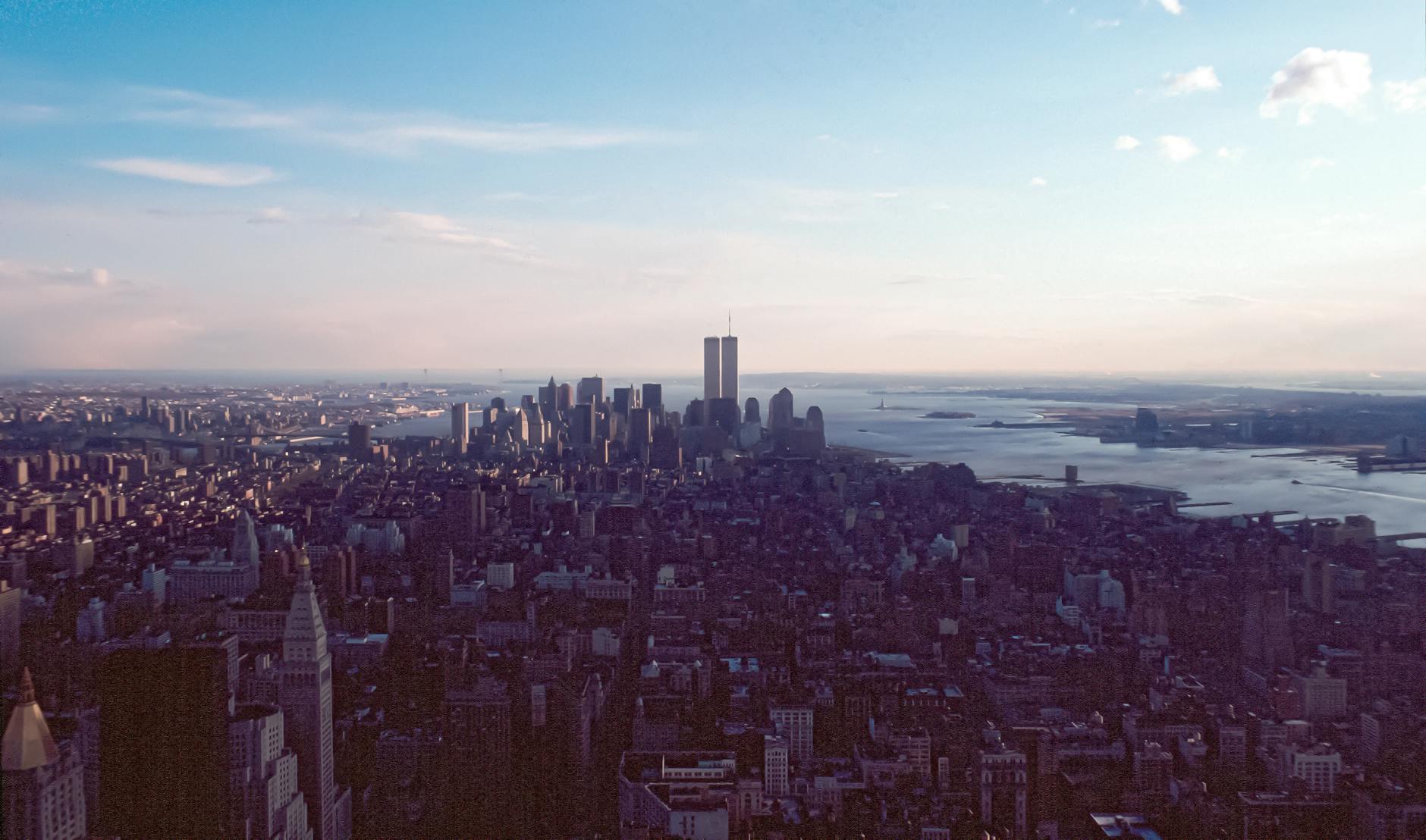
Despite the destruction on September 11, 2001, the legacy of the Twin Towers remains strong. it was the first time that an American government agency – or likely any government agency the world over – directly developed and managed supertall skyscrapers meant to compete with the private sector. Historically, governments built tall buildings for their own needs. City halls competed with houses of worship to be the tallest in each city. But here was a regional governmental entity producing building space to earn a profit.
More importantly, it showed, over time, that placemaking via record-breaking skyscrapers was a viable option for cities, as the Twin Towers became instant icons of the Manhattan skyline. Just as important was their economic success, which created a new model: Build a record breaker with state support. If need be, fill it up with government agencies (or state-owned businesses outside the United States), give it time for neighborhood growth to kick in, and reap the returns.
This model later spread:
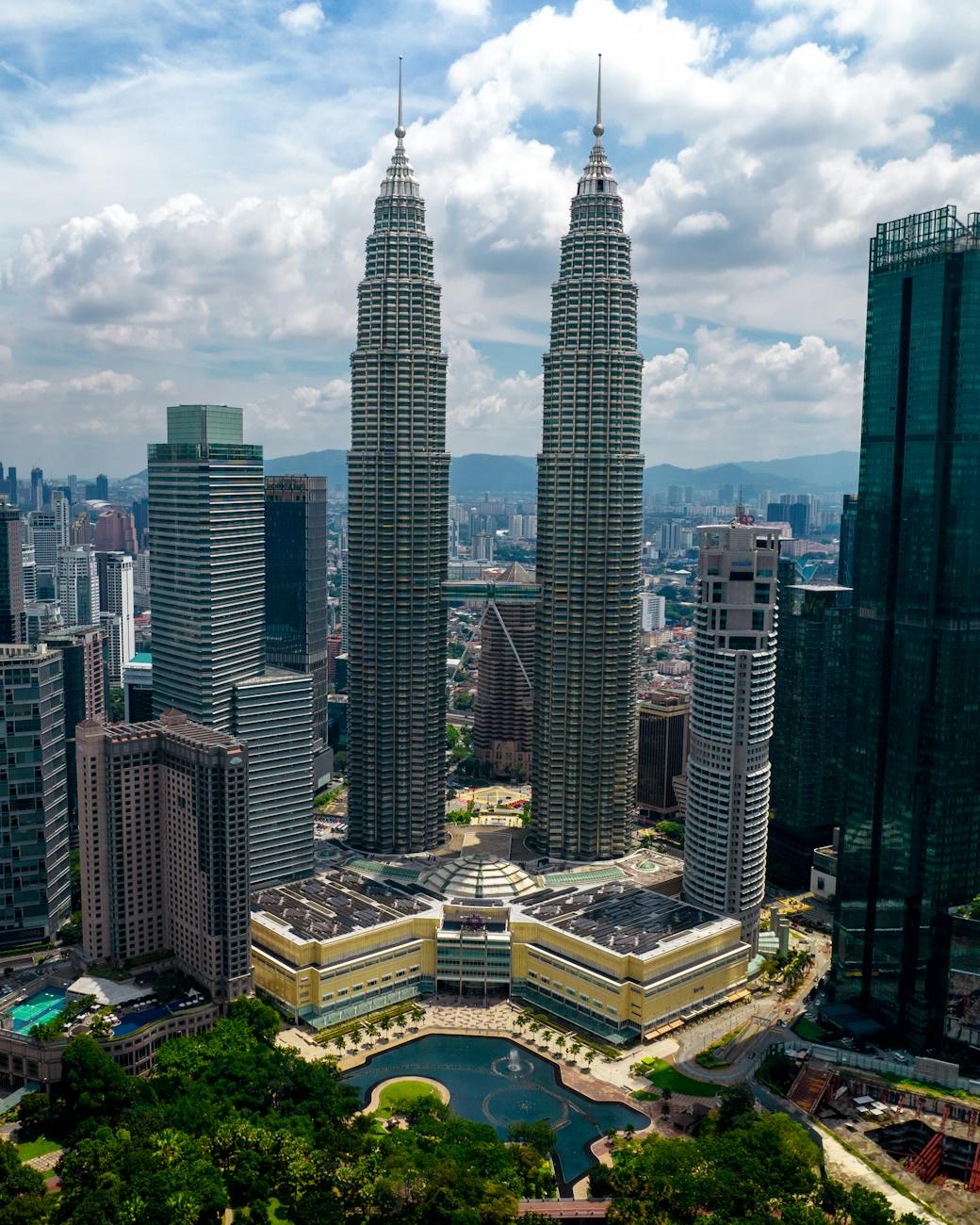
That it took till 1998 for this strategy to surface in Asia – starting with the Petronas Towers in Kuala Lumpur – was due to the time Asia needed to catch up with its economic development and infrastructure. That it wasn’t replicated in the United States after that was because by the end of the 1970s America’s era of big government-funded urban renewal projects was over, while in Asia government-funded projects were just beginning.
Might this happen again in the future in the United States? Leaders seem quite open to public-private partnerships when it is deemed necessary to boost development and growth.
 Legally Sociable