Quick review: best animal display I have ever seen is the whale shark tank at the Georgia Aquarium

I have now visited the Georgia Aquarium in Atlanta three times (first visit in 2010 reviewed here). Each time, I enjoy visiting the Ocean Voyager exhibit:

This picture comes from the viewing gallery at the end of the exhibit after visitors have already walked through a glass tunnel and looked through multiple windows into the exhibit. You can see a whale shark, two manta rays, and other species in the image above. Here is how the aquarium describes this:

Our Ocean Voyager gallery, built by The Home Depot, is home to whale sharks, manta rays and thousands of other fascinating fish. As one of the largest single aquatic exhibits in the world, Ocean Voyager features an acrylic tunnel for guests to view thousands of marine creatures on all sides, as well as a giant acrylic viewing window to explore our oceans like never before.

This exhibit was specially designed to house whale sharks, the largest fish species in the world. Schools of predatory trevally jacks, squadrons of small and large stingrays, enormous goliath grouper and several sharks all ply the waters of this ocean habitat. With 4,574 square feet of viewing windows, a 100-foot-long underwater tunnel, 185 tons of acrylic windows and one of the largest viewing windows in the world at 23 feet tall by 61 feet wide and 2 feet thick, visitors will have multiple opportunities to view all of these magnificent animals.

Zoos and aquariums can tend to offer visitors similar animals and exhibits. To create something truly unique in size and animals is a treat to behold. For good reason, there are always plenty of people sitting in front of this giant gallery wall trying to take it all in.
“Give me a [suburban] home, where the buffalo roam…”

The wildland urban interface often leads to stories about suburbanites encountering animals they might not expect. Recently in the Chicago region: a bison free in the northern suburbs.

One resident in Hawthorn Woods recently captured footage of a buffalo out and about, just walking around. Believe it or not, this isn’t the first time one has been spotted roaming the region.

Vince Clemens noticed the giant animal outside his home Friday, and his daughter, Michelle, captured video of the buffalo just minding its own business.

“I looked outside and saw the buffalo walking down the street,” Vince Clemens told NBC 5. “[She] broke free from a farm months ago, and is no stranger to people in the Northwest Suburbs…”

The wayward animal’s identity hasn’t been confirmed, but some wonder if its “Tyson the Bison.” Tyson escaped last September while being unloaded at her new home at a farm in unincorporated Wauconda.

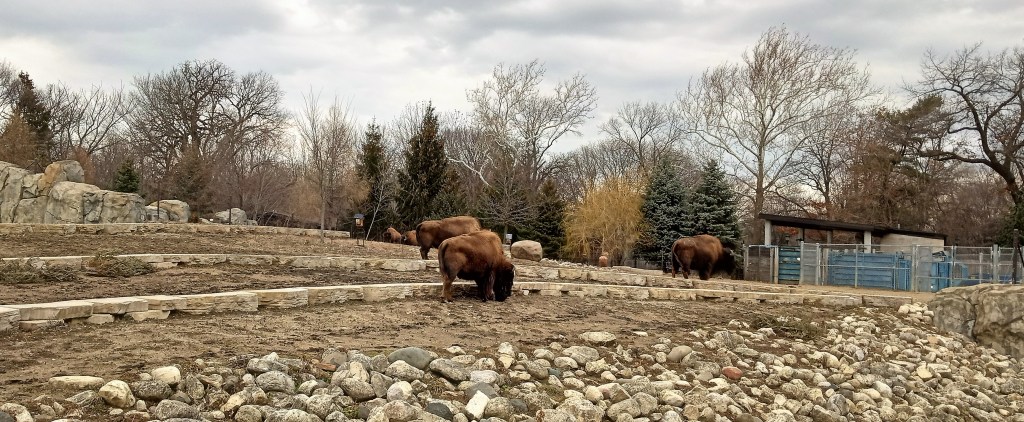
More Americans may be much more familiar with seeing bison in captivity, such as in the zoo as in the picture above. They do not expect them to wander through suburban yards.

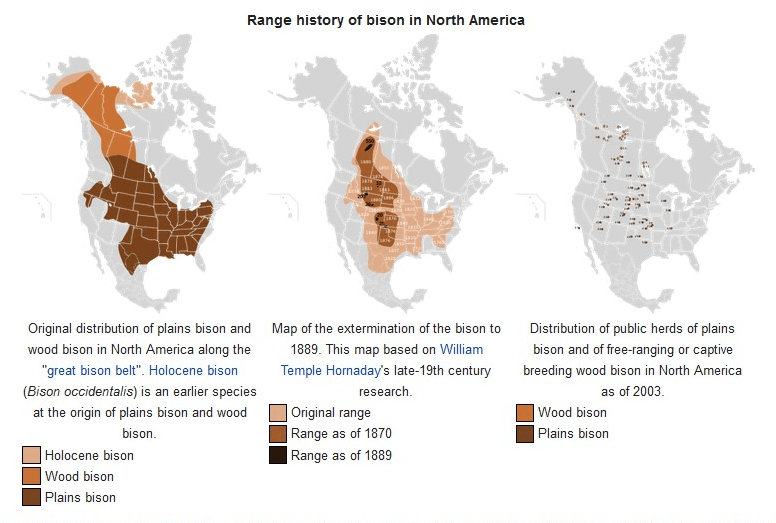
However, bison were regulars in the Chicago region prior to settlement by white Europeans. See these maps from Wikipedia (and the zoo has a similar map):

While bison will not be roaming the suburbs in large numbers anytime soon, suburbanites seem consistently surprised by coyotes and other animals that do not fit their suburban experiences or images. Yet, as the suburbs continue to mature – the Chicago area suburbs are over 150 years old – and nature continues to adapt, the suburban flora and fauna will change.

Quick Review: The Cove

On the surface, The Cove is not a typical film that I would watch: a documentary about nature. But I found The Cove to be engaging. A few thoughts about this award-winning 2008 documentary:

1. The story follows the actions of Richard O’Barry as he tries to expose the slaughter of dolphins in a protected cove in Taiji, Japan. O’Barry’s backstory is very interesting: he was the trainer for Flipper but immediately switched sides to protect dolphins after one of the show’s dolphins died (he says she committed suicide) in his arms. O’Barry assembles a team of people to help expose what is going on in Taiji as some in that community attempt to stop him. To me, O’Barry is the heart of this film – his decision and actions to try to save dolphins shows remarkable dedication and stubbornness in the face of difficult odds.

2. It is hard not to like dolphins: they are intelligent and are graceful. But O’Barry suggests one part of their appearance that may work against them: they appear to humans to always be smiling and this masks the times when they are in pain or are suffering.

3. Why do whales and dolphins get all of this attention, both in this film and from zoo or aquarium attendees? There are plenty of animals that are mistreated and locked up. There has to be an interesting social history here.

4. One of the side plots in this film is Japan’s role in the International Whaling Commission. This international body has difficulty stopping Japan from doing anything. Again, this could be a whole story or film in itself: how Japan skirts international law and advisories to conduct whaling activities.

5. One strong point of this documentary is that O’Barry’s team actually attempts to do something (and it is set up like the plot of some action film) as opposed to documentaries where people talk the whole time and viewers are shown statistics.

Overall, I enjoyed this film: the fight against what happens in Taiji, Japan makes for an interesting tale.

(This film was highly rated by critics: it is 96% fresh at RottenTomates.com with 116 fresh reviews out of 121 total.)