
The Sun Belt has boomed in population and some cannot seem to figure out why. A historian explores the appeal of Phoenix:
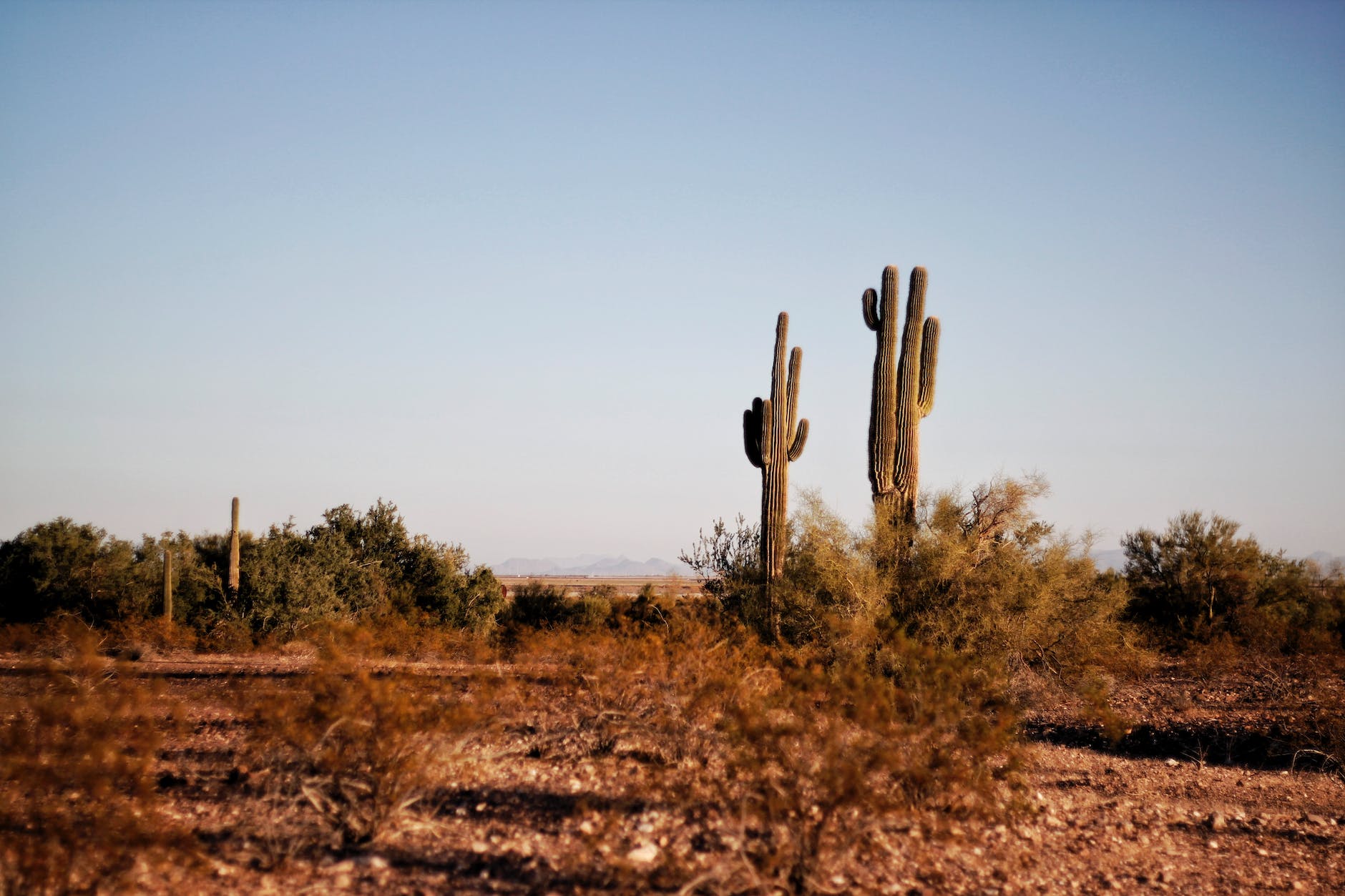
“Why would anyone live in Phoenix?” You might ask that question to the many hundreds of thousands of new residents who have made the Arizona metropolis America’s fastest-growing city. Last year, Maricopa County, where Phoenix sits, gained more residents than any other county in the United States—just as it did in 2021, 2019, 2018, and 2017.
At its core, the question makes a mystery of something that isn’t a mystery at all. For many people, living in Phoenix makes perfect sense. Pleasant temperatures most of the year, relatively inexpensive housing, and a steady increase in economic opportunities have drawn people for 80 years, turning the city from a small desert outpost of 65,000 into a sprawling metro area of more than 5 million. Along the way, a series of innovations has made the heat seem like a temporary inconvenience rather than an existential threat for many residents. Perhaps not even a heat wave like this one will change anything…
Outside the summer months, the quality of life in Phoenix is really quite high—a fact that city boosters have promoted stretching back to before World War II. They traded the desiccated “Salt River Valley” for the welcoming “Valley of the Sun.” Efforts to downplay the dangers of Phoenix’s climate go back even further. In 1895, when Phoenix was home to a few thousand people, a local newspaper reported that it had been proved “by figures and facts” that the heat is “all a joke,” because the “sensible temperature” that people experienced was far less severe than what the thermometers recorded. “But it’s a dry heat” has a long history, one in which generations of prospective newcomers have been taught to perceive Phoenix’s climate as more beneficial than oppressive.
Most people surely move to Phoenix not because of the weather, but because of the housing. The Valley of the Sun’s ongoing commitment to new housing development continues to keep housing prices well below those of neighboring California, drawing many emigrants priced out of the Golden State. Subdivisions have popped up in irrigated farm fields seemingly overnight. In 1955, as the home builder John F. Long was constructing Maryvale, then on Phoenix’s western edge, he quickly turned a cantaloupe farm into seven model homes. Five years later, more than 22,000 people lived in the neighborhood; now more than 200,000 do. Even today, the speed of construction can create confusion, as residents puzzle over the location of Heartland Ranch or Copper Falls or other new subdivisions that include most of the 250,000 homes built since 2010…
“Why would anyone live in Phoenix?” serves as nothing more than a defensive mechanism. It makes peculiar the choices that huge numbers of Americans have made, often under economic duress—choices to move to the warm climates of the Sun Belt, to move where housing is affordable, to ignore where energy comes from and the inequalities it creates, and, above all, to downplay the threats of climate change. In that way, Phoenix isn’t the exception. It’s the norm.
Another way to put this: Phoenix and similar places embody the suburban boom in the United States. They offer cheap homes away from more established settlements in the United States. Sure, it involves a lot of driving, hot weather, and uses many resources but it appears to offer a pathway to comfort and convenience.
At some point, such growth may not be possible. For example, water supplies might not hold up. Or, Americans might decide a car-dependent life is no longer as desirable.
Another big factor that might slow growth is rising housing prices. If cheaper housing is indeed driving many people to Phoenix, more expensive housing might send people elsewhere. Phoenix is not the cheapest market people could go to. Right now it is popular and growing but this does not necessarily have to last.
 Legally Sociable