
Ongoing concerns from residents about a possible second waste transfer station in the suburb of West Chicago highlights the issue of which suburbanites live further from or closer to undesirable land uses:
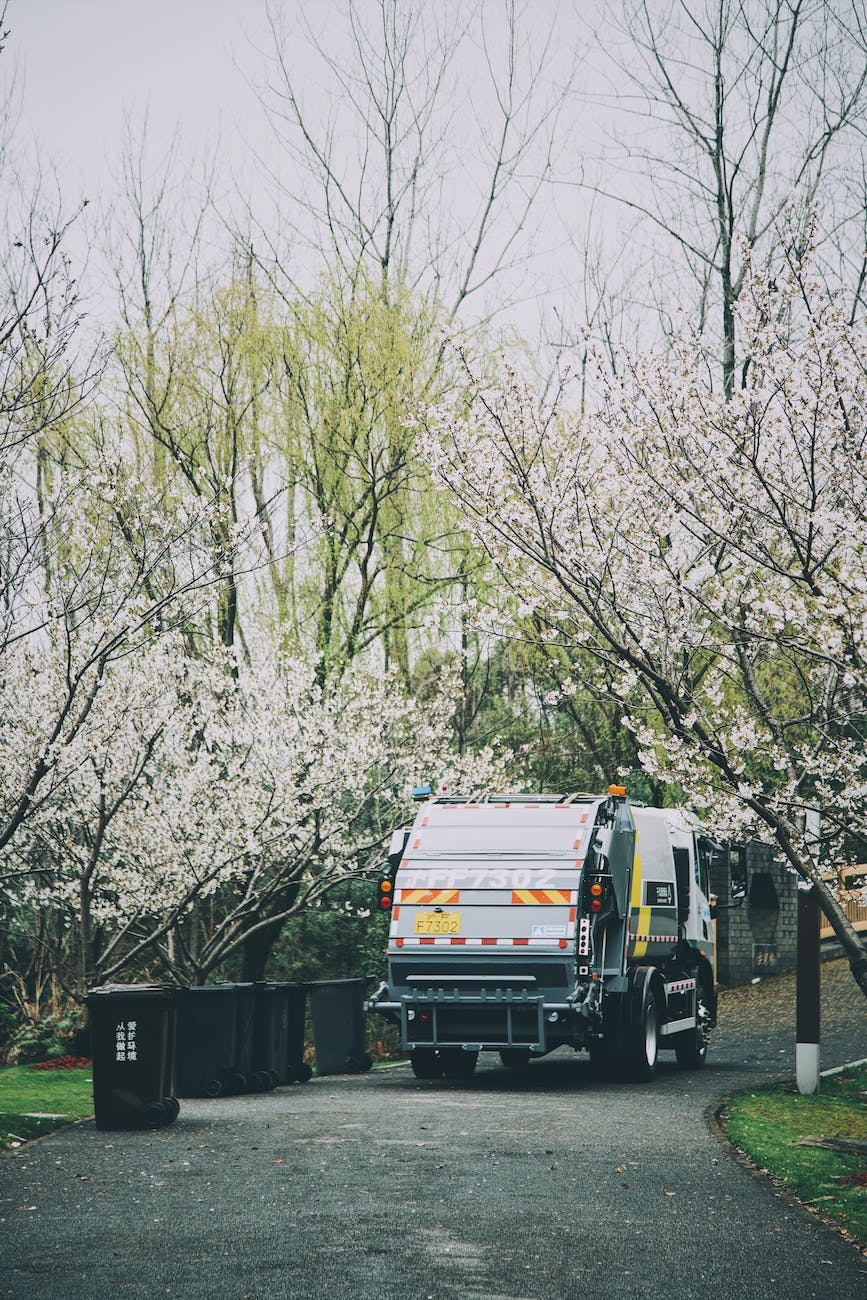
West Chicago is home to the county’s only garbage-transfer station — an in-between location before waste is hauled to a landfill. Earlier this year, city officials gave the green light to add a second facility that would be run by trash hauler LRS and bring 650 tons of solid waste a day and air pollution from hundreds of large garbage and semi-trailer trucks weekly to the city of 25,000…
On Thursday, lawyers for Alcántar-Garcia will argue to state officials that the trash facility should be blocked.
The Illinois Pollution Control Board has the final say in the matter, and a panel of Gov. J.B. Pritzker’s appointees will be asked to decide whether the city of West Chicago met all the criteria to determine that the new garbage site will not harm the health of nearby residents. That final decision is expected early next year.
West Chicago is around half Latino, and that raises questions for Alcántar-Garcia’s legal team as to why it is the only DuPage County community targeted for two of these waste sites. Other municipalities, including those that are largely white and affluent, would benefit.
Perhaps a thought experiment might shed some light on this problem. Imagine a metropolitan region where land uses were randomly distributed. The land uses suburbanites tend not to like, those that generate noise, traffic, and are perceived to threaten property values are randomly placed. Airports, garbage facilities, apartments, drug treatment facilities, railroad tracks, warehouses, and more are spread out. What would happen?
Assuming this is a blank landscape beyond these land uses, where would development pop up? Those with resources and influence might just happen to live and congregate in places away from those land uses. If locations are at least in part determined by the ability to purchase and develop land, those with more resources can better compete for desirable land. And those with fewer options might live closer to those less desirable land uses.
Of course, we do not have random metropolitan landscapes or centralized bodies that could make wise choices about where less desirable but necessary land uses should go. Instead, we have ongoing patterns by race, social class, and durable local history that help guide land uses to certain locations and not others.
 Legally Sociable
Pingback: Addiction treatment center sign goes up but lawsuit with suburb continues | Legally Sociable
Pingback: DuPage County the first Illinois county to adopt zoning | Legally Sociable