
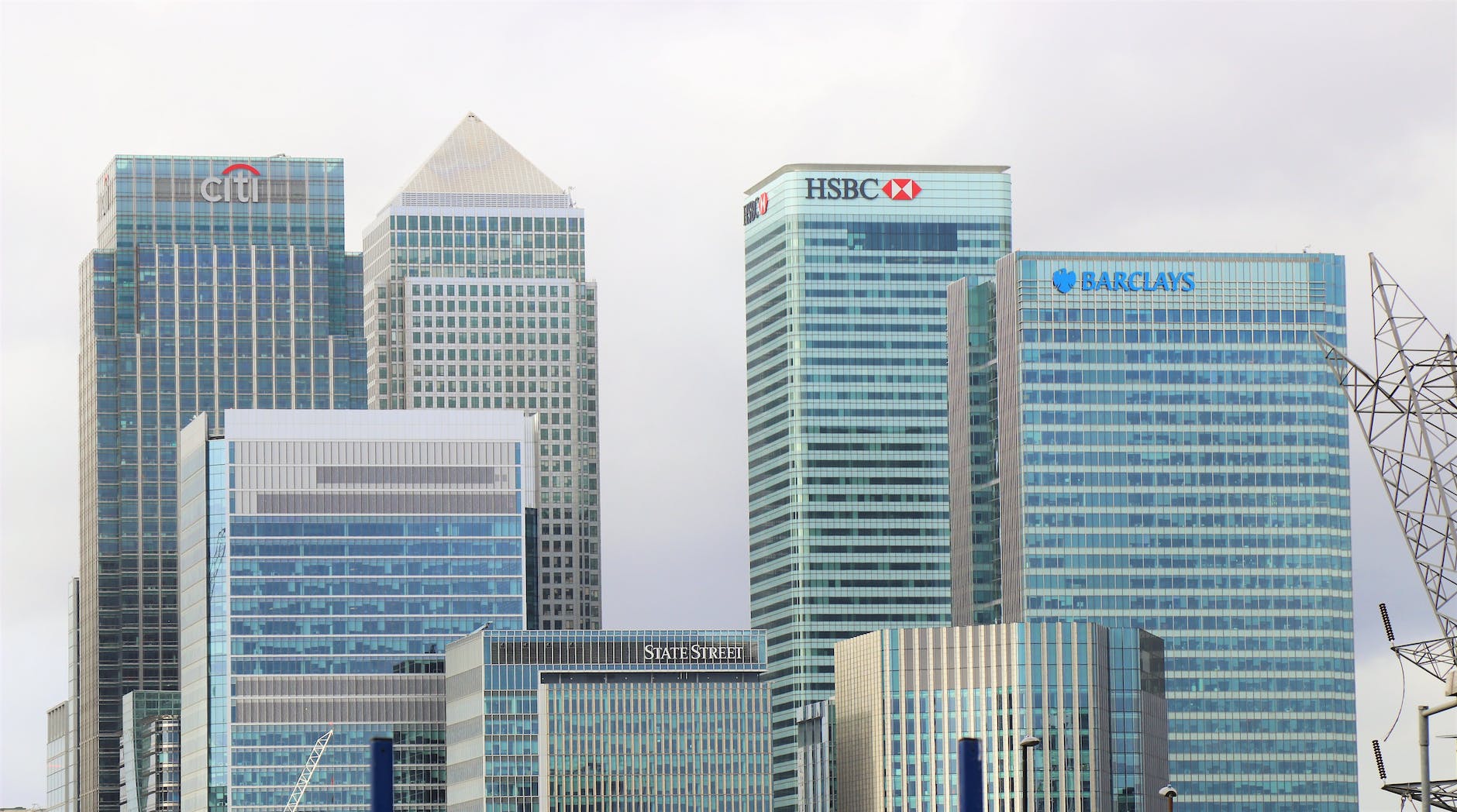
So if COVID isn’t to blame for all the shuttered stores, what is? Well, when a landlord doesn’t lower the rent to get a new retail tenant, it’s because that landlord can’t. The market that sets retail rents isn’t only between tenants and landlords. It’s also between landlords and the banks that finance the buildings. And the banks, in many cases, won’t let property owners lower their rents enough to fill their properties. The pandemic may have emptied out America’s storefronts, but it’s banks that are keeping them that way…
So if you’re trying to lower the rent on your retail space, your bank may say no. And even if it says yes, it might demand you pay off a chunk of the mortgage up front, to account for the way you’re lowering the building’s value by lowering its rental income. In short, reducing the rent on your storefront might land you a tenant — but it could cost you big-time with your bank.
Of course, nothing is forcing banks to be all hard-assed about it. They’re free to renegotiate or refinance the terms of mortgages, given the extraordinary downturn facing retail storefronts. In some cases, according to real-estate brokers I spoke with, banks have apparently decided not to stand in the way of landlords in San Francisco who are offering shorter-term leases and lowering retail rents anywhere from 20% to 50%. One popular restaurant space in the city’s tech-heavy South of Market neighborhood that has been dark since 2020 is finally set to reopen this year as a bar and “entertainment concept” — but only because the landlord is offering the new tenant a below-market rate and improvements to the space…
You’d think everyone involved would be motivated to fill an empty storefront — landlords aren’t making money, cities aren’t getting taxes, and the neighborhood has an eyesore. But that eyesore may actually still be profitable to the landlord and the banks. “In SoHo, something vacant isn’t necessarily vacant,” says Ortiz. “Someone’s paying rent there, and the landlord’s perfectly fine with it. It’s a vacancy to the pedestrian, but not to the landlord.”
Vacant properties can create all sorts of problems for communities. The focus on this story is on city properties but vacant properties are issues in suburbs as well. As the story suggests at the end, encouraging properties to be vacant for shorter periods of time and/or for banks to be more flexible might require some creativity.
I wonder if there is more third party actors – not the lender or the current lease holder – could do to provide solutions. Are there certain land uses that could be more temporary but fill vacant spaces? Are there agreements to be made between lenders and a tenant to make something of the property without t being a fully functioning property?
Could communities also more directly pressure lenders about vacant properties? Perhaps this happens more behind the scenes but imagine a community group organizes around asking a specific lender about a particular property in the neighborhood. They make some noise, make the lender public, ask for changes.
 Legally Sociable
Pingback: Dead shopping malls and empty sound stages | Legally Sociable