
More religious people in cities are moving to suburbs:
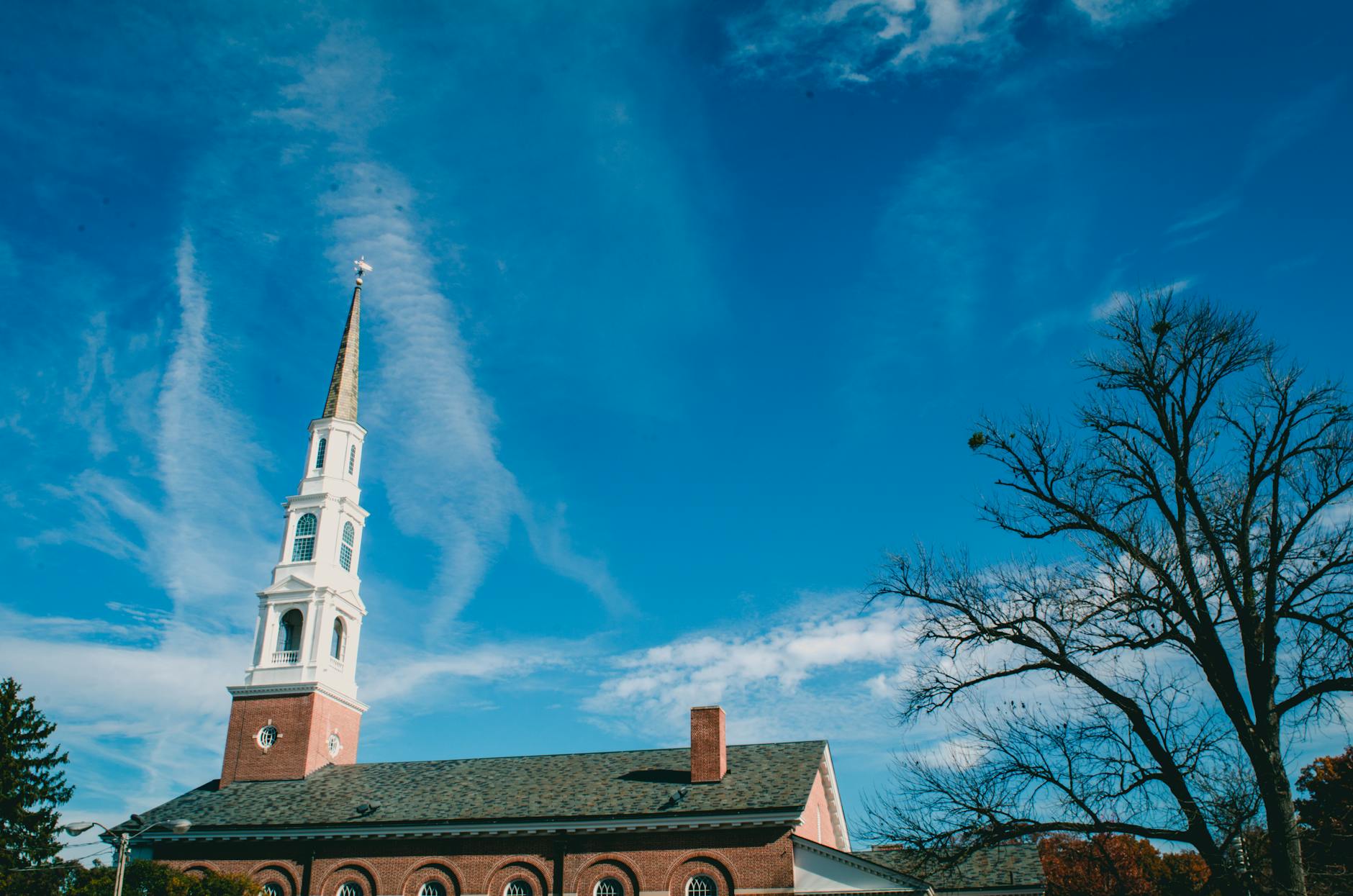
Researchers interviewed by The Times said rising costs, rampant crime and changing racial demographics have made it harder to sustain worship spaces in large cities…
As more urban neighborhoods become secularized, demographers say religious families increasingly prefer to settle in suburban enclaves up to 20 miles outside of city centers…
“Over the last 10 years, the 100 fastest-growing churches in America are primarily in the growing inner and outer ring suburbs of major cities,” said Ryan Burge, an Eastern Illinois University political scientist and religious demographer. “They’re almost always non-denominational Christian churches near cities like Charlotte, Charleston and Atlanta. They are the fastest because that’s where people are moving.”…
In New Orleans and several Midwest and Northeast cities, gentrification has pushed more Black Christians into the suburbs than other groups…
Rather than start in the city and expand to the suburbs, most new churches now move in the opposite direction. For example, Elevation Church in Matthews, North Carolina, started 12 miles southeast of downtown Charlotte. It later planted a satellite church in the city center.
In some ways, these are continuations of existing trends. The United States is a majority suburban country and more people have lived in suburbs than cities since the 1960s. White flight from cities included congregations. Increasing racial and ethnic diversity in suburbs has occurred alongside increasing religious diversity in suburbs.
On the other hand, these could include new and different patterns:
-Which churches are closing and which religious groups are moving to the suburbs. If it was largely white congregations in the postwar era, it now includes more groups.
-The number of congregations closing. Are there now more closing than decades before?
-The relative power and influence of suburban megachurches compared to the past. If congregational influence decades ago tended to reside in older, urban congregations, this may have shifted today.
-Are cities more secular than they were in the past? Significant percentages of urban residents are religious and cities contain numerous religious congregations and organizations. Or, has the perception of cities and religion changed?
I suspect there is more to say on the connection between religion and suburbs.
 Legally Sociable