
Finding new uses for two historic Chicago buildings slated for demolition led to an interesting proposal. First, the status of the buildings:
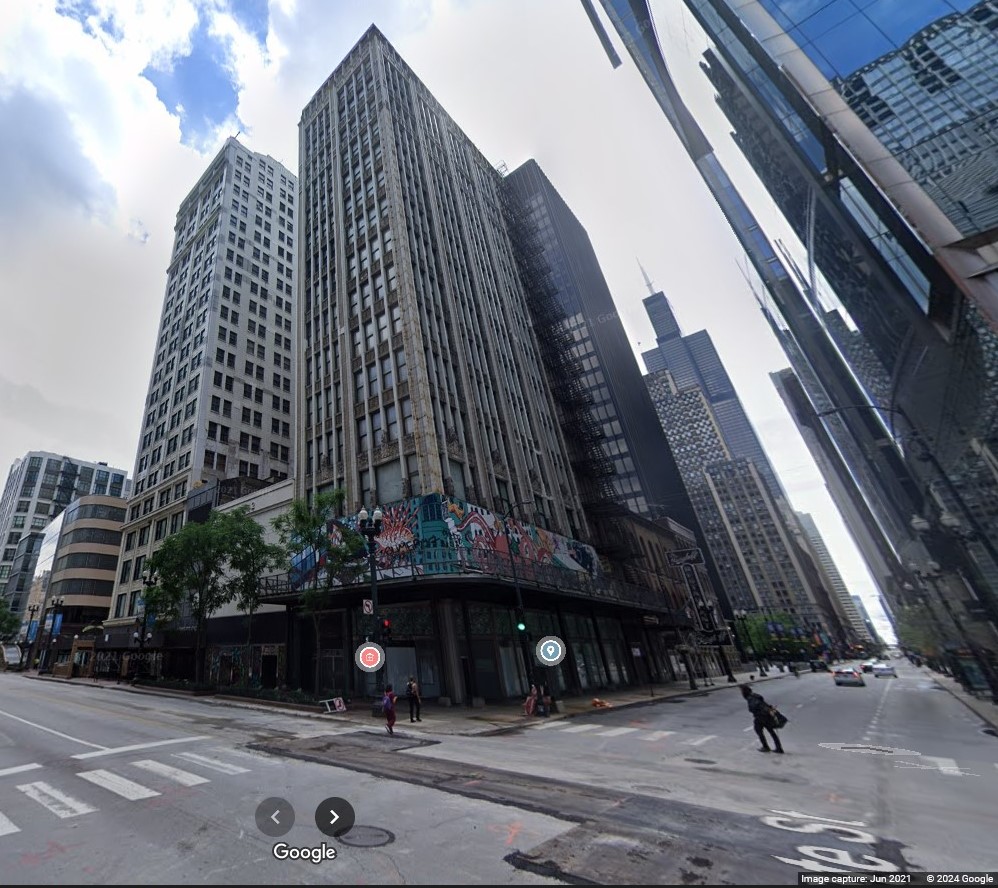
The U.S. General Services Administration released its final environmental impact report for the Century and Consumers buildings at 202 S. State St. and 220 S. State St., and also a smaller building between them, at 214 S. State St., ultimately choosing to reuse the vacant buildings rather than demolish them.
In 2022, Congress earmarked $52 million for the demolition of the buildings, with the federal government, which owns the buildings, arguing the buildings pose a security risk to the U.S. courts. The buildings back up against the Dirksen Federal Building on Dearborn Street.
Second, here is a proposed use for the buildings:
Preservation Chicago at one point had lined up 20 religious orders, including Dominican University in River Forest, that are interested in converting the Century and Consumers buildings, 202 and 220 S. State St., into the proposed Chicago Collaborative Archive Center.
Museums and other non-religious entities could have space there also, said Preservation Chicago Executive Director Ward Miller.
Those advocating to save them in this manner also argue that archival storage would minimize any security threat and allow windows facing the federal building to be sealed off.
“A collaborative archive of this proposed size is rare in the country,” Christopher Allison, a historian and director of the McGreal Center at Dominican University in River Forest had said in 2022. “It would become a major hub for archive-based research and would consolidate precious sources in one space.”
While some might see the potential for real estate redevelopment on prime Loop property or hold security concerns, having spent some time in smaller archives, this sounds like a win for archives and researchers. I can imagine some benefits of taking multiple smaller archives and putting them in one place. Efficiencies in storage and staffing. The ability to connect archival items and ideas in one place. Ease for researchers looking for material on related topics and in different collections. The possibilities of expanding collections with combined powers and status.
Plus, do archives and older buildings go well together? Archives can of course be newer settings and spaces designed for the task. Buildings designed specifically for archives could provide particular advantages. Yet, given the interest in some places in historic preservation and efforts to help people know and understand the past in archives, does putting them together regularly enhance the ethos of both?
 Legally Sociable