Archival cataloguing that revealed a rare first print of the Declaration of Independence

A volunteer in Britain made an exciting find last year that was just revealed:

Photo by Mingyang LIU on Pexels.com

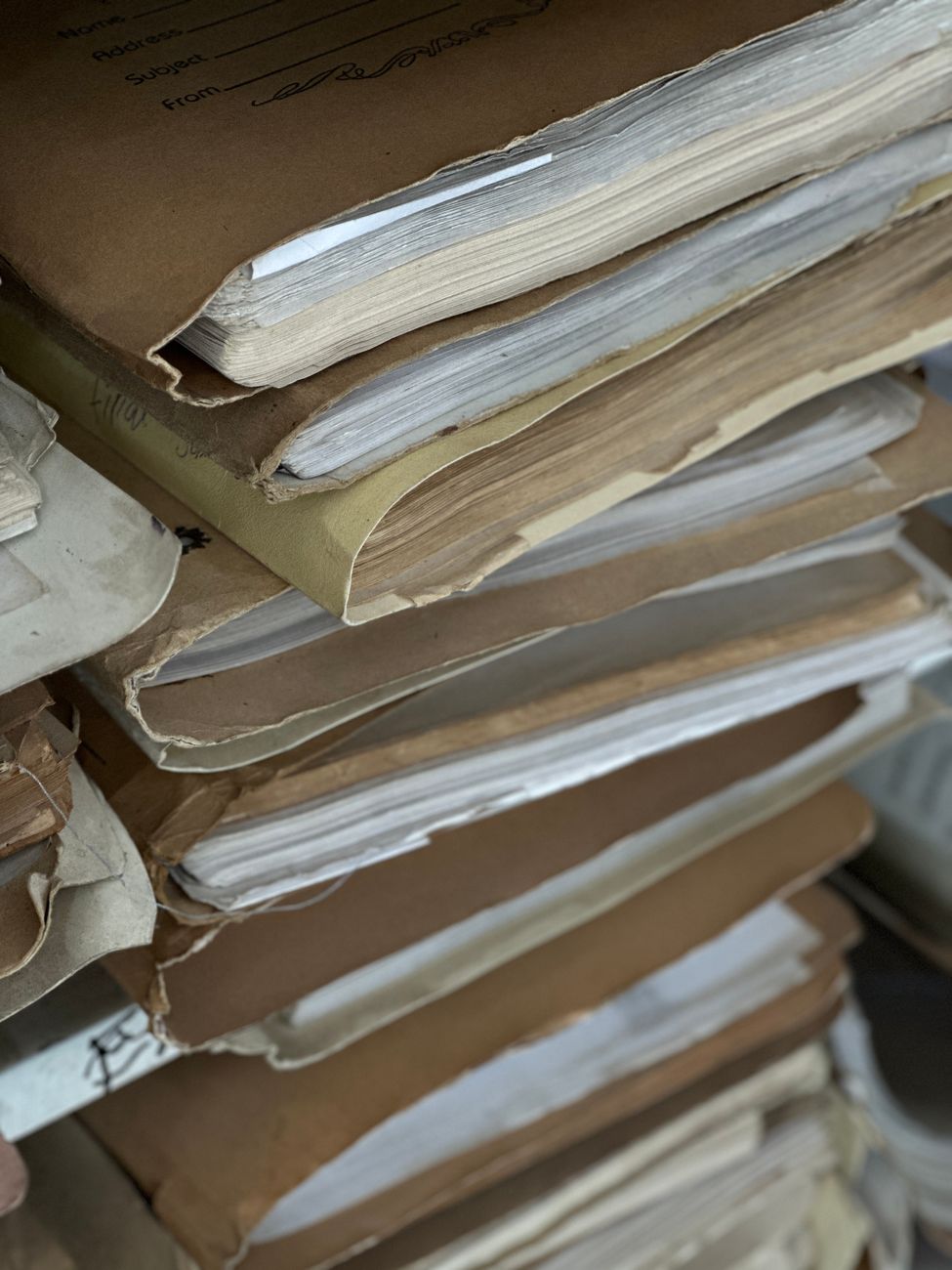
Michael Scurr has been volunteering at Britain’s National Archives for the last 11 years, spending his Thursday mornings painstakingly cataloging documents for the benefit of future researchers.

Then one day last May the retired insurance executive made a discovery of his own while sifting through the letters of an 18th-century Royal Navy captain.

There, attached to a report on the capture of the American privateer Dalton on Christmas Eve 1776, was an enclosure identified only as “another paper.” Carefully unfolding the document, Scurr stopped when he saw the word “Declaration” printed across the top…

Researchers at the National Archives have since identified the document as a rare early copy of America’s founding document, printed just days after the original was signed on July 4, 1776, to spread the news that 13 rebellious North American colonies had severed ties with Britain.

It is one of just 11 original copies of the so-called Exeter printing of the declaration that are known to exist, and the only one identified outside the United States, the National Archives said on Thursday as it unveiled the find ahead of this weekend’s 250th anniversary of American independence. This version was printed in Exeter, New Hampshire, July 16 to 19, 1776.

I have benefited greatly from researching in several archives. Materials are catalogued at various levels of detail, perhaps just having a title on a box or folders that point to a theme or a person or a time period. And even with more detail, it is still fun – and sometimes dull – to go through what is available to see what is really there.

I cannot imagine what it would feel like to discover such a rare document. I use another example of an unexpected find in teaching about doing archival research. Such finds can help clarify historical narratives or reveal new narratives. With this find last year in England, I imagine it can help us better understand how news of the Declaration spread. With revolutionary activity before the document was signed and announced as well as after, how did the news spread and what exactly did that lead to? The date of July 4th may seem obvious now but it would have taken days for people to learn what had happened and respond.

Creating collaborative archives in historic skyscrapers

Finding new uses for two historic Chicago buildings slated for demolition led to an interesting proposal. First, the status of the buildings:

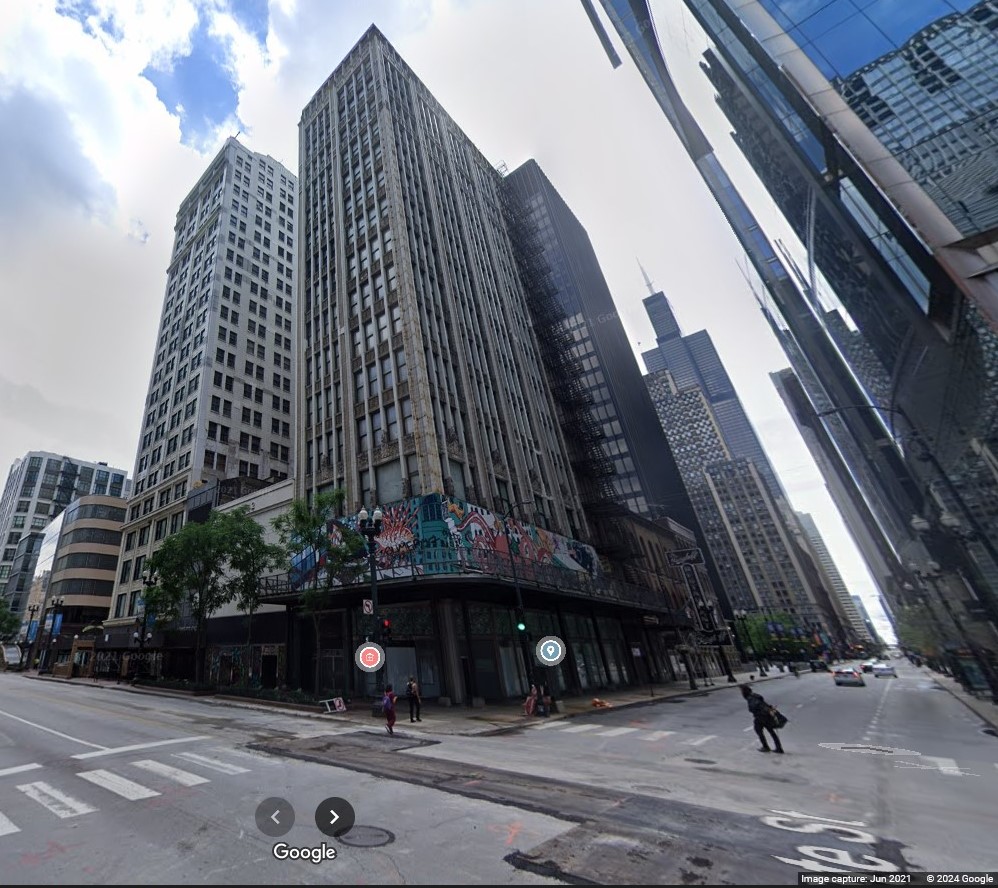
Image from June 2021, Google Street View

The U.S. General Services Administration released its final environmental impact report for the Century and Consumers buildings at 202 S. State St. and 220 S. State St., and also a smaller building between them, at 214 S. State St., ultimately choosing to reuse the vacant buildings rather than demolish them.

In 2022, Congress earmarked $52 million for the demolition of the buildings, with the federal government, which owns the buildings, arguing the buildings pose a security risk to the U.S. courts. The buildings back up against the Dirksen Federal Building on Dearborn Street.

Second, here is a proposed use for the buildings:

Preservation Chicago at one point had lined up 20 religious orders, including Dominican University in River Forest, that are interested in converting the Century and Consumers buildings, 202 and 220 S. State St., into the proposed Chicago Collaborative Archive Center.

Museums and other non-religious entities could have space there also, said Preservation Chicago Executive Director Ward Miller.

Those advocating to save them in this manner also argue that archival storage would minimize any security threat and allow windows facing the federal building to be sealed off.

“A collaborative archive of this proposed size is rare in the country,” Christopher Allison, a historian and director of the McGreal Center at Dominican University in River Forest had said in 2022. “It would become a major hub for archive-based research and would consolidate precious sources in one space.”

While some might see the potential for real estate redevelopment on prime Loop property or hold security concerns, having spent some time in smaller archives, this sounds like a win for archives and researchers. I can imagine some benefits of taking multiple smaller archives and putting them in one place. Efficiencies in storage and staffing. The ability to connect archival items and ideas in one place. Ease for researchers looking for material on related topics and in different collections. The possibilities of expanding collections with combined powers and status.

Plus, do archives and older buildings go well together? Archives can of course be newer settings and spaces designed for the task. Buildings designed specifically for archives could provide particular advantages. Yet, given the interest in some places in historic preservation and efforts to help people know and understand the past in archives, does putting them together regularly enhance the ethos of both?

How the Library of Congress will archive and make available all tweets

The Library of Congress announced a few years ago they will archive all tweets. Here is how they plan to store the data and make it available:

Osterberg says the costs associated with the project, in terms of developing the infrastructure to house the tweets, is in the low tens of thousands of dollars. The tweets were offered as a free gift from Twitter, and are being transferred to the Library through a separate company, Gnip, at no cost. Each day tweets are automatically pulled in from Gnip, organized chronologically and scanned to ensure they’re not corrupted. Then the data are stored on two separate tapes which are housed in different parts of the Library for security reasons.

The Library has mostly figured out how to make the archive organized, but usability remains a challenge. A simple query of just the 2006-2010 tweets currently takes about 24 hours. Increasing search speeds to a reasonable level would require purchasing hundreds of servers, which the Library says is financially unfeasible right now. There’s no timetable for when the tweets might become accessible to researchers…

While you can’t yet make a trip to Washington D.C. and have casual perusal of all the world’s tweets, the technology to do exactly that is readily available—for a cost. Gnip, the organization feeding the tweets to the Library, is a social media data company that has exclusive access to the Twitter “firehose,” the never-ending, comprehensive stream of all of our tweets. Companies such as IBM pay for Gnip’s services, which also include access to posts from other social networks like Facebook and Tumblr. The company also works with academics and public policy experts, the type of people likely to make use of a free, government-sponsored Twitter archive when it comes to fruition…

All the researchers agree that Twitter is a powerful tool for sociological study. Soon, if the Library of Congress can make its database fully functional, it’ll also be an easily accessible one. And one day, long after we’ve all sent our final snarky tweet, our messages will live on.

And what will people of the future think when they read all these tweets?

While this could be a really interesting data source (notwithstanding all of the sample selection issues), I find it odd there is no timetable for when it might be more easily searchable. What is the point of collecting all of this information if it can’t be put to use?