
Vehicles on American roads have gotten bigger over the years. This has various effects:
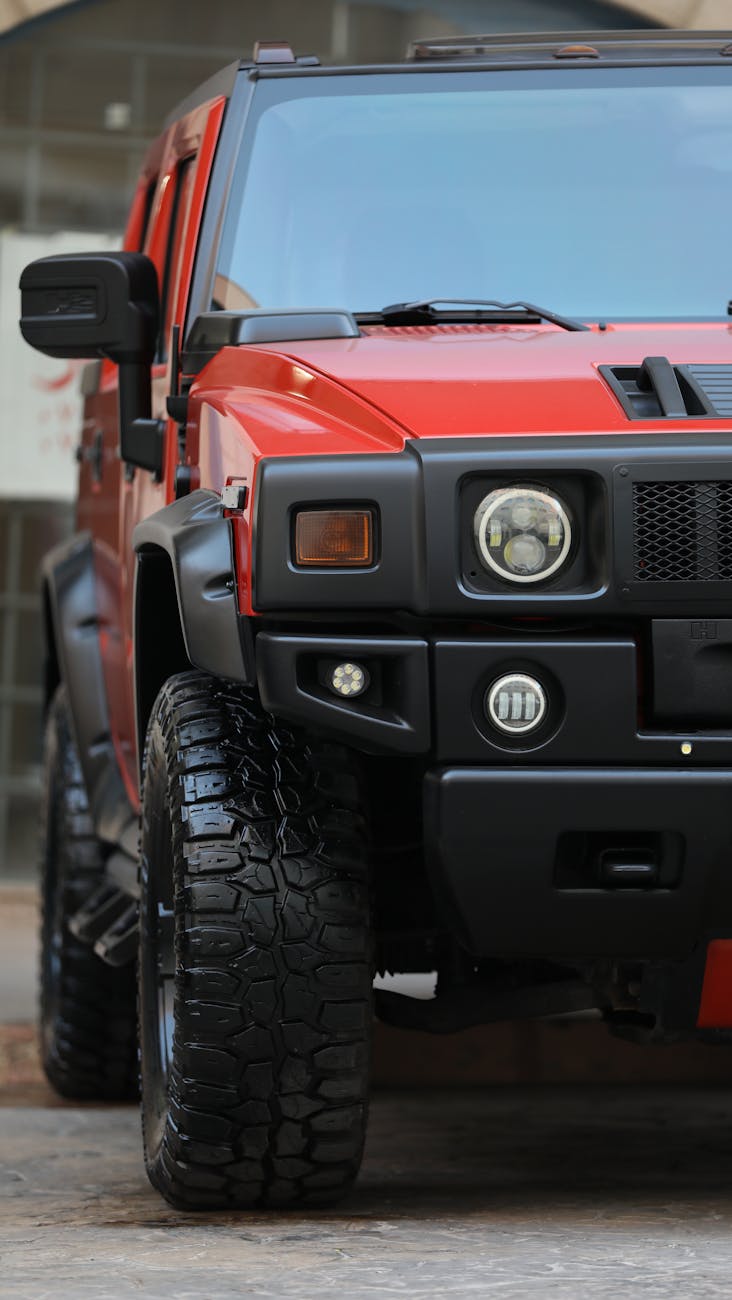
I use the term car bloat to describe the ongoing expansion of vehicle models over the past 50 years. Although car bloat is a global trend, it is especially pronounced in the United States, where sedans and station wagons have been largely replaced by the SUVs and pickups that now account for about 4 in 5 new car purchases. At the same time, individual models have grown heftier. A 2024 Chevrolet Silverado pickup, for instance, is around 700 pounds heavier and 2 inches taller than the 1995 edition. According to federal data, the average new American car now weighs around 30 percent more than it did 40 years ago.
Car bloat creates numerous costs that are borne by society rather than the purchaser, or “negative externalities,” as economists call them. These include increased emissions, faster road wear, and reduced curbside parking capacity. But car bloat’s most obvious and urgent downside may be the danger it presents to anyone on the street who isn’t cocooned inside a gigantic vehicle.
Although occupants of big cars may be slightly safer in a crash, those in smaller ones are at much greater risk. A recent analysis by the Economist found that among the heaviest one percent of American cars, 12 people die inside smaller models for each person saved by the enormity of their vehicle. Pedestrians are still more exposed. A recent study by the Insurance Institute for Highway Safety found that vehicles with tall, flat front ends—common on SUVs and pickups—are more than 40 percent more likely to kill a pedestrian in the event of a crash than those with shorter, sloped ones. Worse, giant cars are more apt to hit a human in the first place because drivers sitting high off the ground have an obscured view of their surroundings. A 2022 IIHS study found that large vehicles’ A-pillars (the structure between a windshield and side window) frequently conceal pedestrians at intersections, and TV news stations have run segments demonstrating that an SUV driver cannot see as many as nine toddlers sitting in a row in front of her.
Having a bigger vehicle may help increase the safety of the driver and passengers but causes issues for others. If the American emphasis on driving and planning around cars was not enough, having even larger vehicles makes it more difficult for pedestrians, bicyclists, and users of smaller vehicles.
The article goes on to discuss options to limit the danger to pedestrians while still allowing vehicles to be big. It might be harder to think of realistic ways that American vehicles could shrink over the next few decades. Imagine an American landscape in 2050 where large vehicles are rare. Large SUVs and pickup trucks are small in number. More vehicles are smaller. How did it happen? Will Americans come to care more about the environment? Will there be a larger groundswell for alternative modes of transportation? Will there be influential financial incentives to move to smaller vehicles? Is there political will to set size and/or weight limitations?
I also imagine there might be some limits to how big vehicles could get. Do lane widths and parking spots all need to be redesigned? Is there a significant loss in drivability and/or fuel efficiency at some point?
 Legally Sociable
Pingback: The diamond interchange advances in the Chicago region | Legally Sociable