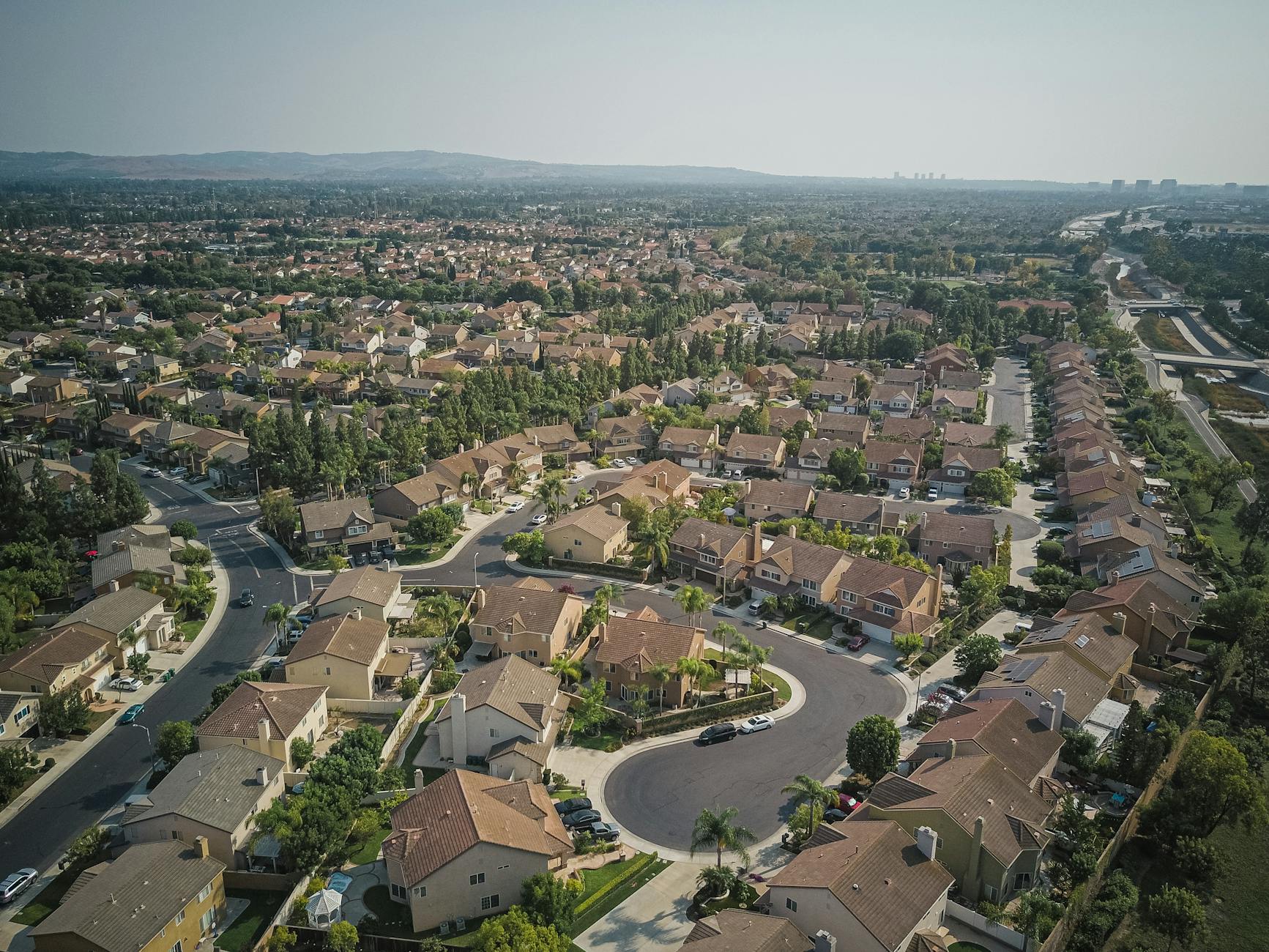
Suburbanites, who make up about half of the U.S. electorate and are as racially diverse as the nation at large, are a key prize. Biden beat Trump in suburban counties by about six percentage points in the 2020 presidential election.
Before Biden dropped out, Trump was leading him 43% to 40% among suburbanites in Reuters/Ipsos polls conducted in June and July, reflecting the Democrat’s struggle to energize supporters.
Harris began closing the gap when she launched her campaign in July and led Trump 47% to 41% among suburban voters in polling across September and October. That represents a nine-point swing in the Democrat’s favor, according to the analysis of six Reuters/Ipsos polls that included responses from over 6,000 registered voters…
Winning the middle – whether nationally or in the election’s key states – won’t necessarily crown the victor. Democrat Hillary Clinton, who got nearly 3 million votes more than Trump nationwide in the 2016 election and beat him in suburban counties by about 1 percentage point, still lost the election when Trump flipped six states that had voted Democratic in 2012.
Suburban voters are a sizable block of voters as this is where a majority of Americans live. Do all suburbanites vote the same? No, suburbia is increasingly complex with people in suburbia have different experiences and backgrounds.
Related to the previous point, do suburbanites see themselves as a voting bloc? If I were to take the Chicago metropolitan area as an example, voters across the region might not see themselves as similar to others in the region’s suburbs.
Will the presidential candidates appeal more directly to suburban life in the last few months? If the economy is the biggest issue for voters (as the article suggests), is talking about the middle-class direct enough? Trump in 2020 spoke directly about suburbs; will both candidates do this in 2024?

 Legally Sociable