
Walmart might be the quintessential American big box store. Inside a customer can purchase many items from a variety of categories. Yet, a large percentage of its revenue involves groceries:
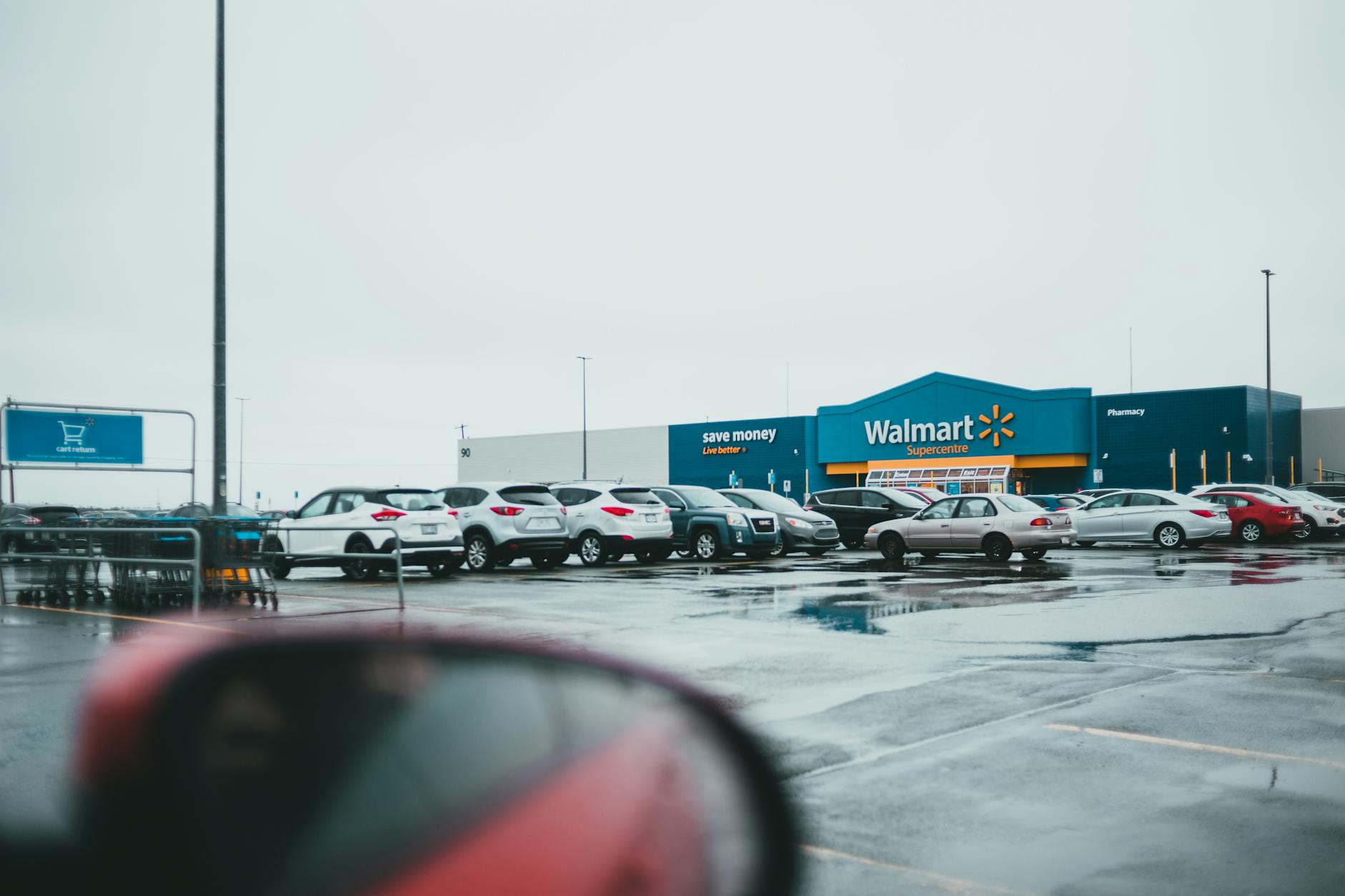
Nearly one in four grocery dollars in the US is spent at Walmart, more than double the share that shoppers spend at Kroger or Costco, according to consumer analytics firm Numerator.
That all adds up to more than $264 billion spent on groceries at Walmart US locations in 2023, up from $247 billion and $219 billion in the preceding two years.
Not only are top-line sales growing, their percentage of total division revenues is ticking up from about 55% three years ago to roughly 60% last year. And these numbers don’t even include Walmart-owned Sam’s Club.
I remember the first Walmart that opened near us in the Chicago suburbs when I was a kid. It was not a Supercenter and it was not as big as today’s stores. There were some food items there but no fresh groceries. You could buy all sorts of stuff there, from CDs to clothes to auto care items. Buying groceries often required a trip to the major grocery chains in the Chicago area, Jewel and Dominick’s at the time.
The Walmart today is a different experience. One side of the store is devoted to groceries. There are many options available for all sorts of food items. A buyer could go just for groceries and make a choice about whether to add other items to their carts from the other parts of the store.
From these experiences and their revenue streams, it sounds like Walmart is a grocery store first. It is not a conventional grocery store but as the comparative numbers indicate, its grocery sales dwarf other competitors. For younger generations of Americans, they may see Walmart as the prototypical place to get groceries as opposed to supermarkets or neighborhood grocery stores.
 Legally Sociable
Pingback: Food deserts and unenforced federal policies regarding suppliers and deals | Legally Sociable