
What will 2025 bring in the American suburbs? A third thing I will be watching for is the search for municipal revenue.
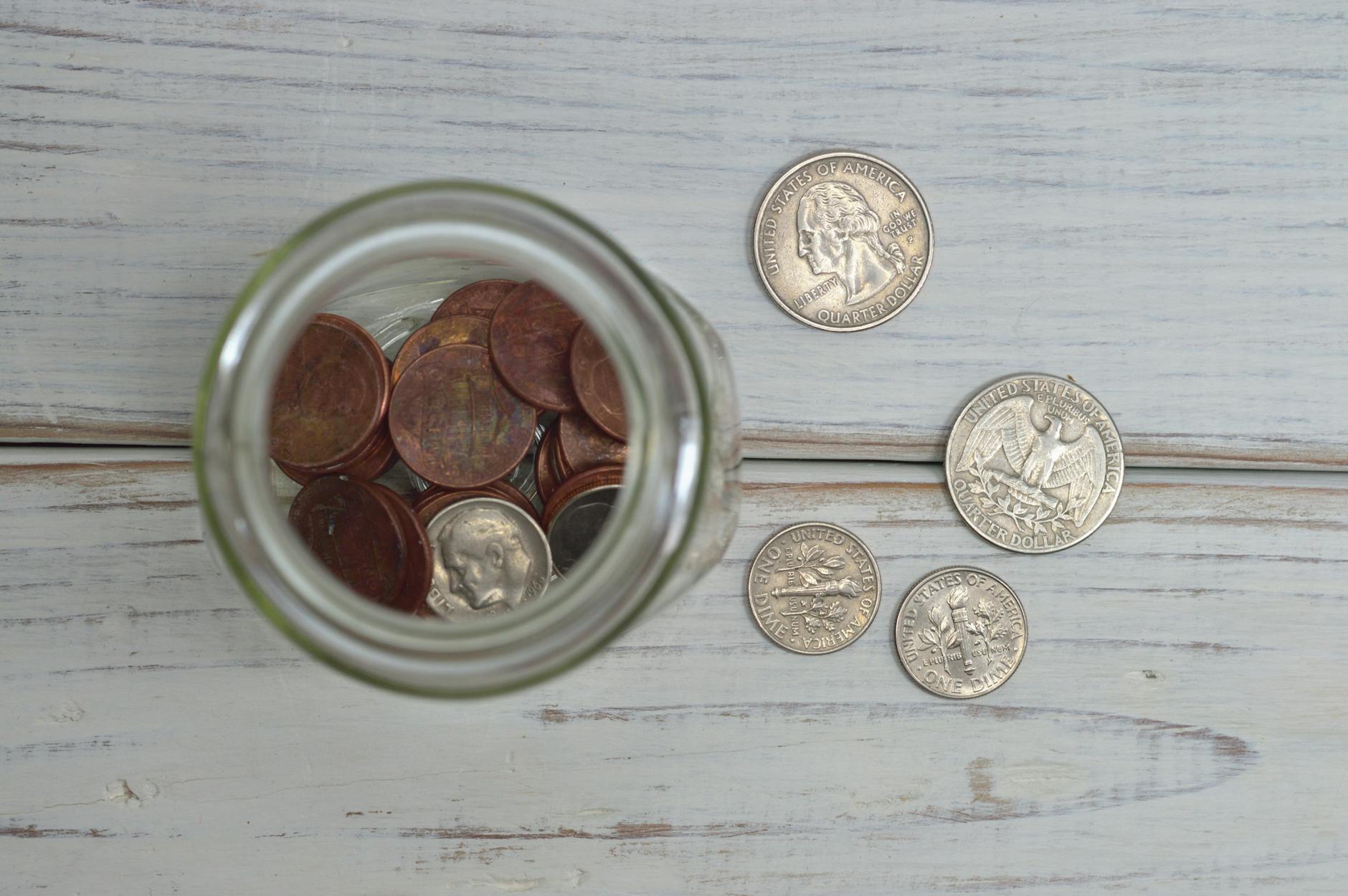
Every government body has a budget and sources of revenue. This includes suburban communities. They may receive money from taxes, fees, state government, the federal government, and other sources.
What will happen to suburban revenues in 2025? There are multiple threats:
- Slowing population growth or no population growth.
- Vacant office and retail buildings.
- Reduced funding from the federal and/or state governments.
And it is difficult to reduce municipal costs. As suburbs develop and mature, there are certain costs to maintain infrastructure and provide the services residents expect.
One way to boost revenues is to boost local taxes and fees. This may be unpopular among locals, particularly if they already perceive their local tax burden to be high. But more of this money can go directly to local operations and small increases can be sold as small burdens for individual taxpayers.
To some degree, municipal budgets are always tight. How many suburban communities have surpluses that enable them to keep spending and expanding services and amenities?
In 2025, some suburbs may face tough financial situations. What will they do in these situations? Where might they find extra money? How much goodwill will there be among leaders, residents, and other actors to find solutions?
 Legally Sociable