
I have tried to track the problems created by vacant big box stores in the suburbs, including having empty former grocery stores and putting COVID vaccine centers in those spaces. Some communities now find pickleball can make use of big box spaces and possibly generate revenue:
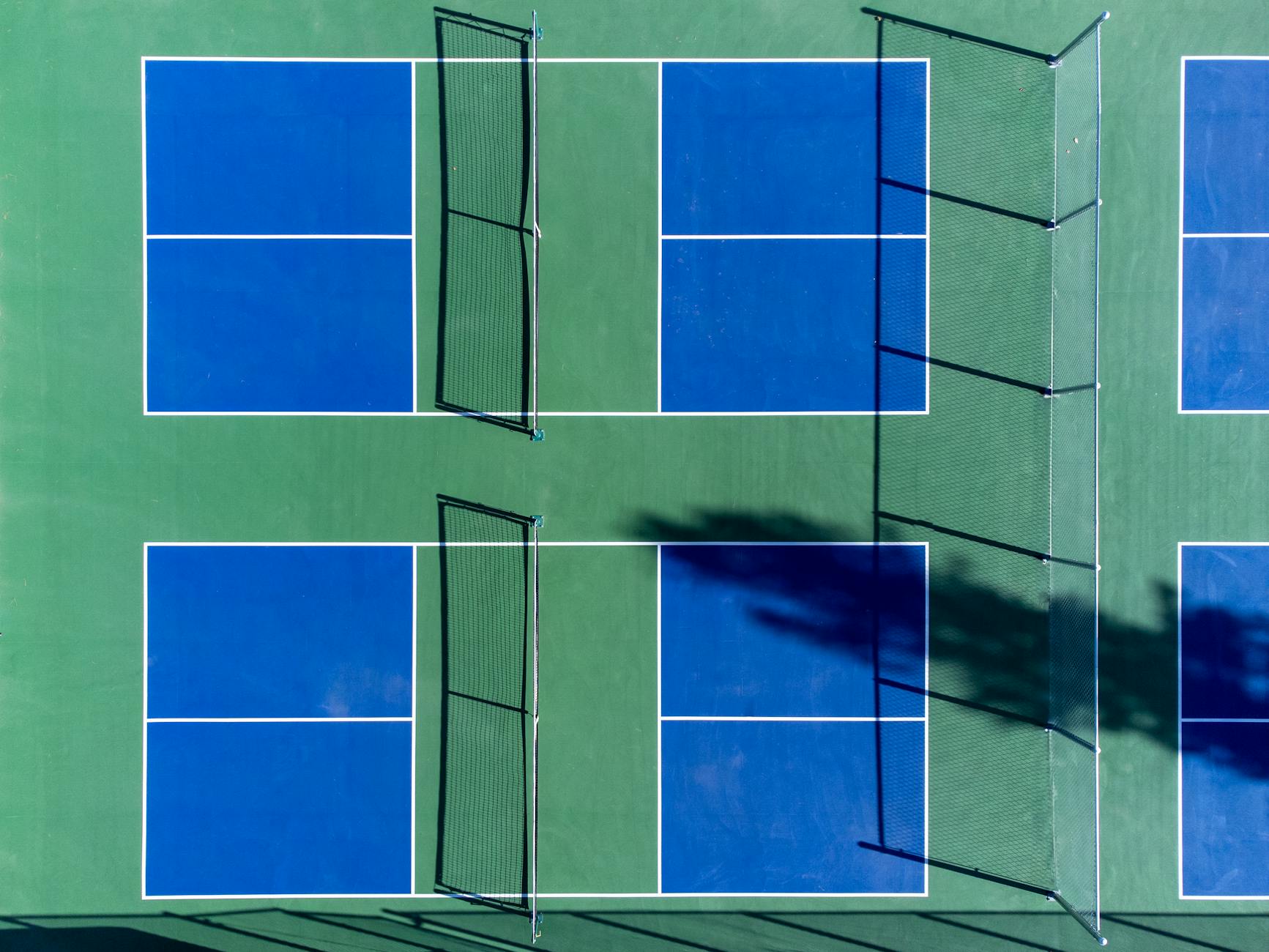
When big-box stores like Toys R Us or Buy Buy Baby close, they leave behind tens of thousands of empty square feet — spaces that can be difficult to fill.
Finding new tenants for these massive spaces is no small task. But one unlikely contender, pickleball — among the nation’s fastest-growing sports — is breathing new life into these cavernous retail spaces.
From Vernon Hills to Batavia, commercial indoor courts are opening at a steady clip, bringing renewed energy, foot traffic, and consumer spending to shopping centers facing an uncertain future…
Retail market experts believe repurposing vacant big-box stores as indoor pickleball facilities is a smart business move. These spaces offer high ceilings, ample parking, and central locations. For pickleball chains seeking an affordable 40,000- to 50,000-square-foot space, these vacant stores provide an ideal solution…
One key concern is tax revenue. Unless the facility also sells equipment, apparel, or food and beverages, the host municipality won’t see much financial benefit from sales tax, leaving a gap that traditional retail stores typically fill.
Vacancies are bad for multiple reasons. They sit empty, suggesting there is no demand for space in the community. They may attract undesirable activities. They are not generating revenue. The buildings and parking lots may not be kept up to the same level of open stores.
Filling vacancies, therefore, is important. Anything using the space broadcasts activity and suggests a more vibrant community.
But also important is the need for revenue. Spaces in suburbs designated for commercial use are intended to help provide tax dollars to be spent on local priorities. If these spaces are not generating revenue, might they be better used for housing or community spaces or recreation use?
From the article, it is less clear about whether pickleball facilities can provide the tax revenues suburbs might hope for. Is there a point where suburbs might be unhappy with pickleball there, even if they do address the vacancy issues?
 Legally Sociable