
What happens if communities in Texas and Florida are now not growing as fast as in recent years?
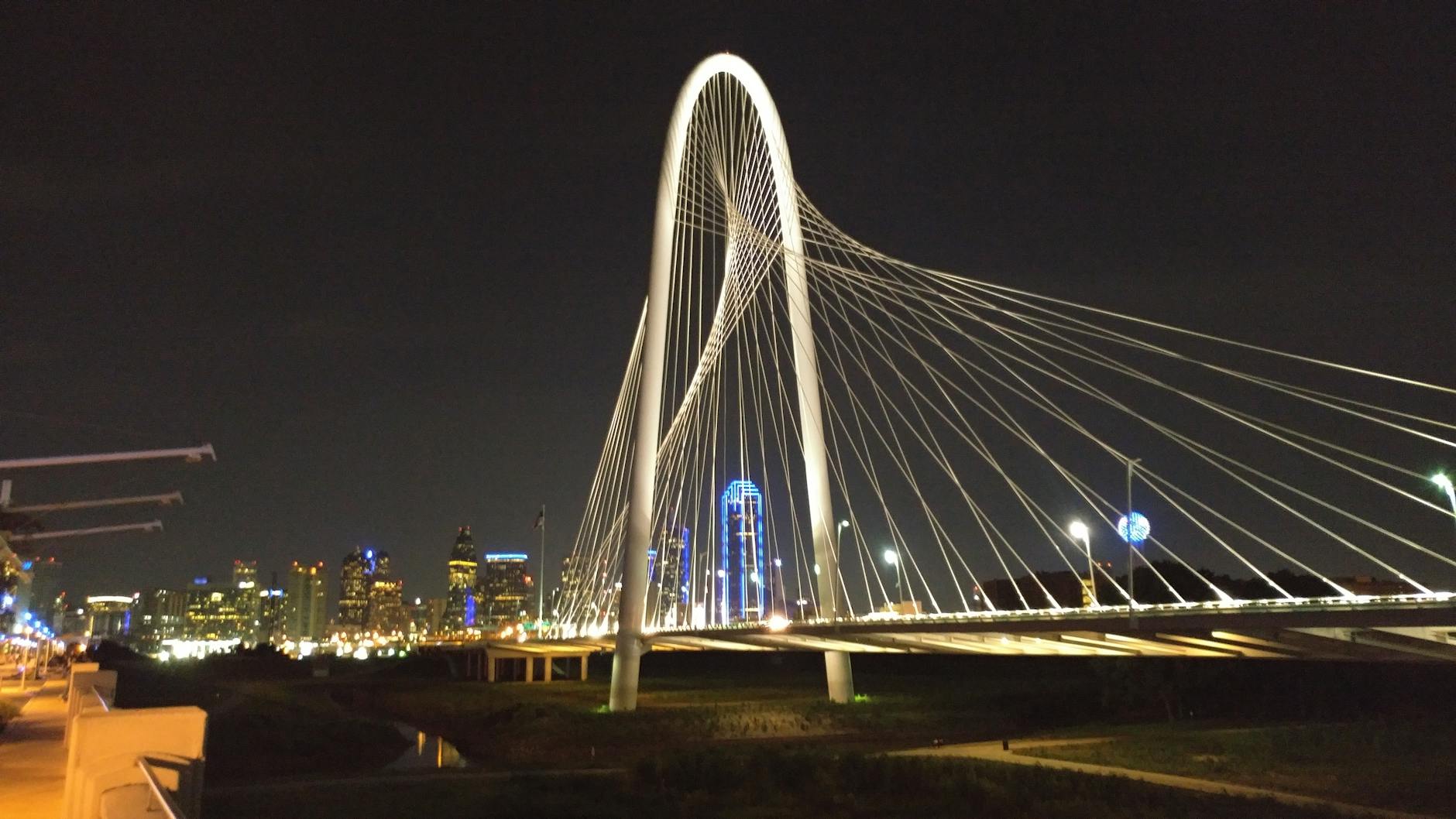
Fewer Americans are moving to boomtowns in Florida and Texas – once red-hot destinations that saw surging populations and soaring home prices.
Tampa, FL, had a net inflow of just 10,000 residents last year, according to fresh data from Redfin. That is less than a third of the 35,000 in 2023…
Meanwhile, Dallas – one of several Texas cities that boomed during the Covid-19 pandemic – saw a net inflow of around 13,000 residents in 2024, also down from 35,000 the year prior.
Americans had previously been drawn to Sun Belt cities due to their warm weather, low tax rates and affordable housing compared to coastal cities.
But that appeal is fading fast. The cost of living has jumped, thanks to rising mortgage rates, skyrocketing home prices, and higher fees for insurance and HOAs – particularly after a string of natural disasters.
Several long-term consequences come to mind in addition to the effects on the local real estate markets:
- Growth is good in the United States for a place’s status. To not grow – or even to level off – is considered bad. These places will be viewed as less desirable overall if they are not rapidly growing.
- How does this change local planning and revenue projections? Imagine you see growth going at a particular pace for a certain time. If that growth does not occur, there could be major changes in budgets and land use. (Whether these possibilities should have been factored in is another matter; who would have factored in a global pandemic?)
- What other places will take over as being the fast-growing places? Will places in Arizona or Idaho (or the West more broadly) look more attractive? Or perhaps just population growth as a whole slows in ways that few American places are growing quickly?
 Legally Sociable