
The primary mission of Transformco is to monetize Sears’ real estate. This can occur through either selling or leasing it, according to John C. Melaniphy, president of the Chicago-based retail consulting firm Melaniphy & Associates…
“In my opinion, it will take years to unwind all of the properties that are encumbered through either Sears/Kmart leases or ownership,” he added. “Transformco leadership will determine their short-term and long-term success. However, the company has experienced talent losses with fairly significant employee turnover. The current mall redevelopment environment, with rising store closings and greater e-commerce market share, is a serious threat to their long-term success. Transformco leadership will be challenged in their effort to navigate the peaks and valleys in development cycles. In my opinion, they will sell off the remaining assets as quickly as possible.”
But Melaniphy sees Transformco’s recent sales of two former Sears stores in Texas for their redevelopment into Dick’s Sporting Goods House of Sports locations as signs of success in its mission…
As of early spring, the remaining Sears stores were in Burbank, Concord and Whittier in California; Orlando and Miami in Florida; Braintree, Massachusetts; El Paso, Texas; and San Juan, Puerto Rico…
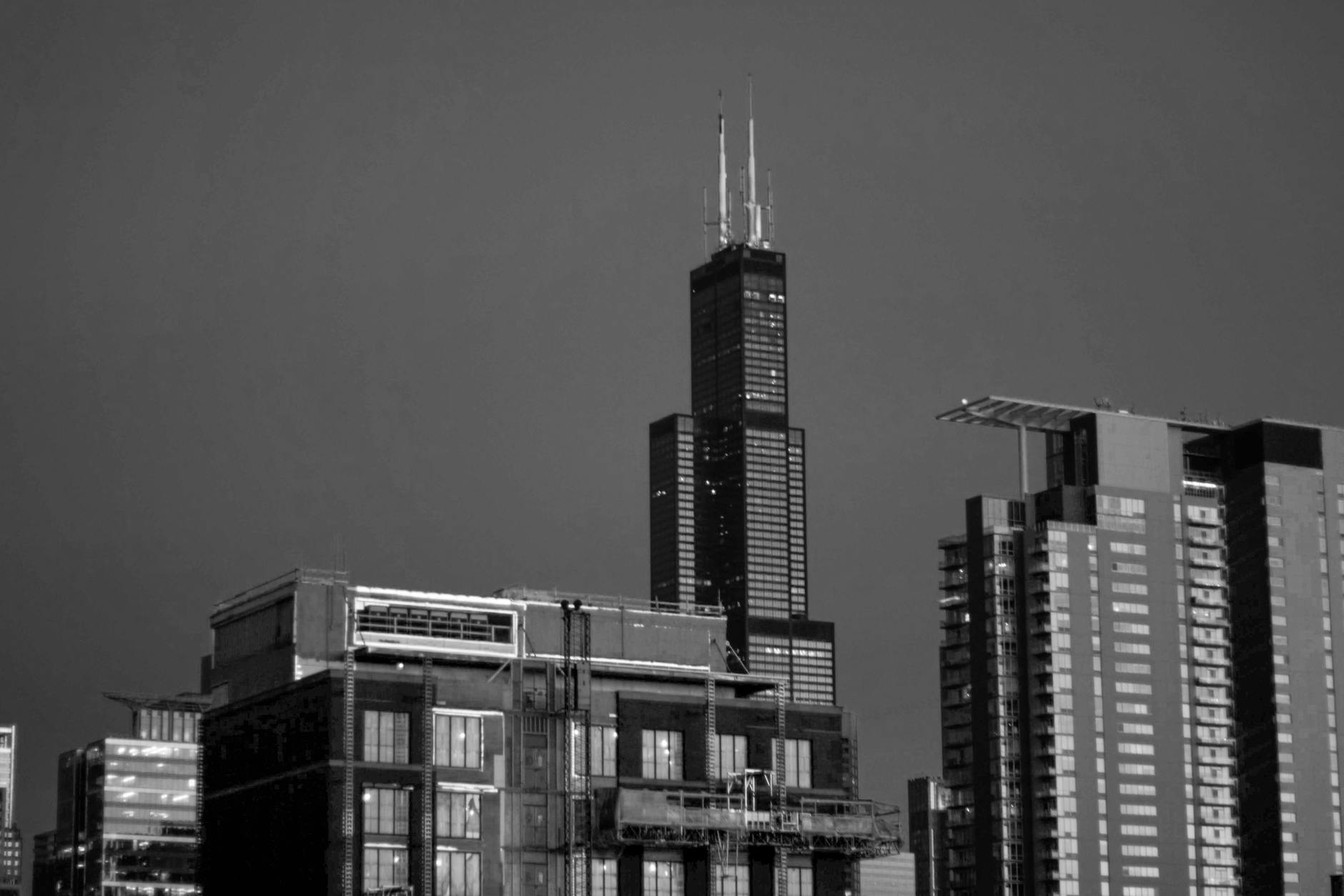
A quarter of the way through the 21st century, other lingering evidence of Sears’ long and proud history in the Chicago area include the third-tallest building in North America and the call letters of radio station WLS, which stands for “World’s Largest Store” for the four years Sears owned the station in the 1920s.
From leading company to holding some potentially valuable real estate. This is quite a fall over decades. It also has the potential to turn into something else if the real estate becomes something important down the road. While it probably will not lead to the rise of the next great retail company (and can that even happen in brick and mortar settings?), the reused or redeveloped properties could still benefit communities.
This does lead to a bigger question about any mass market retailer or restaurant. Yes, they generate revenue – or hope to – at each location. But what if the real estate portfolio is ultimately the biggest asset? What happens to that asset long-term if the company is no longer there?
Imagine 50 years into the future. Will there be any physical locations that remind people of Sears? The former Sears Tower will presumably still be there. Will any of the former Sears retail stores or warehouses or offices have any markers that talk about the once-large company?
 Legally Sociable