
DuPage County, Illinois had 91,998 residents in the 1930 Census. Suburban growth had begun as the county had more than doubled in population since 1920. The county soon added another mark of suburbanization:
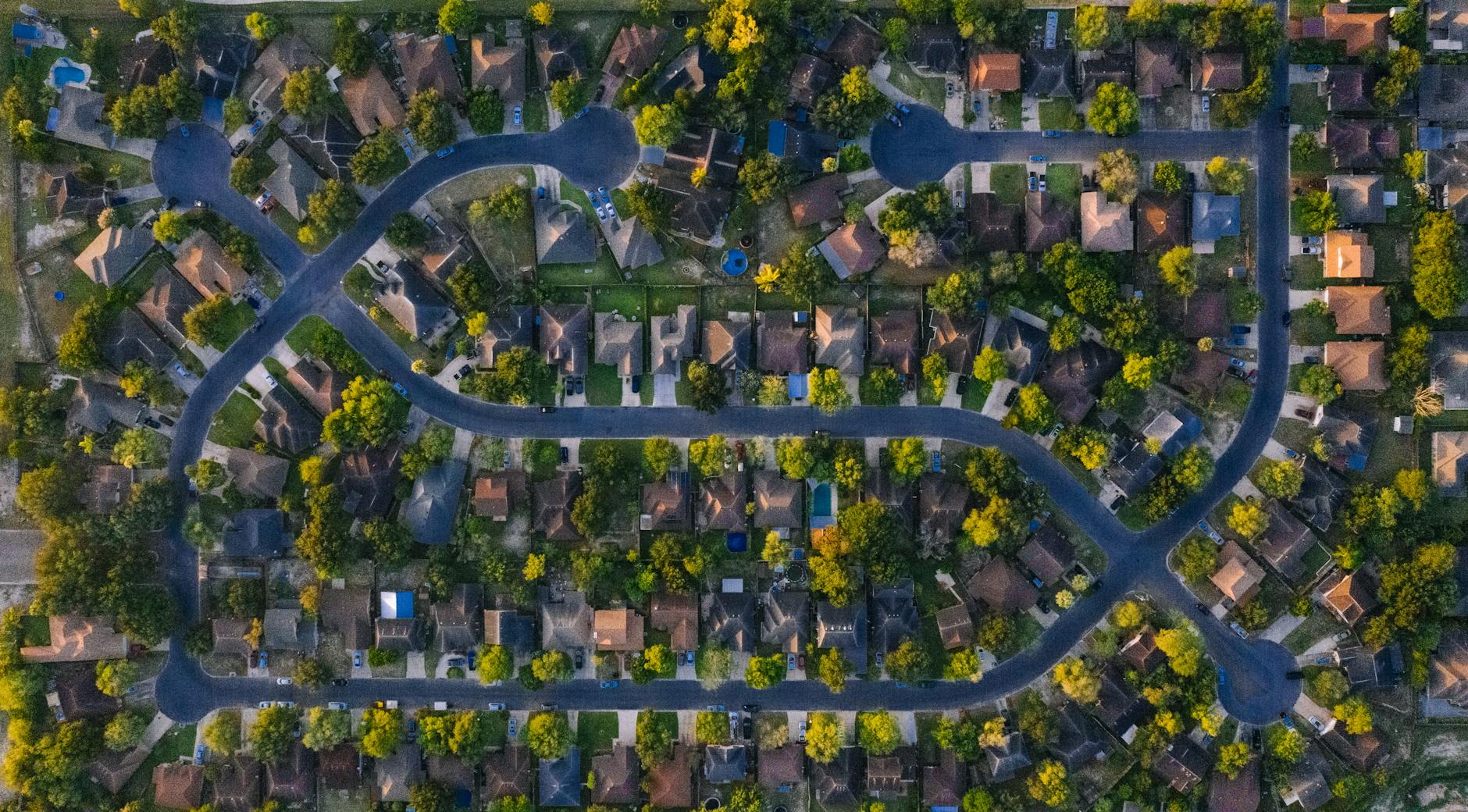
In 1933 the Chicago Regional Planning Association induced Du Page County to adopt a zoning resolution. First county in Illinois to pass such legislation, Du Page was influential in getting the State legislature to pass a county zoning act in 1935. Gaining thereby the legal means to enforce its own ordinance, Du Page County revised its law and made it more strict. Through the zoning ordinance, the use of both buildings and land is regulated to prevent the encroachment of business and industry upon residential areas outside the limits of incorporated cities and villages and to keep the highways free from unsightly dumps and automobile “graveyards.” (Knoblauch, 1951, Du Page County Guide, 4)
This passage highlights the perceived advantages of zoning: it limits what can be near single-family homes. Homeowners and residents do not want to be next to businesses, industry, dumps, and lots filled by old vehicles. This is a primary focus of zoning throughout the United States. A quiet residential setting with certain appearances, neighbors, and noise levels should be protected.
Even as the county would experience much more growth, topping 900,000 residents in the 2000 Census, the region had plenty of non-residential land use in the suburbs. In addition to farms and small communities, the areas in the region outside of Chicago had plenty of industry. Locating factories and plants out in the suburbs could make sense with cheap land and fewer concerns from neighbors. This could be in communities like Lake Township that were later annexed into Chicago or in industrial suburbs like Gary and Aurora that were further from the city that benefited from access to water and had railroad connections.
Today, it would be hard to imagine American suburbs without zoning. Would the reasons Americans love suburbs still exist or be the same if the valued single-family homes were next to undesirable land uses? DuPage County and many other suburban counties and communities depend on zoning to help create the day-to-day suburban experience Americans prize.
 Legally Sociable