
A new Peacock show on John Wayne Gacy filmed many scenes in Toronto but wanted them to look like Chicago. Here is how they did it:
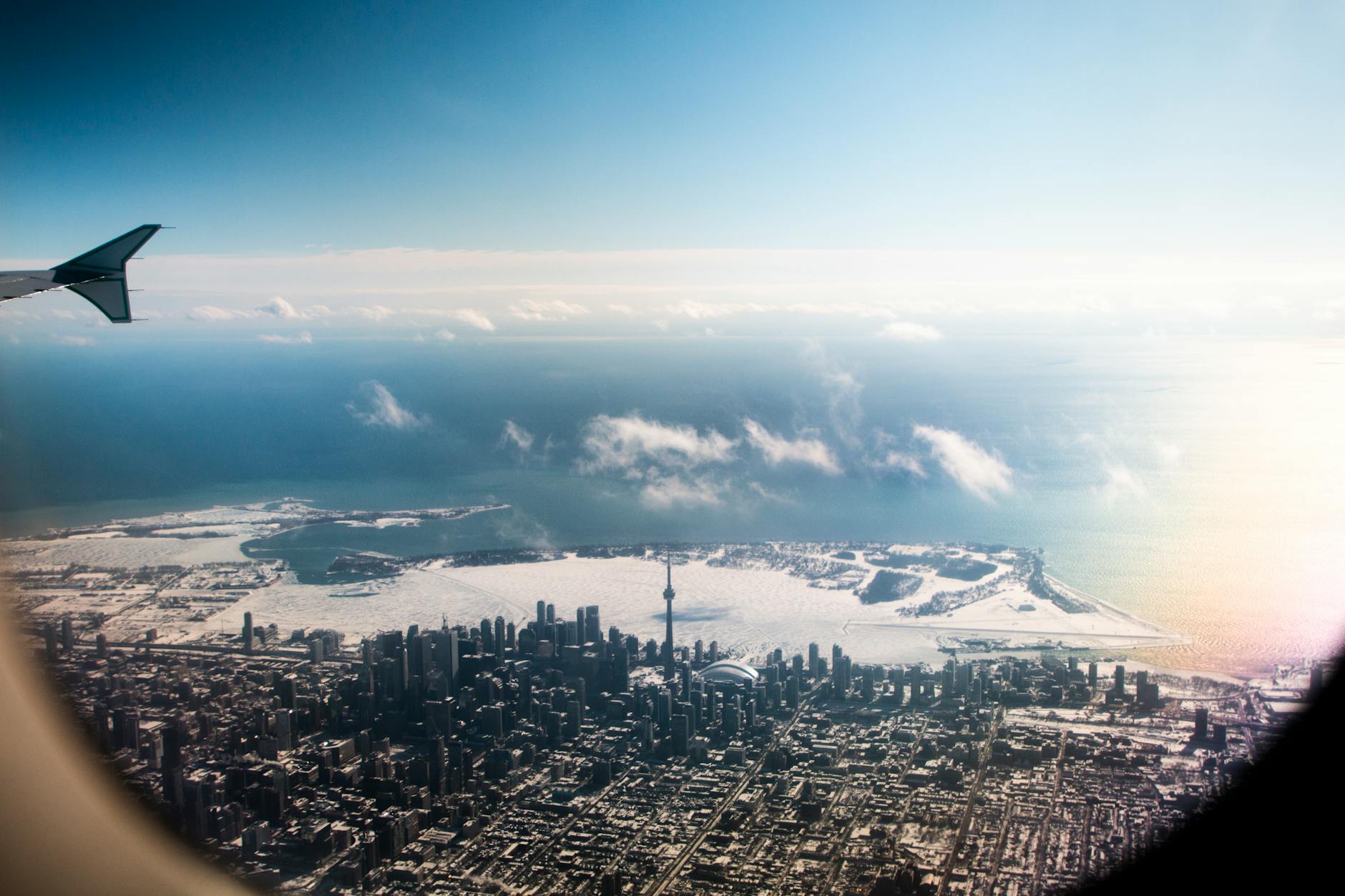
The series was filmed largely in Toronto, though the sets bear a striking resemblance to Chicago’s suburban sprawls in the 1970s. Macmanus works with a private researcher, Patrick Murphy, on most projects; Murphy scoured local reports from the Chicago Sun-Times and the Chicago Tribune, as well as news footage, and produced a “great bible of photos” that was passed off to the production team to scout and replicate.
And they needed the scenes to look like a particular Chicago neighborhood (Norwood Park):
“I didn’t realize how close he was to O’Hare. That was just shocking, in the sense that he truly was hiding in plain sight. The house wasn’t in some remote area, it was a suburban street like so many other suburban streets, with houses right next to each other, right next to the airport,” Chernus said in a recent chat over Zoom.
Will the average viewer be able to tell that the filmed scenes are in Toronto and not actually in Chicago? Probably not. If the production team found similar settings and then adds a combination of establishing shots and internal sets (that could be located anywhere), it may be hard even for people with lots of Chicago experience to spot differences.
I have heard people suggest Toronto and Chicago are similar in character (and population). How much harder would it be to make it look like Chicago if it were filmed in Vancouver (a common Canadian setting for American production) or Atlanta (still in the same country but different landscape) or another American city with bigger tax breaks?
Is there any evidence that filming in the actual location improves the final product? If filming elsewhere is about saving money, what could be gained by filming on location in Chicago? Are there particular producers or networks that prioritize filming in the actual location?








 Legally Sociable