What makes a suburban store “hyperlocal”?

Numerous independent stores operate within American suburbs. What might it mean if they pitch themselves as a “hyperlocal” store (heard on a recent advertisement)? A few possibilities come to mind:
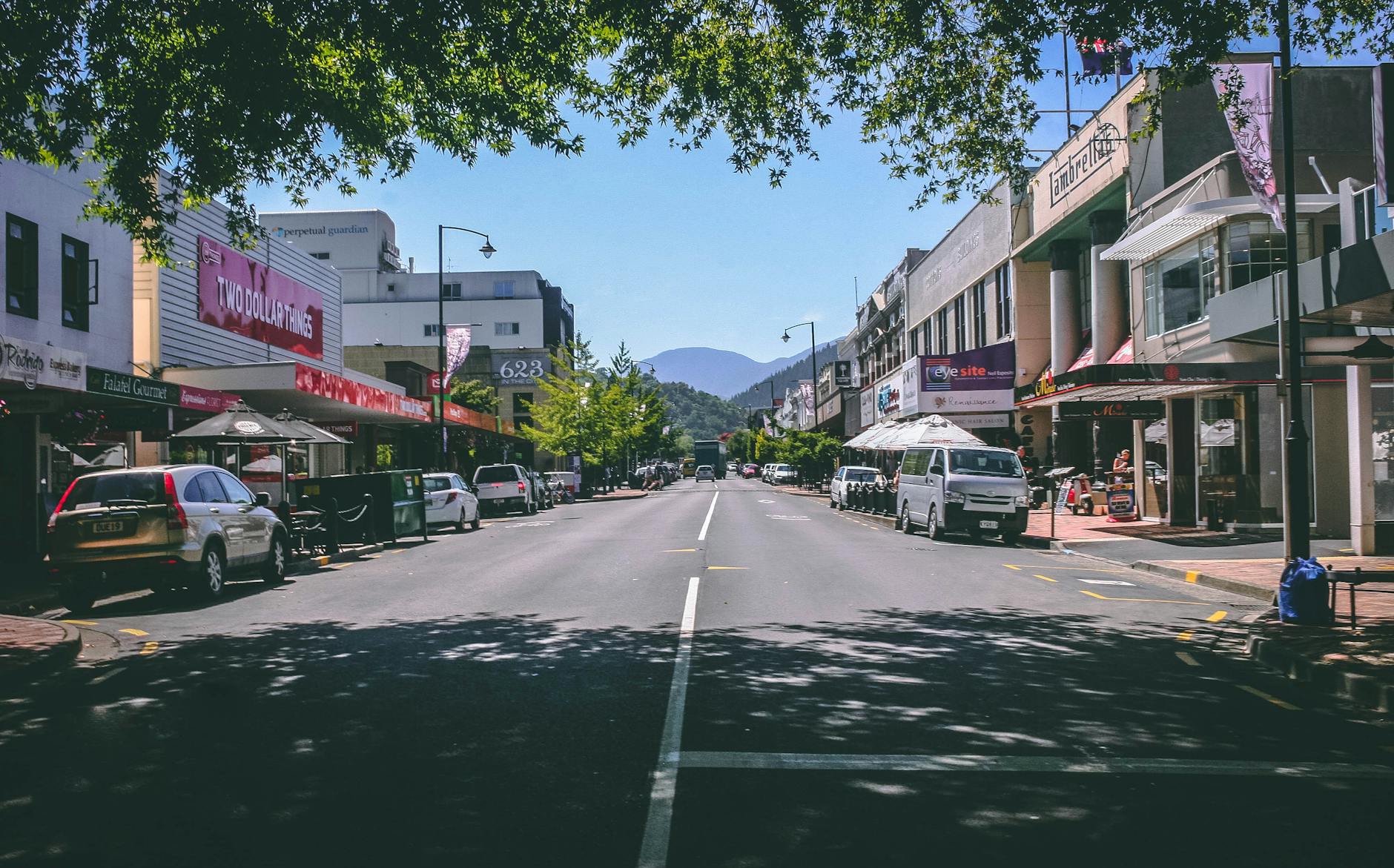
Photo by Darcy Lawrey on Pexels.com
  1. The business is trying to emphasize that they are super local. If some brands or stores are global or national (think multinational corporations or national or regional chains), then other brands or stores are local or hyperlocal. This is not just local; it is really local or super local to emphasize that it is not national or global.
  2. The store offers goods or experiences only available in this one particular community. Perhaps the business connects with local themes, history, or spirit in ways that someone could not do if the store was in a different community. The store is hyperlocal because the stuff that can only be found there is connected closely to the suburb.
  3. Could this be a nod to hyperlinks? What if hyperlocal means that the store makes connections between local goods and themes? Or, going a different direction,
  4. The dictionary definition of hyperlocal is “limited to a very small geographical area.” This goes further than #1 above: the store serves not the suburb; it serves a smaller area within the suburb. The goods or experiences found therein serve a very particular place.

I am not sure what the store meant by describing themselves as “hyperlocal” but I find #1, #2, and #4 plausible. (The hyperlink/hyperlocal connection seems like a stretch.) If the goal was to stand out from other businesses that might say they are part of the community or serving the local community, hyperlocal might help.

The symbiotic relationship between online shopping and brick and mortar stores

Can online shopping and brick and mortar stores benefit each other?

Photo by Andrea Piacquadio on Pexels.com

“There was a narrative that as online grew, stores would become less relevant. But it hasn’t worked out that way,” said Neil Saunders, managing director at GlobalData. “In many ways, the store is still the heart or hub of retail.”

It is another example of how online-only retail has its limits, and why physical stores are making a comeback. After years of overbuilding that lead to a sharp contraction, retailers are on track to open more stores than they close in 2024 for the third consecutive year, according to advisory and research firm Coresight Research.

Many retailers have found that it is too expensive and difficult to attract and retain customers without physical stores. And using stores as pickup and drop-off points helps lower the labor, packaging and shipping costs involved in online orders…

Kohl’s now fulfills more than a third of its online orders in stores, Walmart more than half, and Target nearly all its sales from its network of roughly 2,000 locations, according to the companies.

Americans like shopping. This story makes me think that shopping can even be more pervasive. You can be shopping online and in person. You can shop from anywhere and everywhere. It can happen in the online and offline worlds. It is a self-reinforcing system.

Oh yeah, there is still that pesky problem of people not feeling financially comfortable. Is the all-encompassing shopping realm able to overcome this? Is it just a matter of finding good deals or working with some credit or debt to make purchases?

And if shopping is everywhere, there will likely be more need for companies to differentiate their products and services. What will make someone click on that email or that Instagram ad? What will drive people to that location as opposed to making the purchase online?