Americans may care more about local nature than about broader environmental issues

Focusing on local nature and land may help bring Americans together around environmental concerns:

Photo by Tomau017e Rakovec on Pexels.com

Climate is hugely divisive and nature isn’t. In a 2025 poll, a 50-percentage-point gap, 84–34, separated Democrats and Republicans on the question of whether the U.S. should “take a more active role in global climate efforts.” Support for “conservation lands and wildlife,” however, was 80 percent among Dems and 61 percent among Republicans. People of all stripes, it turns out, run, hike, bike, collect firewood and food in the wild. Ninety-six million Americans bird-watch, 58 million fish, and 14 million hunt.

“If you get down to the local level, genuine bipartisan collaboration can happen because there are people on both sides of the proverbial aisle who really care about the places that they live,” Michelle Nijhuis, the author of Beloved Beasts, which chronicles the history of the American conservation movement, told me.

This kind of collaboration should be channeled to expand publicly accessible natural lands. Call it an “environmentalism of places,” in which people take care of ecosystems near them for the good of plants, animals, water, and human psychological well-being. Climate advocates can refer to these very real, locally known places to make climate change real and relevant to people.

The suggestion here is people have more interest and knowledge in local places they know compared to places less familiar to them. It is the difference between nature they may encounter regularly versus abstract notions of nature that they may or may not have much first-hand experience with or knowledge of.

If “all politics is local,” how could the environmental movement better connect local and national or international concerns? Is it making clear the local implications of broader patterns? Is it getting people involved at a local level and then asking them to expand their scope to other places? Or perhaps people will have a hard time looking beyond their local contexts and policies and efforts need to have clear local connections or benefits.

More broadly, Ben Norquist and I argue in our forthcoming book Every Somewhere Sacred that we have a responsibility for the places in which we are in and should care about other places. How much do we know about it? What kind of stories do we tell about land and place and what better stories can we tell? What can we do collectively and individually in these places? This does not necessarily mean ignoring other places but rather telling better land stories about where we are and our broader context.
What makes a suburban store “hyperlocal”?

Numerous independent stores operate within American suburbs. What might it mean if they pitch themselves as a “hyperlocal” store (heard on a recent advertisement)? A few possibilities come to mind:

Photo by Darcy Lawrey on Pexels.com
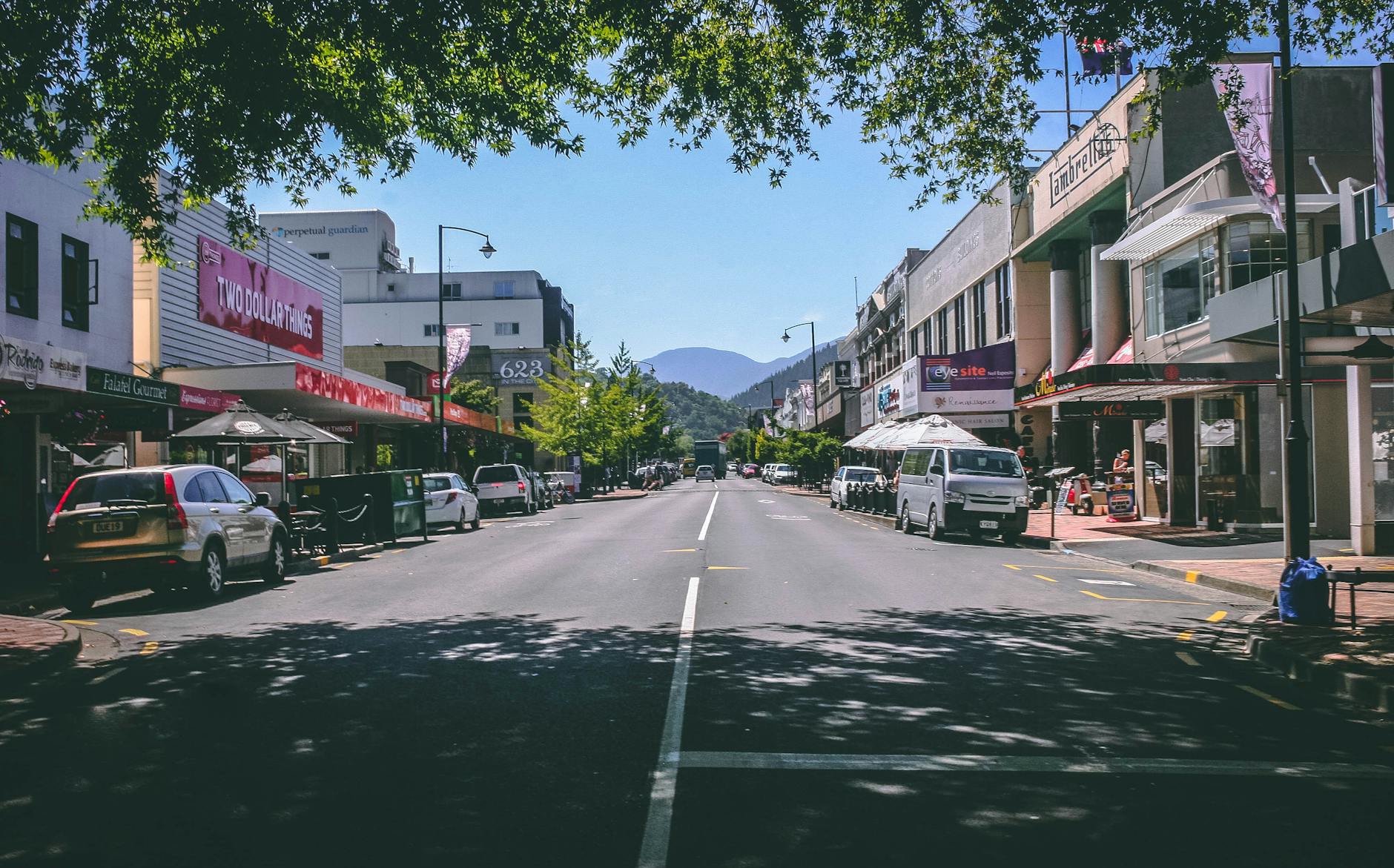
  1. The business is trying to emphasize that they are super local. If some brands or stores are global or national (think multinational corporations or national or regional chains), then other brands or stores are local or hyperlocal. This is not just local; it is really local or super local to emphasize that it is not national or global.
  2. The store offers goods or experiences only available in this one particular community. Perhaps the business connects with local themes, history, or spirit in ways that someone could not do if the store was in a different community. The store is hyperlocal because the stuff that can only be found there is connected closely to the suburb.
  3. Could this be a nod to hyperlinks? What if hyperlocal means that the store makes connections between local goods and themes? Or, going a different direction,
  4. The dictionary definition of hyperlocal is “limited to a very small geographical area.” This goes further than #1 above: the store serves not the suburb; it serves a smaller area within the suburb. The goods or experiences found therein serve a very particular place.

I am not sure what the store meant by describing themselves as “hyperlocal” but I find #1, #2, and #4 plausible. (The hyperlink/hyperlocal connection seems like a stretch.) If the goal was to stand out from other businesses that might say they are part of the community or serving the local community, hyperlocal might help.

“Visit your local IKEA store”

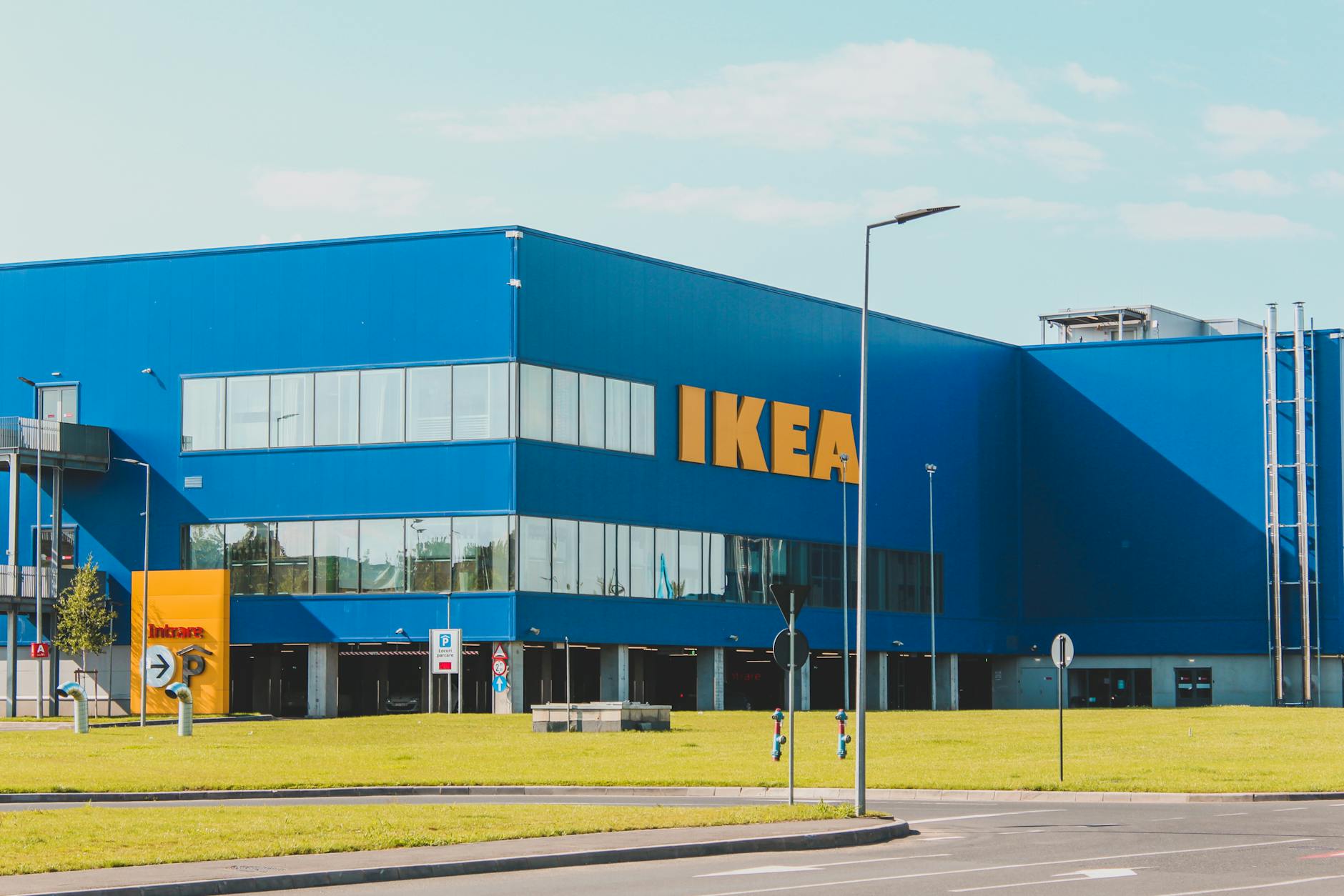
A recent advertisement encouraged people to “visit your local IKEA store.” I get the general idea: I can go find what their latest deals at my closest store.

Photo by Czapp u00c1rpu00e1d on Pexels.com

However, the “local” part of it stuck with me. Do I have a “local IKEA store”? Here is why the term might not work well:

  1. There are two IKEA stores in the entire Chicago region of over 9 million people. One is closer to those living toward the north, one is closer toward those living in the southern part of the region. Thus, many in the region will have to take a bit of a drive to reach a store. These are not stores found in numerous communities. How far away from a residence is a “local” store?
  2. Local can imply local business or smaller in scale and size. All of these might be in comparison to big box stores that offer predictability and many square feet. IKEA is more in this latter category with stores that are large, found along major roads, and are surrounded by large parking lots. These are not local businesses; this is a global corporation with a limited number of stores and pick-up sites in the United States (see the map here). These are destinations, not local businesses near the hearts of communities.

I, like many others, will make a trip to IKEA in the future to look for items and have an experience that cannot easily be found elsewhere. But I will not consider it a local store as I travel down highways to the sizable building located among many other national and international retailers at a convenient nexus of sprawling suburbia.