Who is affected by unusual sports champions like Indiana in college football or Leicester City in the Premier League?

Sports leagues often have a set of consistent winners who regularly contend for championships. They may have a history and resources. They are known by all in the sport. They may be disliked by plenty of others whose teams do not have regular success or do not challenge for championships.
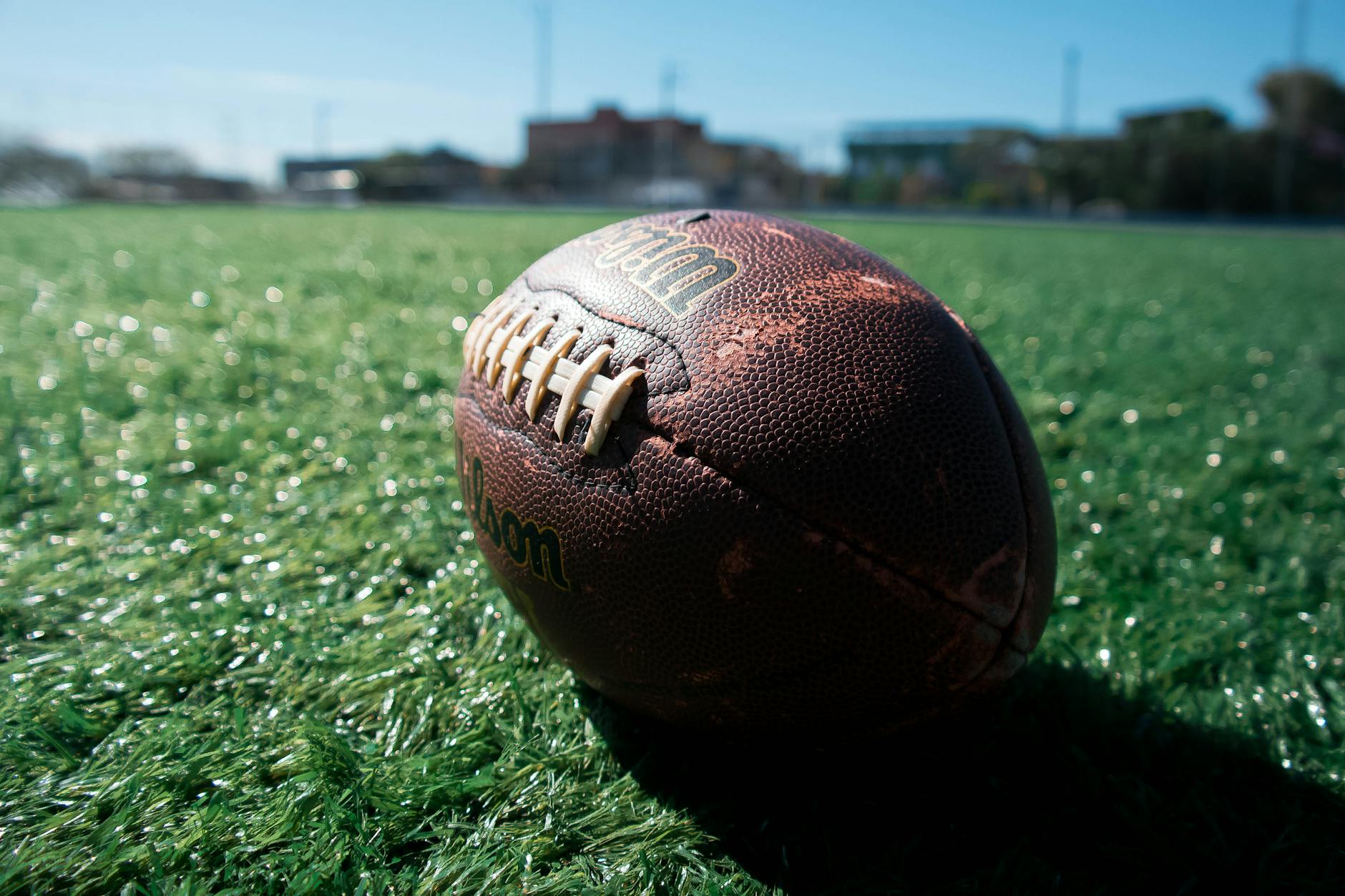
Photo by Wallace Chuck on Pexels.com

Sometimes these hierarchies are upset. Last night was one such occurrence with Indiana University beating Miami to cap the college football playoff. Indiana is the football champion for the first time ever. A basketball school won the football championship. As one commentator summed up how it happened, they concluded that it may never happen again:

All of which makes this a singular moment in the sport. The Indiana football program still has the third most losses of any team in FBS history, and I’m not sensing that Northwestern or Wake Forest is all that close to hanging a championship banner. Maybe, though. College football was a static sport for a long time. The last year a team won its program’s first national title was 1996, when the Florida Gators did it. A new economic structure will create new first-time champs on a quicker timeline than that going forward. It will just never, ever yield a two-year flip job like the one Indiana just put on.

In the recent past, I also remember Leicester City winning the Premier League in 2016. This team had finished second in the top tier once in the distant past (late 1920s) and had fluctuated between the top tier and second tier for decades. But 2015-2016 was a magical season where the team overcame great odds to win the league. Ten years later, they are back in the second tier.

Who is affected by these unusual championship victories? Certainly it is good for supporters of these teams. They will remember this forever. Their team won it all when they typically are not even competing for the top spot. The teams will enjoy this success for years, perhaps with new fans and resources, and with a higher status legacy.

What about the broader public? Perhaps some others will join in for the exciting ride of the unusual championship. How many college football fans joined the Indiana bandwagon from their success the previous year through their just-completed undefeated year? How many fans enjoyed Leicester City beating the top teams that tend to dominate the Premier League?

At the same time, this success does not last forever. Do sports championships change people’s day to day lives? Will the regular powers in the sport reassert their dominance?

Maybe the most enduring legacy will be the hope that any team may have that they too could have these unusual seasons. Get the right coach. Attract the right star player. The top teams might falter. It could all come together for one season. It probably won’t – there can only be one champion each year – but it could. Remember when Indiana or Leicester City or other unexpected champions won it all? The great outlier season could happen. The odds that another unexpected champion could arise have to be greater than 0%, right?

(The 2016 World Series victory by the Chicago Cubs might be a similar unexpected championship – see one comparison to Indiana’s win here. The Cubs’ win led to a large public celebration. For multiple reasons, I did not include them in this post.)

Chicago looked good for the Cubs parade and rally…but was it the real Chicago?

For many, the city of Chicago looked good yesterday: the weather was beautiful for November 4th, the buildings gleamed, the lake was beautiful from the air, everything looked pretty clean, and joyful millions descended on the city (I’m skeptical of the 5 million figure but that may be a subject for another post) to celebrate a win for the whole city.

Yet, I want to continue some thoughts from last week: a championship, even one as unusual as that of the Cubs, does not lead to a transformed city. On the television coverage, they talked of the day’s events bringing the city together, how the team embodied different aspects of the city, and how so many hearts had been lifted. Will the poverty rate decrease? Will the uptick in shootings and murders subside? Will economic opportunities start arriving in poorer neighborhoods? Will the public schools start providing a good education for all students? Will residential segregation lessen? Will the wealthy share more with those with less?

If anything, this win will provide more money for those who already have a lot. The Cubs were already quite profitable before the win and the championship supposedly adds $300 million to a multi-billion dollar commodity. The team’s development work around the ballpark is supposed to help the neighborhood but it also follows the pattern of other teams who are using their sports franchises to make more money in local real estate and development. I know the team gives to charities – pretty much all major businesses do – but does the wealth help others?

And does a win provide Cubs fan Rahm Emanuel – alongside other city leaders who were to receive tickets to World Series games until the public got wind of it – a reprieve from tough questions?

And which Chicago is the real Chicago: the skyline, Loop, and North Side or the other areas of the city?

And how about the pretty white fan base (at least it appeared this way by who was attending the World Series games at Wrigley and those who attended the parade and rally)? How many of those who poured into the city to celebrate are from the suburbs and from outside the region?

It could still be a very good day for Chicago if that same passion and energy displayed in celebrating the winning of a game – men playing with bats, balls, bases, and gloves – could be regularly channeled into improving communities.


My argument: a championship does not bring lasting urban hope or change

As the World Series gets underway with two starved fan bases, I’m sure some will suggest that a win for the Cubs or Indians will be good for their cities. A victory will give their Rust Belt cities suffering from numerous problems a needed boost.

I don’t think it works this way. Sports are primarily (1) entertainment and (2) business. On the first point, a win will excite people. It may scratch something off their bucket list to see their team win. There will be joy. But, cities have plenty of entertainment options and people will move on. See the White Sox: they had their own World Series drought before winning in 2005. But, where are they now? They have been an average to mediocre team in recent years and the hope is gone (as evidenced by the lack of fans attending games as well as by the general lack of interest). As the win moves further and further into the past, it will linger in memories but people will find other entertainment options. More and more, fans require their team to win now or lately. Maybe the leash will be a bit longer in Chicago or Cleveland but eventually fans will become upset if they don’t win again.

As for the business side, a win brings in money with more games (tickets, concessions), more merchandise sold, and a higher value for the franchise. Generally, we’re told by team owners and other boosters that sports franchises boost the local economy. However, related to the entertainment side, studies suggest if teams moved elsewhere, residents and visitors would simply spend their money elsewhere (rather than that money disappearing from the city). Who benefits most financially when teams win? Owners.

A championship does not affect the fundamental issues facing cities. Is Cleveland really a better place to live because the Cavaliers finally won? Did the 1985 Bears Super Bowl win set Chicago on a better course? All those Bulls and Blackhawks titles? The fans may have felt better, the city could celebrate, the owners could see their valuations go up, and regular city life would eventually go on. Manufacturing jobs were lost, white residents continued to flee for the suburbs, public schools and other local institutions suffered, politicians and leaders looked out for their own, and so on.

A championship may be for the fans but it is not really for the city.