What’s left of Sears

A few stores and some valuable retail properties are most of what remains of Sears in the United States:

Photo by Eduardo Romero on Pexels.com

The primary mission of Transformco is to monetize Sears’ real estate. This can occur through either selling or leasing it, according to John C. Melaniphy, president of the Chicago-based retail consulting firm Melaniphy & Associates…

“In my opinion, it will take years to unwind all of the properties that are encumbered through either Sears/Kmart leases or ownership,” he added. “Transformco leadership will determine their short-term and long-term success. However, the company has experienced talent losses with fairly significant employee turnover. The current mall redevelopment environment, with rising store closings and greater e-commerce market share, is a serious threat to their long-term success. Transformco leadership will be challenged in their effort to navigate the peaks and valleys in development cycles. In my opinion, they will sell off the remaining assets as quickly as possible.”

But Melaniphy sees Transformco’s recent sales of two former Sears stores in Texas for their redevelopment into Dick’s Sporting Goods House of Sports locations as signs of success in its mission…

As of early spring, the remaining Sears stores were in Burbank, Concord and Whittier in California; Orlando and Miami in Florida; Braintree, Massachusetts; El Paso, Texas; and San Juan, Puerto Rico…

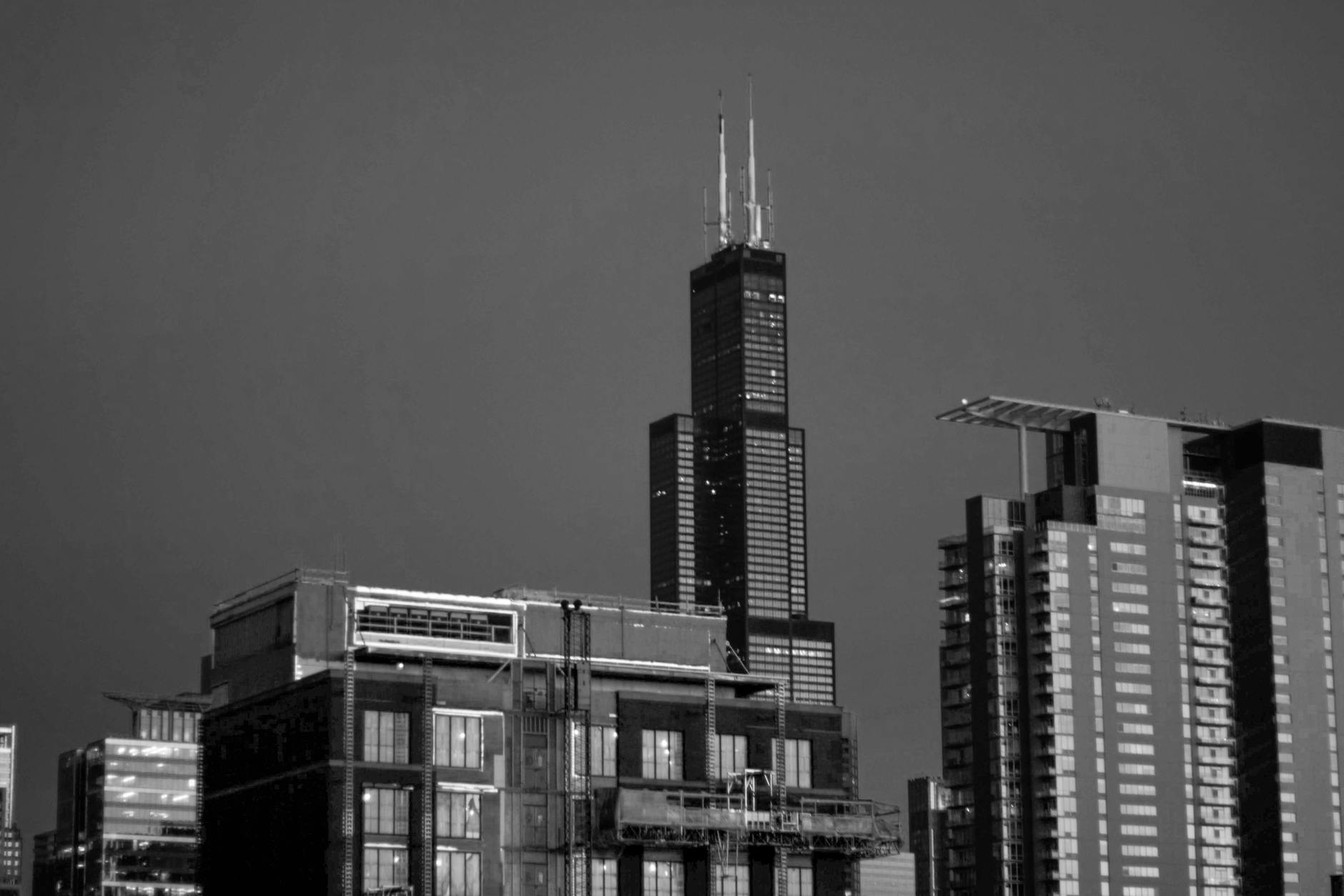
A quarter of the way through the 21st century, other lingering evidence of Sears’ long and proud history in the Chicago area include the third-tallest building in North America and the call letters of radio station WLS, which stands for “World’s Largest Store” for the four years Sears owned the station in the 1920s.

From leading company to holding some potentially valuable real estate. This is quite a fall over decades. It also has the potential to turn into something else if the real estate becomes something important down the road. While it probably will not lead to the rise of the next great retail company (and can that even happen in brick and mortar settings?), the reused or redeveloped properties could still benefit communities.

This does lead to a bigger question about any mass market retailer or restaurant. Yes, they generate revenue – or hope to – at each location. But what if the real estate portfolio is ultimately the biggest asset? What happens to that asset long-term if the company is no longer there?

Imagine 50 years into the future. Will there be any physical locations that remind people of Sears? The former Sears Tower will presumably still be there. Will any of the former Sears retail stores or warehouses or offices have any markers that talk about the once-large company?

How empty are American offices right now?

A headline of an analysis of office space and vacancies in the United States suggests “American offices are half-empty.” Is this true? Here is how the analysis starts:

Photo by Pixabay on Pexels.com

From Dallas and Minneapolis to New York and Los Angeles, offices sit vacant or underused, showing the staying power of the work-from-home era. But cleardesks and quiet break rooms aren’t just a headache for bosses eager to gather teams in person.

Investors and regulators, on high alert for signs of trouble in the financial system following recent bank failures, are now homing in on the downturn in the $20 trillion US commercial real estate market.

After detailing the economic effects of this, particularly how banks might be affected, here is some evidence for the headline:

Office properties have been getting hammered the hardest. Hybrid work remains popular, affecting the rents many building owners can charge. Average occupancy of offices in the United States is still less than half March 2020 levels, according to data from security provider Kastle.

And then it is back to the possible fallout, including:

Trouble may build as the economy slows. Hill thinks US commercial property valuations could fall roughly 20% to 25% this year. For offices, declines could be even steeper, topping 30%.

The headline suggests half of offices are empty. The primary piece of evidence in the article says that average office occupancy “is still less than half March 2020 levels.” Does that mean average office occupancy was 100% in March 2020? Does this mean half of office buildings have no people in them? Even if the real figure about empty offices is 30% or 40%, this would be a big number with lots of ramifications.

An earlier article on the same site had a similar headline and evidence. From early March 2023, the headline: “Offices are more than 50% filled for the first time since the pandemic started.” The evidence:

Office occupancy across 10 major US cities crossed 50.4% of pre-pandemic levels for the first time since early 2020, according to security swipe tracker Kastle Systems. That marks the first time occupancy has crossed the 50% mark since March 2020, when many offices sent workers home because of Covid.

Again, the comparison is pre-COVID levels, not necessarily 50% of total possible occupancy. Again, this is a significant change that is a little different than claiming offices are more than 50% filled.

This all might be pedantic, but, if we should pay attention to offices, working from home, and the consequences of changes to commercial real estate, what are the actual figures regarding how much office space is occupied and/or leased?