
I found crosses on church buildings and online profiles are somewhat common but why bother with building architecture when cross necklaces are trending?
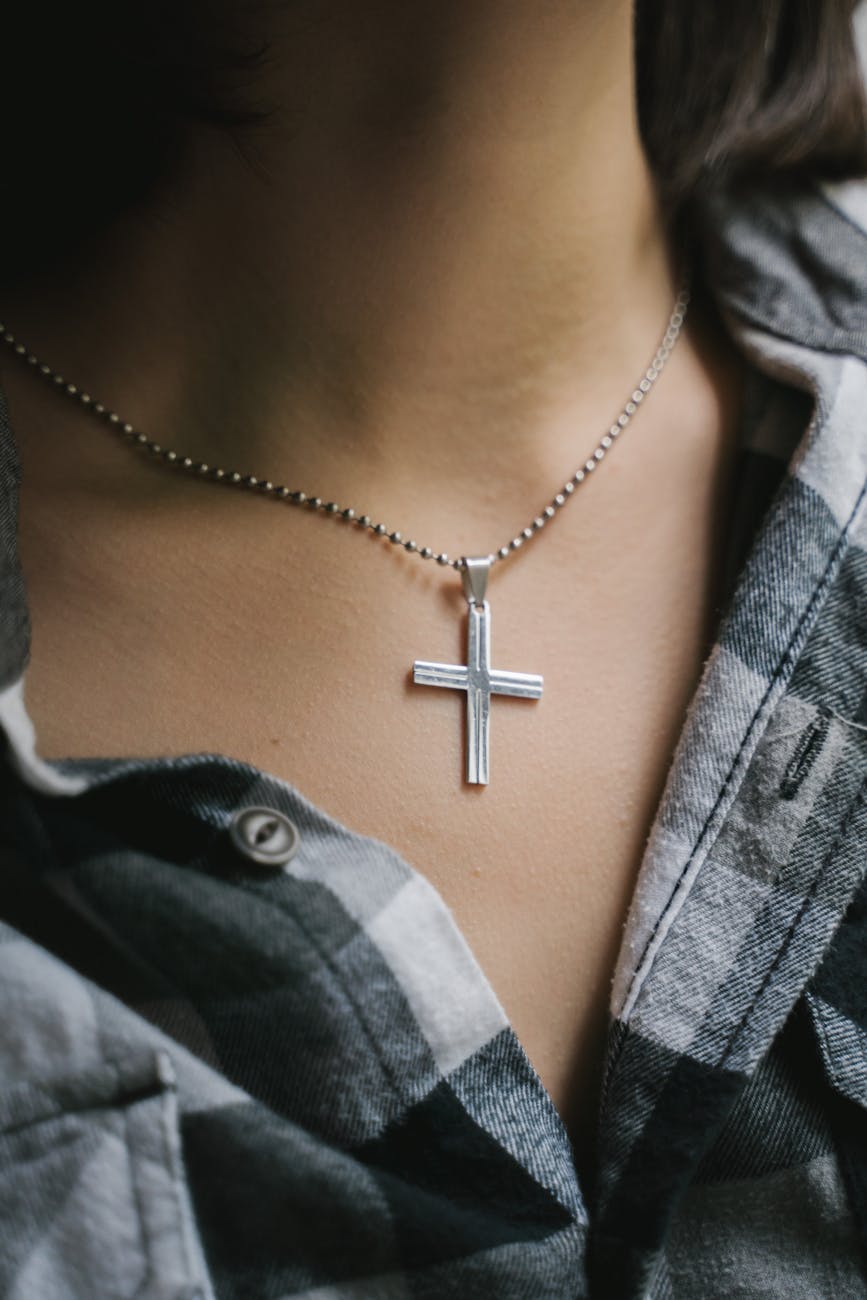
As a millenniums-old symbol of Christian faith, the cross would seem somewhat immune to trendiness. But cross necklaces and pendants have been in vogue before and may be again as some feel more comfortable embracing their faith and seek community with others.
On red carpets, on social media, at protests by high-ranking Democrats and in the White House, necklaces with cross pendants are appearing with renewed prevalence. Chappell Roan wore an oversize one to the MTV Video Music Awards in September, and one dangled from Sabrina Carpenter’s neck in the music video for her single “Please Please Please.” The trendy online store Ssense sells them in nearly 50 variations, and mainstream jewelers like Kendra Scott and Zales carry numerous designs.
Lately, the cross necklaces flash across cable news screens several times a week, suspended between the collarbones of Karoline Leavitt, the White House press secretary, and Attorney General Pam Bondi…
Over centuries, the cross evolved as a signpost of the moral compass one shares with fellow Christians and a kind of talisman with deeply personal significance. “They have an official meaning but people bring their own meaning, which is where symbols really get their power,” said Mr. Covolo, 58, who in 2020 published a book about the link between Christianity and fashion.
The article suggests two primary reasons for more worn crosses: (1) strengthening/expressing one’s own faith and (2) identifying with religious communities. This speaks to two important elements of religious faith: knowing and living out one’s one faith and participating in community with others.
At the same time, this seems like it is part of the larger pattern of individualizing or privatizing faith in the United States. The individual makes choices regarding their faith and practice. They choose to display it or not. They pick a level of involvement that works for them and their stage in life. A necklace or pendant can be added and taken off. (This might be contrasted to religious tattoos, for example, that are more permanent.)
This all makes sense in a religious marketplace where the consumer is the key actor. Crosses on church buildings or online profiles could function in similar ways: religious communities have to brand themselves as a cross is a known marker of the Christian brand.
Would cross necklaces and pendants be something different in societies with other settings?
 Legally Sociable