
The National Highway Traffic Safety Administration is running radio ads that tell people to follow the speed limit in order to increase safety on roads. From their website:
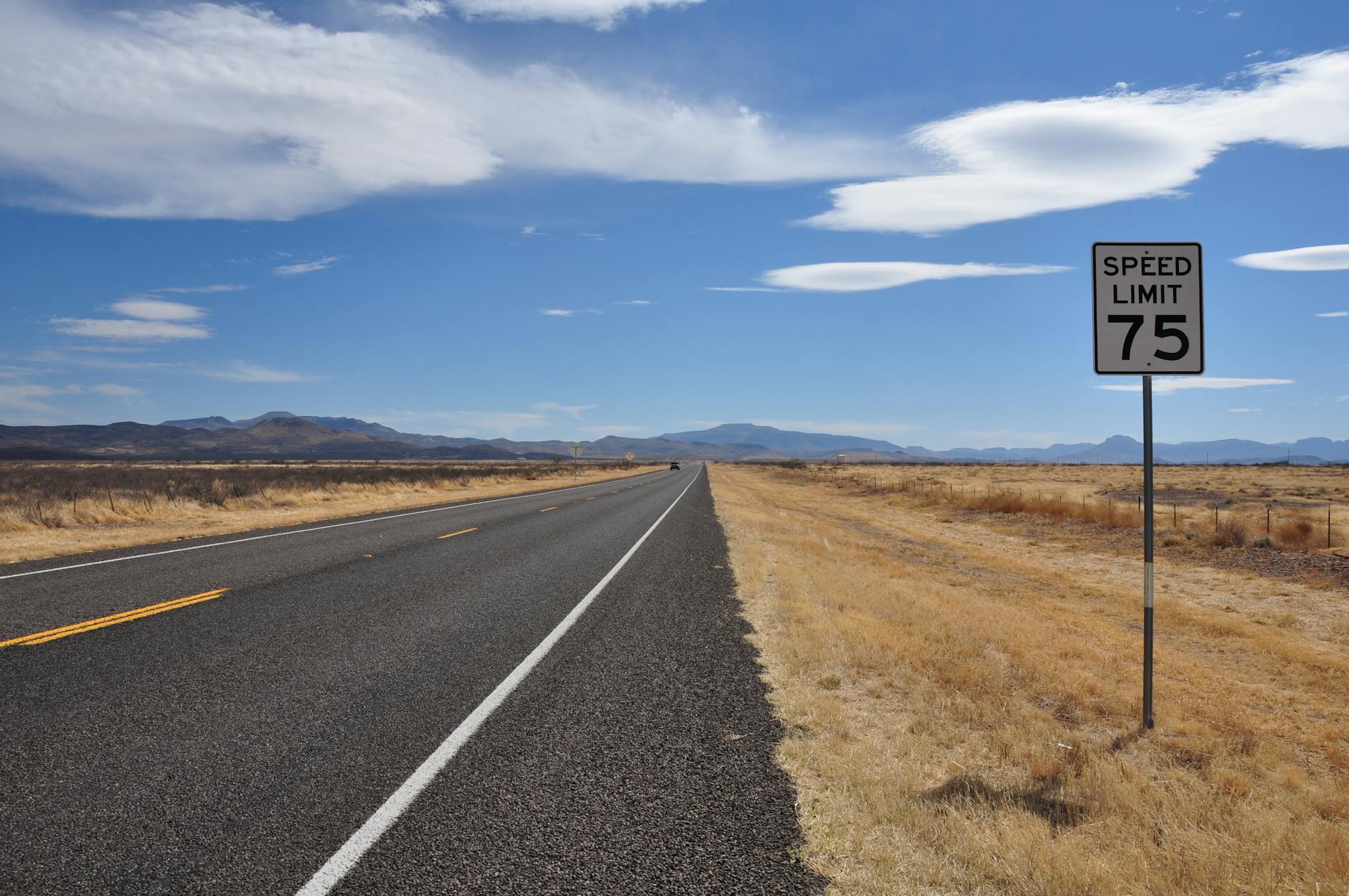
For more than two decades, speeding has been involved in approximately one-third of all motor vehicle fatalities. In 2022, speeding was a contributing factor in 29% of all traffic fatalities.
Speed also affects your safety even when you are driving at the speed limit but too fast for road conditions, such as during bad weather, when a road is under repair, or in an area at night that isn’t well lit.
Speeding endangers not only the life of the speeder, but all of the people on the road around them, including law enforcement officers. It is a problem we all need to help solve.
Traveling at higher speeds mean it is harder to control a vehicle and those vehicles that do hit other things sustain more damage.
But speed limits can also serve other goals. Perhaps they are also about traffic and the number of vehicles on the roads. Having fewer vehicles means it is possible to go faster, having more vehicles means going at a slower speed makes more sense. Hence, more variable speed limits on highways as speed limits adjust to traffic and conditions.
Speed limits can also be about fuel efficiency. With limited gas supplies in the 1970s, officials reduced speed limits in the United States in 1974:
The National Maximum Speed Limit (NMSL) was a provision of the federal government of the United States 1974 Emergency Highway Energy Conservation Act that effectively prohibited speed limits higher than 55 miles per hour (89 km/h). The limit was increased to 65 miles per hour (105 km/h) in 1987…
The law was widely disregarded by motorists nationwide, and some states opposed the law,[3][4] but many jurisdictions discovered it to be a major source of revenue. Actions ranged from proposing deals for an exemption to de-emphasizing speed limit enforcement. The NMSL was modified in 1987 and 1988 to allow up to 65 mph (105 km/h) limits on certain limited-access rural roads. Congress repealed the NMSL in 1995, fully returning speed limit-setting authority to the individual states.
Driving too fast on the highway lowers fuel efficiency – see this table from the Department of Energy.
And speed limits can vary by place and local norms. For example, see this discussion about changing highway speed limits in Montana:
Montana, once known for its wild, limitless roads, did not want to be left behind as other Western states increase their speed limits. Idaho, Nevada, South Dakota, Utah and others have set 80 mile per hour speed limits on at least some sections of road.
 Legally Sociable