Gen Z headed South looking for cheaper and bigger houses?

Sunbelt populations are growing. One reason is because Gen Z is moving to the South for housing:
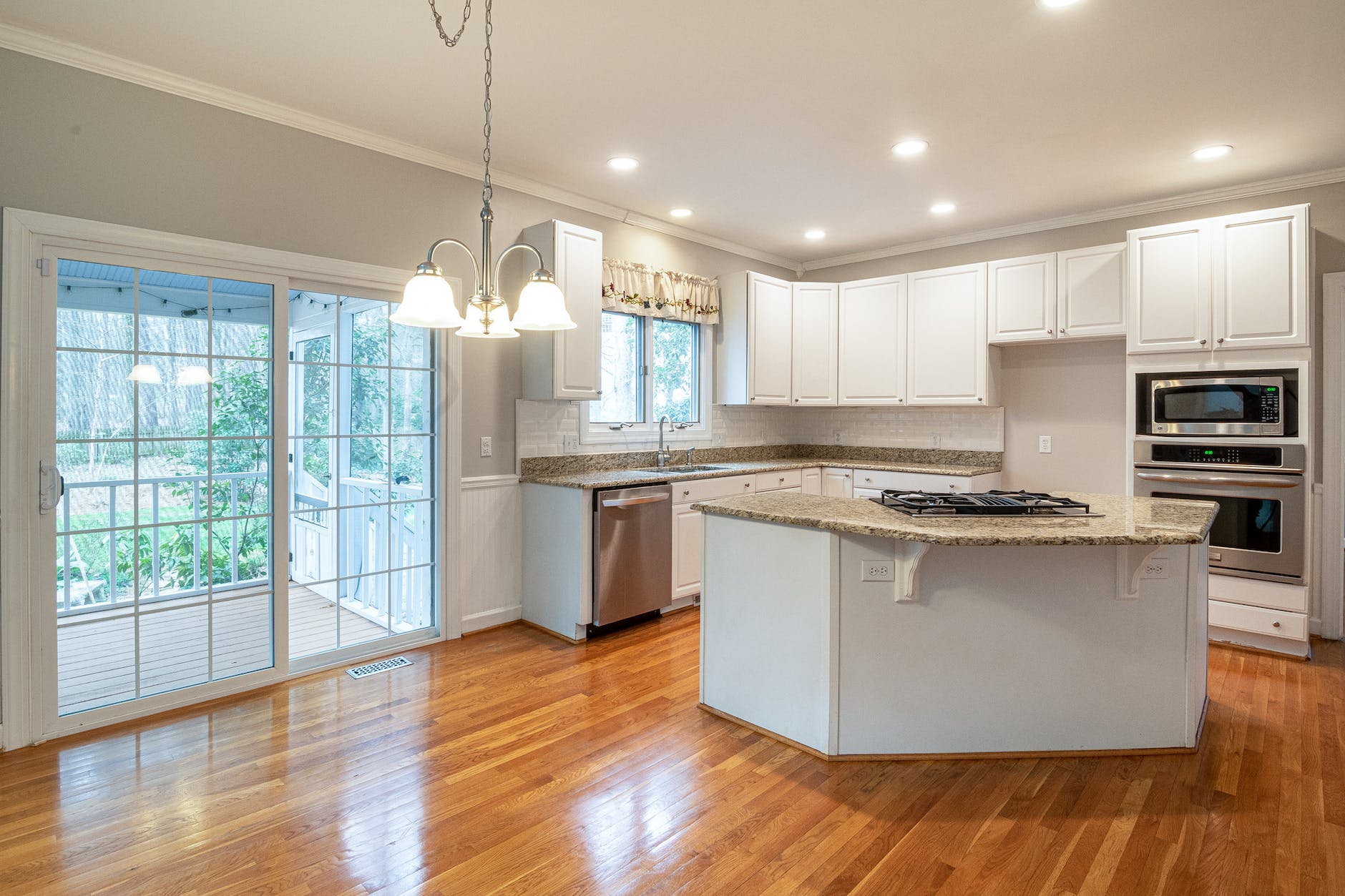
Photo by Curtis Adams on Pexels.com

Traditionally, younger generations have flocked to cities to start their careers and enjoy the hustle and bustle of urban life. However, Gen Z is proving to be a little different, with more and more moving to the South in favor of large outdoor spaces, low cost of living and a slower pace of life…

The Southern region boasts more affordable housing and living space, which is becoming increasingly attractive to Gen Z as well as some Millennials and older adults who are fed up with cramped city life.

According to Storage Cafe, the average floor area of single-family homes sold in the South increased by 60 square feet between 2019 and 2022, meaning the average is now 2,608 square feet…

And since Gen Z is more likely to rent rather than own a home currently, it makes sense that more of the younger generation would be seeking out spaces where housing costs are cheaper.

I would be interested in seeing more numbers here. Are Gen Z movers doing so at similar rates as other Americans?

Is one of the side effects of all this movement a point where housing and opportunities in the South are no longer as attractive?

The final part of the article hints at the possible political ramifications of these moves. I would want to hear more about how younger adults might transform communities and day-to-day life in other ways. Is this a continuation of the American suburban dream with more liberal politics thrown on top?

Census 2020 looking to go online

Reaching younger Americans is part of the reason plans are underway to move parts of the decennial 2020 census online:

Millennials (born from 1981 to 1996) and Generation Z (born after 1996) account for about 35 percent of the approximate 325 million people in the U.S., according to estimates, and census officials say their traditional means of outreach — mail-in questionnaires, landline phone calls and door-to-door surveys — are failing to connect with this significant segment of the population.

The Census Bureau plans to conduct its first-ever online headcount, which it predicts will generate 60 percent of the total responses for 2020…

However, social scientists suggest that millennials and Generation Z could have a hard time appreciating the importance of the census, having grown up amid a distorted media landscape of instant online gratification, “fake news” and a culture of likes on social networks…

Last month, census communications chief Burton Reist was quoted as saying endorsements from celebrities such as LeBron James are being considered. He described a hypothetical situation in which the NBA superstar urges young people during halftime to pull out their cellphones and “answer the census.”

Moving data collection online would seem to offer a lot in terms of lower costs and easier data tabulation. But, as the article suggests, it brings along its own issues such as cutting through the online clutter and working with celebrities to pitch the online data collection.

On one hand, this might lead to the conclusion that it is still difficult to use web surveys to collect information on a broad scale. Unless a research company has a panel of possible participants in a recruited and relatively representative panel, reaching the broader public on a voluntary basis is hard.

On the other hand, perhaps this should be taken as a good sign: the Census Bureau clearly indicates their data collection has to match what people actually use. Going door to door may not be feasible going forward. If people are online or using devices for hours a day, online surveys might be more attractive.

Almost regardless of how this turns out in the 2020 count, it will be an interesting experiment to watch. What will the online response rate be? How will the Census Bureau have to go about advertising online data entry?