
Suburban strip malls and office buildings now house more blood plasma centers:
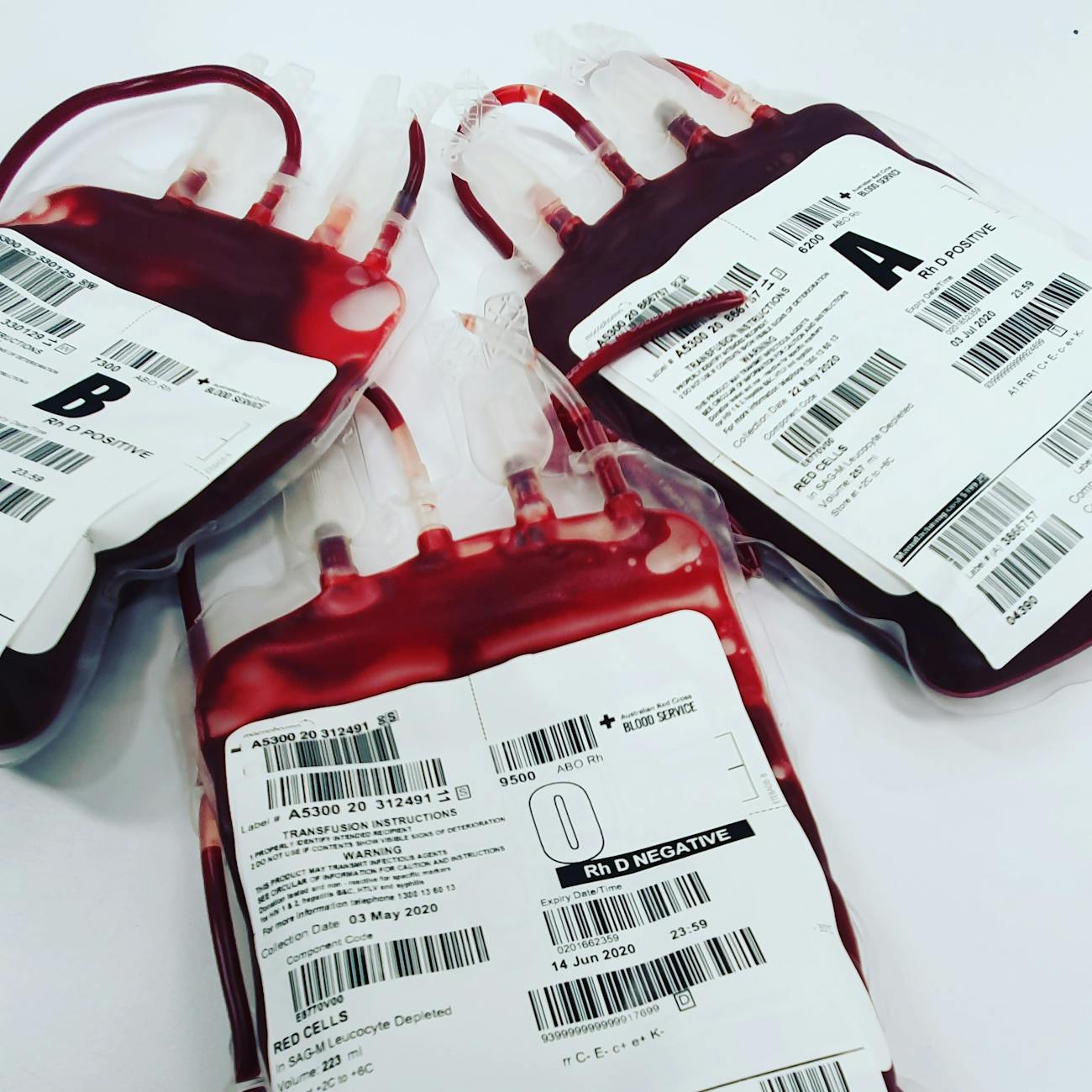
Every day, an estimated 215,000 people donate plasma, the yellowish liquid component of blood. Mr. Briseño is among them. He is not jobless or facing eviction, but, like many in the American middle class, he is caught in the vise of rising expenses and wages that aren’t growing fast enough to cover them. So he is turning to a method more commonly associated with the lowest-income Americans. For people like him, an extra $600 or so a month can mean making a mortgage payment or covering increased health-insurance costs.
While no one publishes statistics on the exact incomes of people who sell their blood plasma, the location of the centers suggests a shift toward a less financially desperate clientele. A recent study by researchers at Washington University in St. Louis and the University of Colorado, Boulder, observed that while older plasma centers are clustered in low-income areas, newer centers were increasingly likely to open in middle-class neighborhoods. A New York Times analysis shows the trend has continued: Centers have sprung up in more than 100 such neighborhoods, in suburbs and wealthier sections of cities, since researchers finished collecting their data in 2021…
For decades, plasma centers have been concentrated largely in impoverished and under-resourced neighborhoods and faced charges of exploitation. In her 2023 book, “Blood Money: The Story of Life, Death, and Profit Inside America’s Blood Industry,” Kathleen McLaughlin explored how plasma centers targeted, among others, laid-off autoworkers in the Rust Belt and communities along the U.S-Mexican border.
The article interprets the findings as even the people who made it to suburbia – often assumed in American society to be wealthier – also feel the financial need to donate plasma.
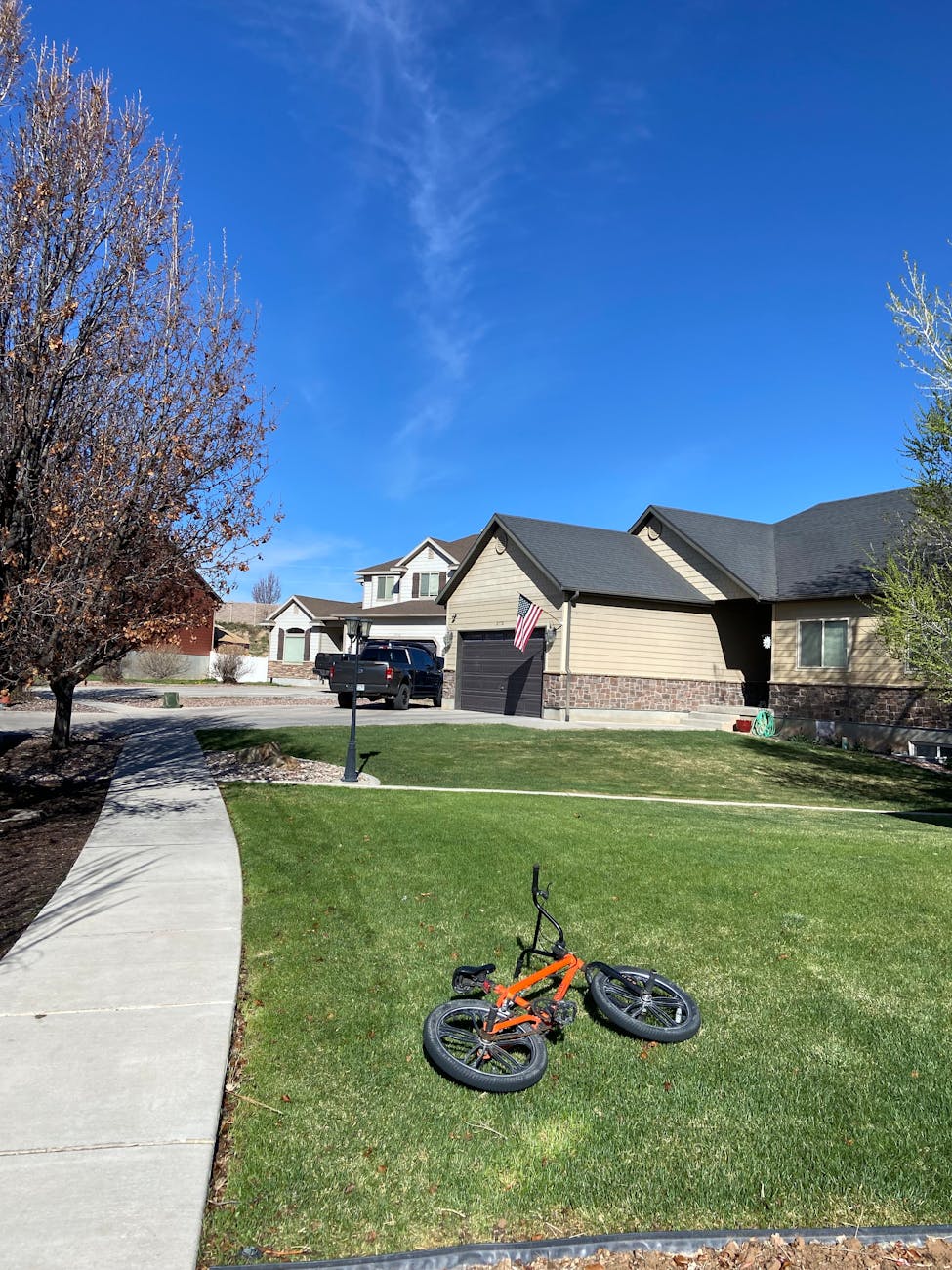
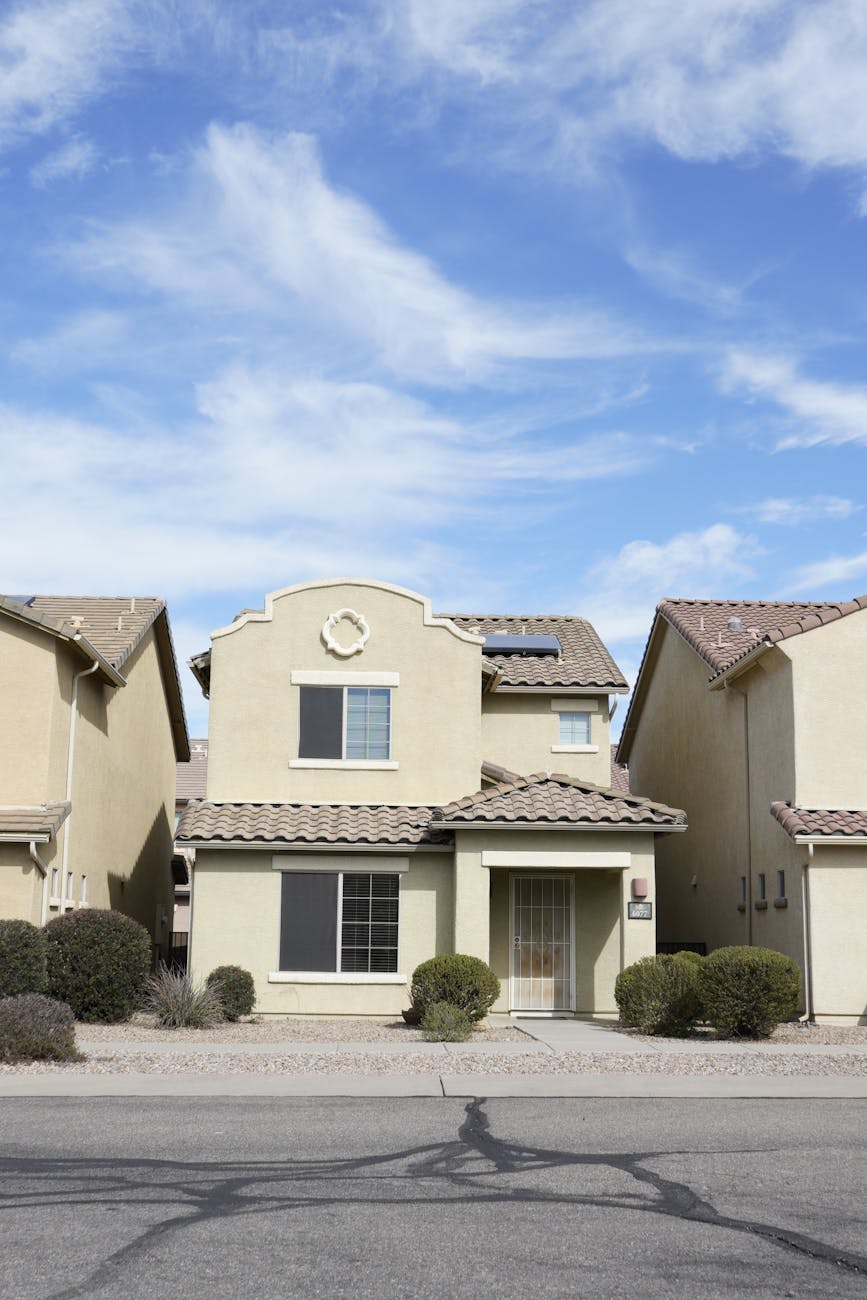
But I wonder if this is the best way to interpret this. Suburbia is much more complex and diverse than the images of white and wealthier bedroom suburbs in the postwar era. The era of a single earner supporting a growing suburban family is long gone. Across metropolitan regions, a variety of residents live with wealthier communities right next to working-class communities, places with lots of white collar jobs near places with manual labor and working-class jobs.
And what if this is not just about financial need. For Americans of different social classes, what do they see as moral or permissible to sell or do if they need money? What if the perceptions about selling plasma have changed more broadly in American society?
Or what if this is more about expanding markets. If there are already concentrations of plasma centers in lower-income neighborhoods, perhaps this is the next stage of finding more people to donate. The other areas are already saturated; this is a growing industry. The article says there are billions of dollars at stake in the industry.
I have not seen any local suburban concerns about this but I wonder if some communities or leaders or residents see plasma centers as a negative use of land in the kind of community they are in.
 Legally Sociable