
Fixing up mobile homes offers an opportunity for some to make money:
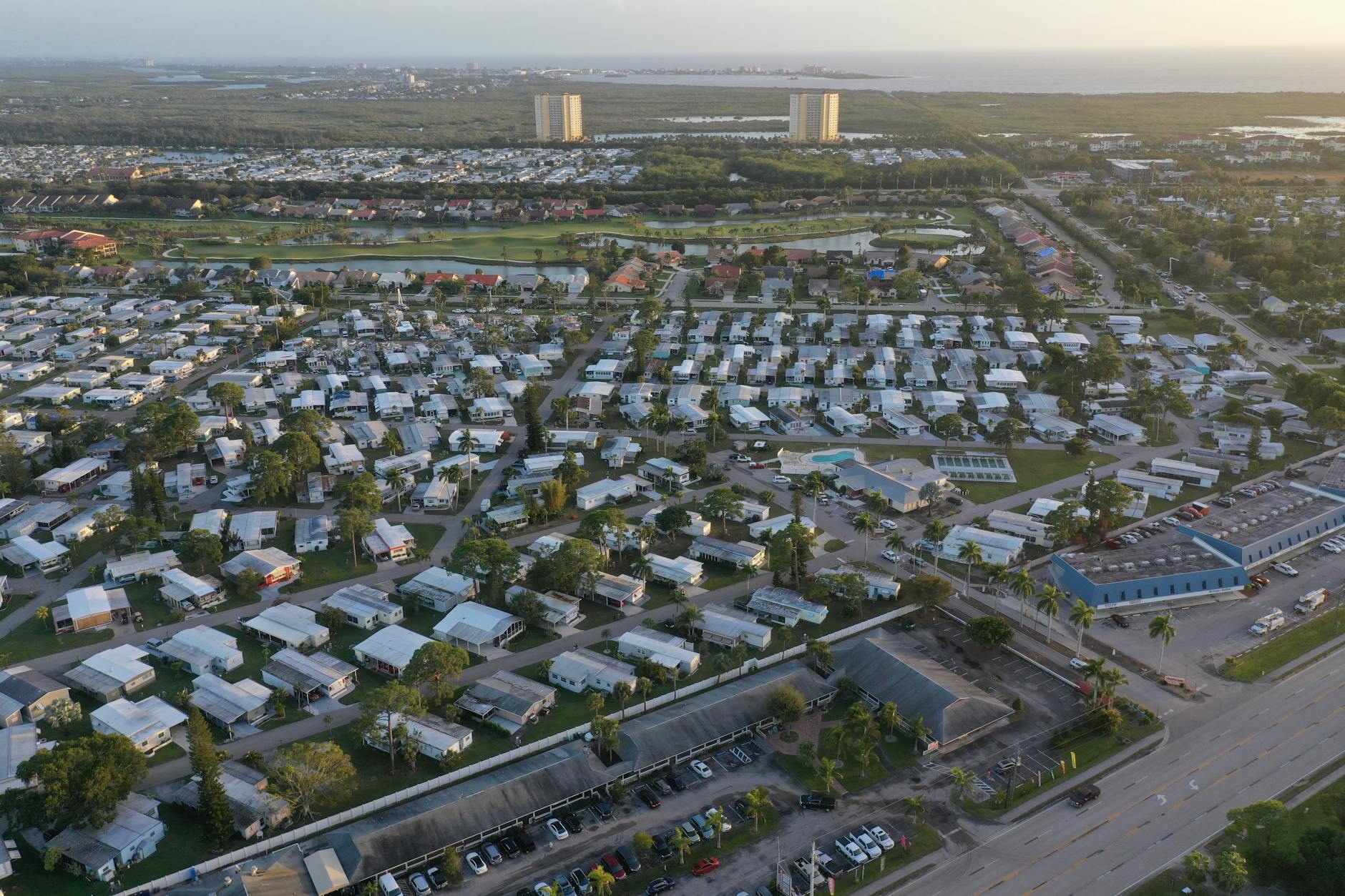
This is mobile home investing, an unsexy, little-known sector that happens to be recession-proof, meeting a nearly bottomless demand, and earning some of the best returns in the housing industry. Its low price of entry is allowing an entirely new crop of entrepreneur — many of them Black, as the Sellerses are, or coming from very modest backgrounds. (A 2021 survey by the National Association of Real Estate Investment Managers found that 73 percent of industry workers are white males.) With housing costs rising across America, many mobile home flippers are finding the opportunities so plentiful that they’re now training other wannabe real estate moguls in the practice, earning a significant chunk of their income from mentorships and tutorials that help more people like them enter the field.
While they don’t get a lot of attention, mobile homes — “manufactured housing” per marketing and policy wonks, or “trailers” in other circles — are the country’s biggest source of unsubsidized low-income housing, providing shelter to 21 million Americans. As the nation’s housing crisis grows, they’re becoming increasingly attractive to people who can’t afford a traditional site-built home. Between 2014 and 2024, the number of new manufactured homes shipped across the country increased by over 60%, according to census data…
The work does require a lot of elbow grease. Some units just need a good cleaning and a fresh coat of paint; others have rotted subflooring, old insulation, and broken windows that all need replacing. After that, the investor will have to market and sell them on Facebook Marketplace or Craigslist, either outright to a buyer or wholesaler, or through seller financing. Investors say the downsides of the mobile homes business aren’t much different from those of other real estate fields: homes that turn out to be in worse condition than the buyers had thought, difficult tenants, unscrupulous contractors.
The sector’s high returns are often characterized by desperation. Facing a lost spouse or job or some other hardship, sellers are often willing to dispose of a home cheaply because they need the quick cash. Buyers are hungry for something, anything, they can afford. They aren’t looking to build equity; they’re seeking shelter, at a time when both conventional homeownership and rentals have soared out of reach for many. Mobile homes exist in an alternate reality, one where a home purchase can be completed in a day without the help of attorneys or appraisers, where the cost of a used unit floats depending on its actual value to the buyer and seller.
An interesting look at the intersection of flipping culture – who doesn’t want to make money on housing? – plus a big need for affordable or cheaper housing across the United States.
Several questions come to mind:
- At what point do the returns on flipping mobile homes limit investor interest?
- How many people might be priced out of mobile homes because of flipping?
- Does any of this help raise the status of mobile homes which tend to have a stigma in many places?
- Would we ever see an HGTV show on flipping mobile homes? (Maybe not given their audience.)
 Legally Sociable