Geology and a favorable location for humans in Concord, MA

Why did Concord, Massachusetts, become the site of an opening battle in the American Revolution and later become identified with the transcendentalists? It was a favorable spot for human settlement:
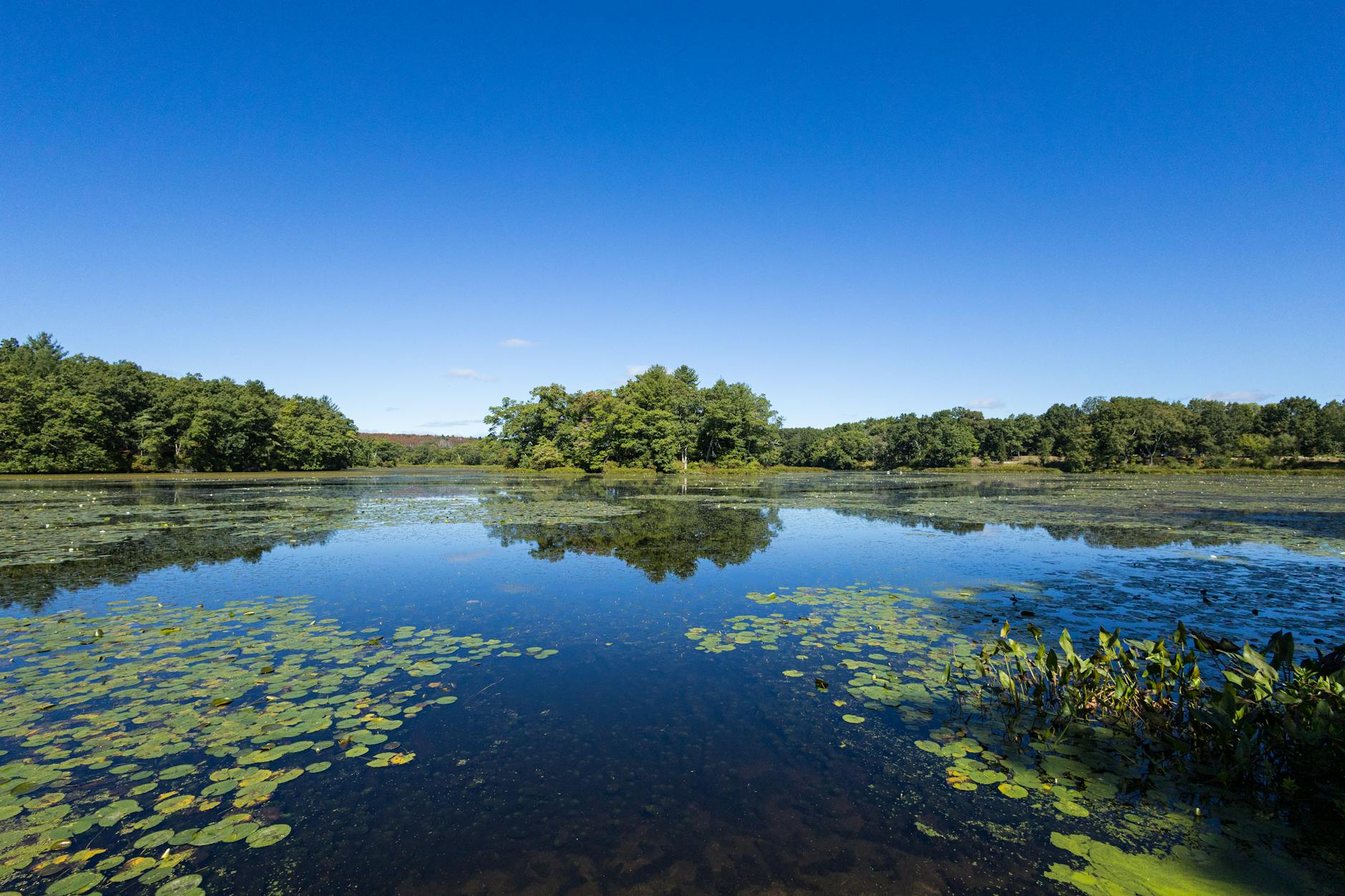
Photo by Phil Evenden on Pexels.com

The Concord River runs north, rather than southeasterly down the regional slope toward the sea. When the edge of the great ice sheet began to retreat from the area about 17,000 years ago, the Concord River was dammed up by the ice to create a ribbon-shaped glacial lake with a muddy bottom. Eventually the lake drained away, allowing the Concord River to cut an inner valley beneath a moist and fertile lowland.

This process set the stage for the creation of what the Indigenous Massachusett, Nipmuc, and Pawtucket peoples called Musketaquid, meaning “grass-ground river,” a marsh about 20 miles long and so flat and so uninterrupted that Thoreau skated the entire round-trip distance one freezing day—January 31, 1855. The languid stream passed through broad meadows to create a northern version of the Everglades (without the alligators). Nathaniel Hawthorne lived along the bank for three weeks before he discerned which way the river flowed.

This riparian ecology attracted colonists: Concord became the first English town in North America above tidewater, beyond the sight and scent of the sea. Here the lush growth of freshwater hay would undergird a system of English husbandry dependent on livestock. Here migrating shad, herring, and salmon thrived in the aquatic richness, furnishing plentiful protein sources, vitamins, and minerals. Here the firm, muddy banks made an ideal habitat for the freshwater mussels on which other animals depended: muskrat, otters, turtles, human beings. On July 3, 1852, Thoreau estimated that more than 16,335 freshwater clams lay along 330 feet of the riverbank. Migrating waterfowl followed the meadows. Songbirds nested along their edges…

The physical separation between Boston and Concord involves more than the linear distance between two points. The population centers occupy different watersheds—the Charles River watershed to the east and the Concord River watershed to the west. In fact, they lie on different bedrock terranes that originated in different places in different eras. The terrane boundary coincides with the Bloody Bluff fault, named for a rocky notch where British troops were trapped by ferocious provincial fire. Here the land leans toward the security of the sea. To the west, it leans toward a hinterland where pioneering residents looked to one another for community support. Without the Lexington Road and its regular stagecoach traffic, 18th-century Concord would have remained an agricultural village. Instead, it became a prominent node in an expanding trade network. The significance of the watershed divide between country and city diminished only after the Fitchburg Railroad reached Concord in 1844.

I cannot remember who said it but I recall a quote where someone says if someone wanted to start a great city today, it would be really hard because all of the good locations have been taken. The geology and ecology of Concord made it good spot for humans to settle.

To take into account the geography and ecology of land and places will continue to be important, even in an era when it is easy to ignore the physical features of places. In the world of Internet and airplanes, everything seems accessible from anywhere. But this is not true: certain places have particular advantages with access to water, protected settings, mineral resources, land for farming and livestock, good spots along trade routes, and more. Some of this can shift over time; does it matter as much today as it did in the past that Chicago was a key portage location between the Great Lakes and the Mississippi River watershed? And this could change in the future: particular locations might have new advantages in the future as the earth and societies around the world change.
Trying to remember the farm life that came before today’s suburbia

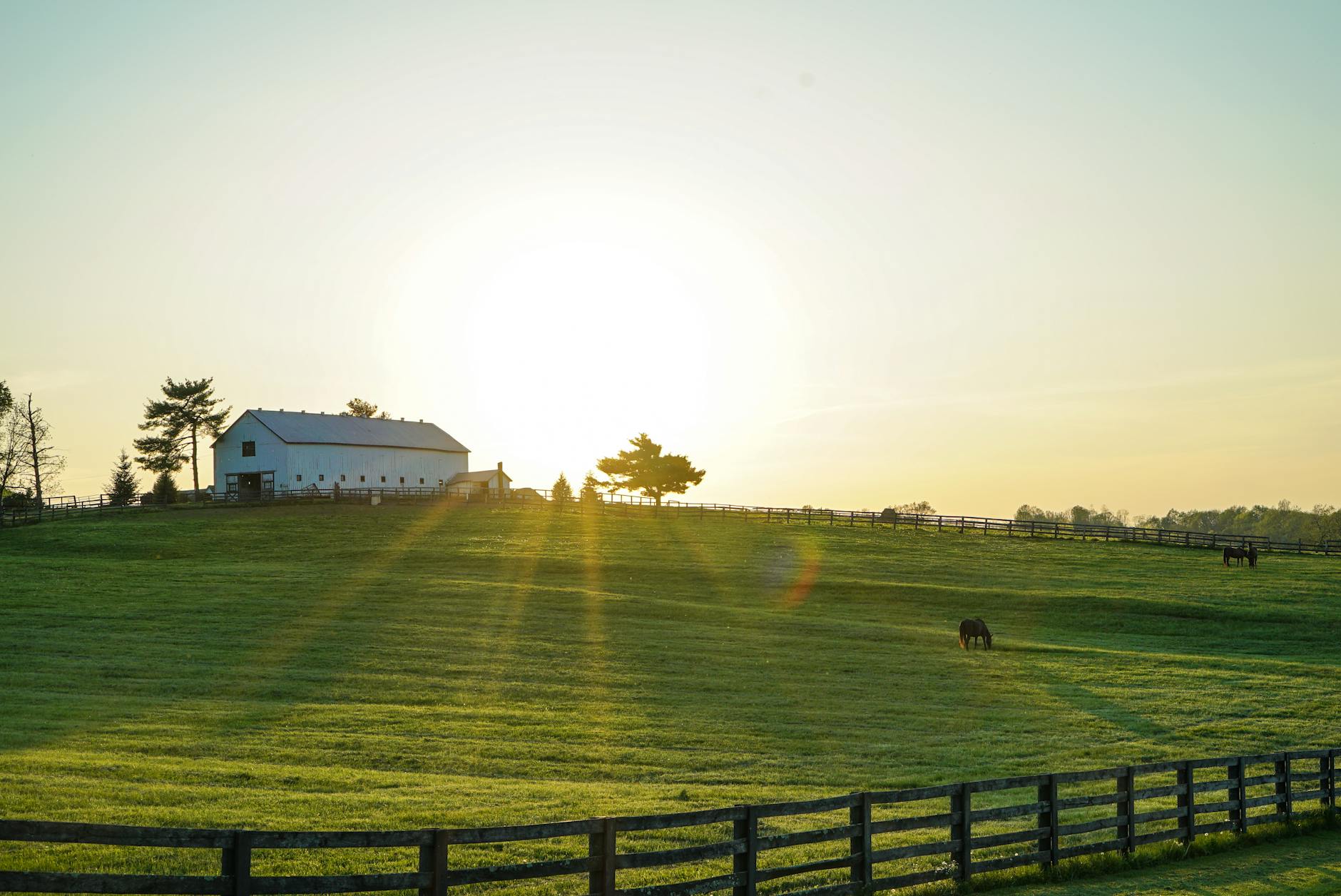
I was recently looking at aerial photographs of our suburban area from nearly 100 years ago. The outline of suburban communities were there – small sets of houses clustered around railroad lines – but much of the land use involved farming plots. Today, hardly any of that farm land can be seen, let alone evidence of farming life. How can suburban communities remind people of that past?

Photo by Brandon Randolph on Pexels.com

An editorial in the Daily Herald suggests preserving an old farmhouse and providing exhibits and demonstrations can help suburbanites today:

The Forest Preserve District of DuPage County is seeking formal statements of interest from individuals or organizations with a vision for rehabilitating and reusing the 1850s farmhouse at the southeast corner of Greene and Hobson roads…

Our hope is that it could pave the way for Oak Cottage — and a neighboring barn — to someday become an educational resource similar to Kline Creek Farm, a forest preserve district-owned living history museum in West Chicago that depicts what local farm life was like in the 1890s…

Restoring the farmhouse — along with opening the Greene Barn to the public — could help educate future generations about DuPage County’s farming past. We applaud forest preserve officials for at least being open to one of those ideas and wanting to partner with a group to breathe new life into Oak Cottage.

Such efforts can have multiple benefits:

  1. It helps people know their local history. If suburbs are sometimes characterized as “no places” as people move in and out or the landscape looks similar to any other suburbs in the US, such sites can remind people of a particular local history.
  2. It could remind people of a particular connection to land and nature beyond that of suburban lawns. Farming can involve intense agricultural and livestock activity but this is a different interaction with soil and creatures than what suburbanites typically experience.
  3. Land and places go through change. Prior to farming, Indigenous groups lived in the area. White settlers starting in the 1830s cleared much of the land for their preferred methods of subsistence. Sprawling suburbia picked up in the postwar era, leveling the landscape for single-family homes and roadways. The future use of land does not necessarily have to look like it does now.

Booming coyote population in the Chicago suburbs

Coyotes also want to live in the suburbs:

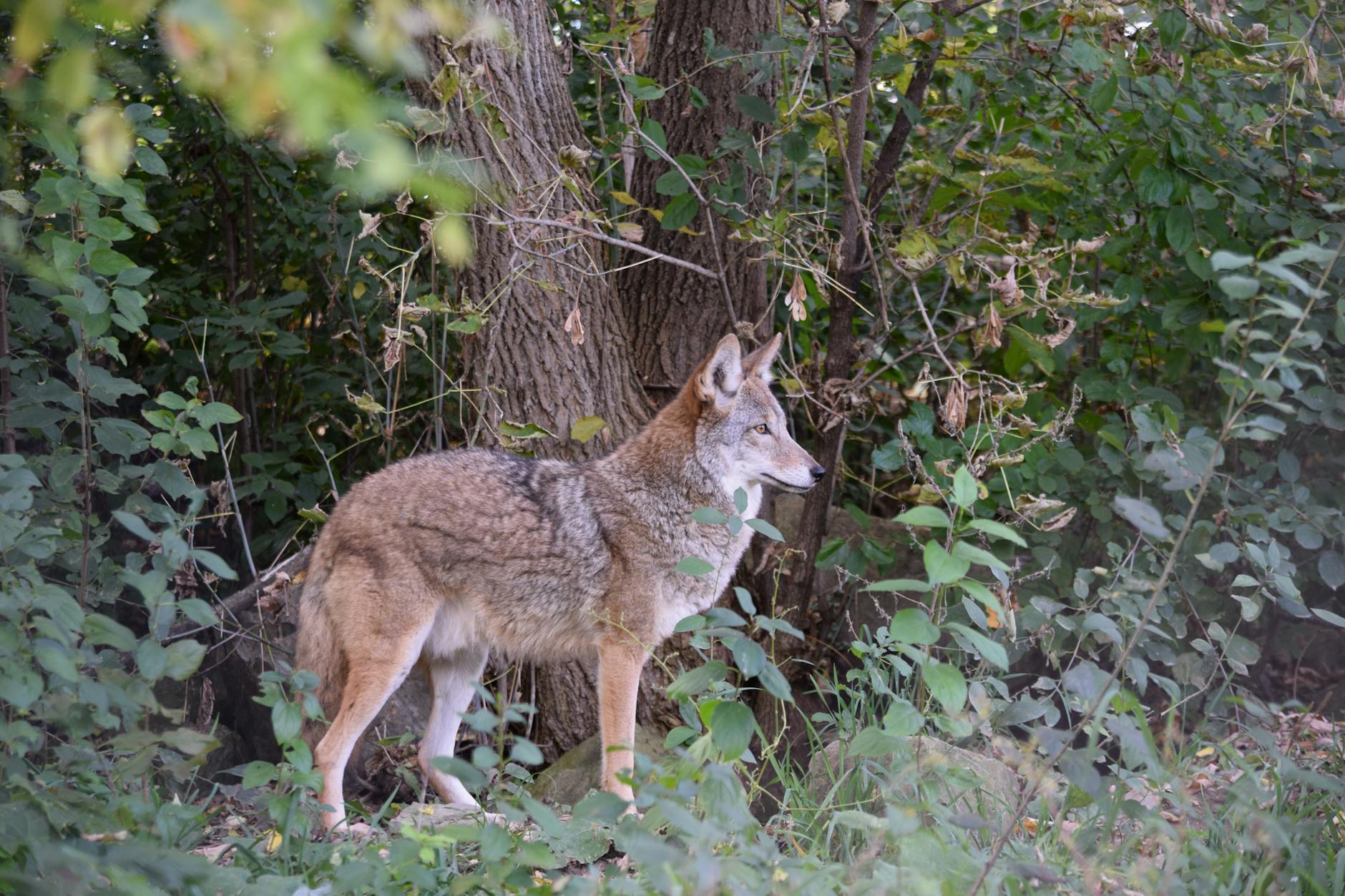
Photo by Michelle Chadwick on Pexels.com

The suburban coyote populations are growing rapidly which means there will likely be more interaction with people but both Erickson and Ramono say it’s not really the coyotes’ faults.

“We invited them when we built all these suburbs,” Erickson said. “We said, ‘Hey, there’s more food here. There’s more habitat here.’ We invited these animals in here.”

They say when we experience mild winters three to four years in a row, the population can increase 18 to 27 percent. The old and sick and late-littered animals survive, animals that would normally would die off.

In five years, the population could double.

They also say rural coyotes may only live two years because there are pressure on them. In suburban areas, we have coyotes live to 13-years-old because of the all of food and the lack of pressure.

I have seen coyotes running across busy four-lane suburban roads and through suburban backyards. I have heard them howl at night in an open field next to a neighborhood. I have read plenty of online claims regarding the threat of coyotes to local pets. Coyotes are now fixtures in suburban Chicagoland.

They are evidence that some species can thrive in suburbia. As noted above, suburban areas provide food and places to live while limiting pressure (competition for food? predators?). The typical suburbanite may not like their presence but coyotes are here to stay for now.

At what point would communities take action against coyotes? When I have read online claims of the threats to pets, I could imagine that an uptick in coyote/pet interactions could move people to act given the love Americans have for their pets. Or perhaps signs of coyotes taking out other wildlife that suburbanites like or are used to.

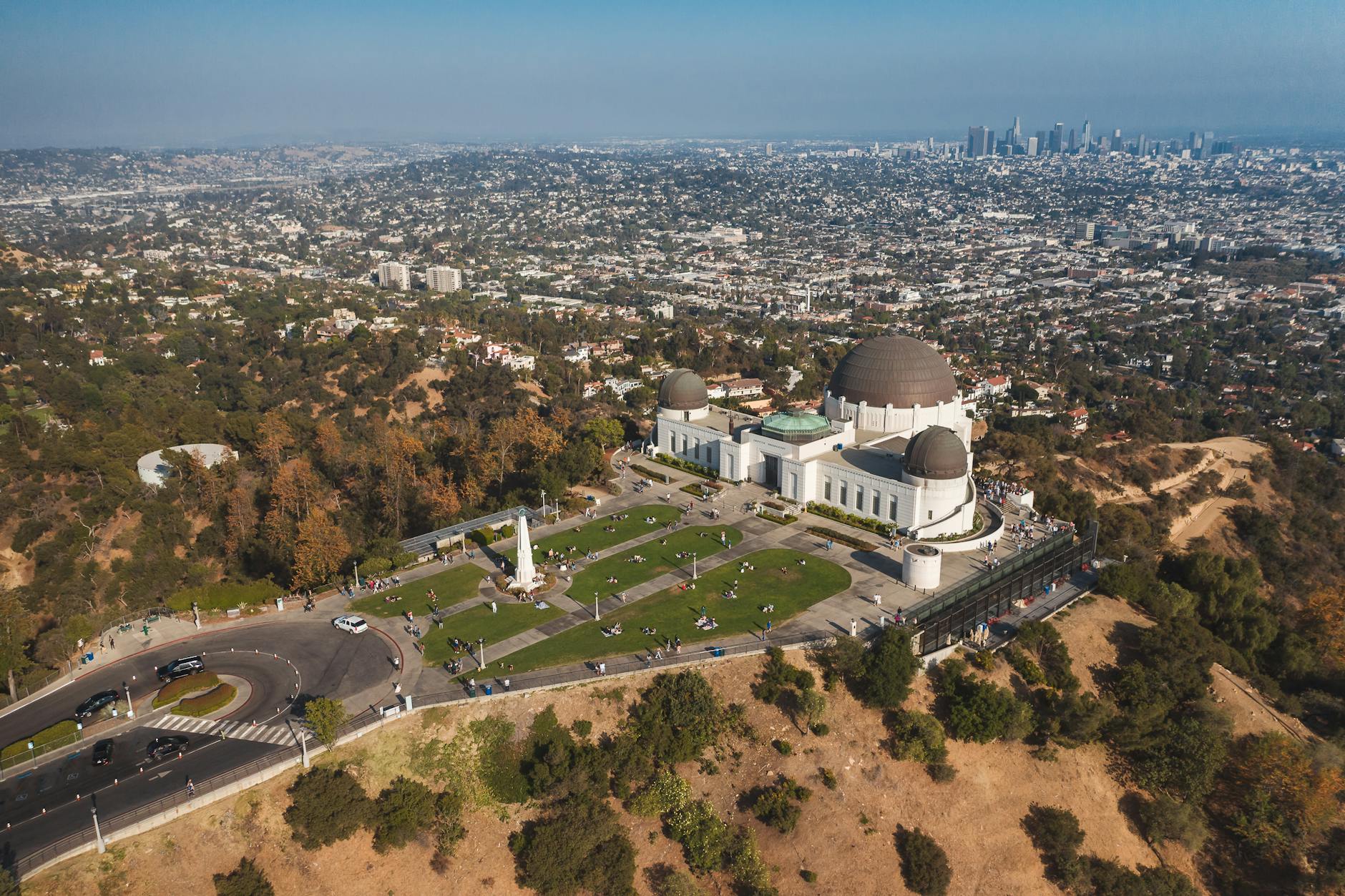
Is this “the best city park in America”?

Here is one argument for Griffiths Park in Los Angeles as the best urban park:

Photo by RDNE Stock project on Pexels.com

At 4,210 acres, Griffith outshines other extraordinary city parks of the US, such as San Francisco’s Golden Gate, which barely tops 1,000 acres, and New York’s Central Park, a mere 843 acres. Griffith’s peaks tower above those flat competitors too, with nearly 1,500 feet in elevation gain, making it practically vertical in orientation. And LA’s crown jewel of a park is still largely uncut, much of it remaining a wilderness area preserved more than 100 years ago, and barely developed, unlike the pre-planned “wild” designs of Golden Gate and Central Park.

Add its history, views, recreation opportunities, unique and hidden spaces, a free Art Deco observatory and museum, the most famous sign in America and the park’s overall star-power, and you have a compelling case that Griffith is not just epic in scope but the greatest city park in the nation.

There’s something for everyone there: a zoo, playgrounds and an old-timey trainyard for the kids; challenging and steep trails for hikers; dirt paths for equestrians; paved roads for bikers; diverse flora and fauna for nature enthusiasts; and museums for the science and history learners.

Two features stand out in the above description. First, the sheer size of the park. This is very unusual in large cities as they have some space for parks but also have many other land use demands. Second, the variety of features and activities in the park. There is not just one thing to do here; there are numerous options serving different groups.

Given that this is Los Angeles, what might this land be if it had been open to developers? Given what is on some of the other hills, just more expensive houses?

And how much can the claim that the park is “barely developed” matter when it is exposed to the pollution in the region and the activity of many nearby humans?

To settle this, how about a national city park contest? There are a number of important parks and there are a lot of different criteria that could be used.

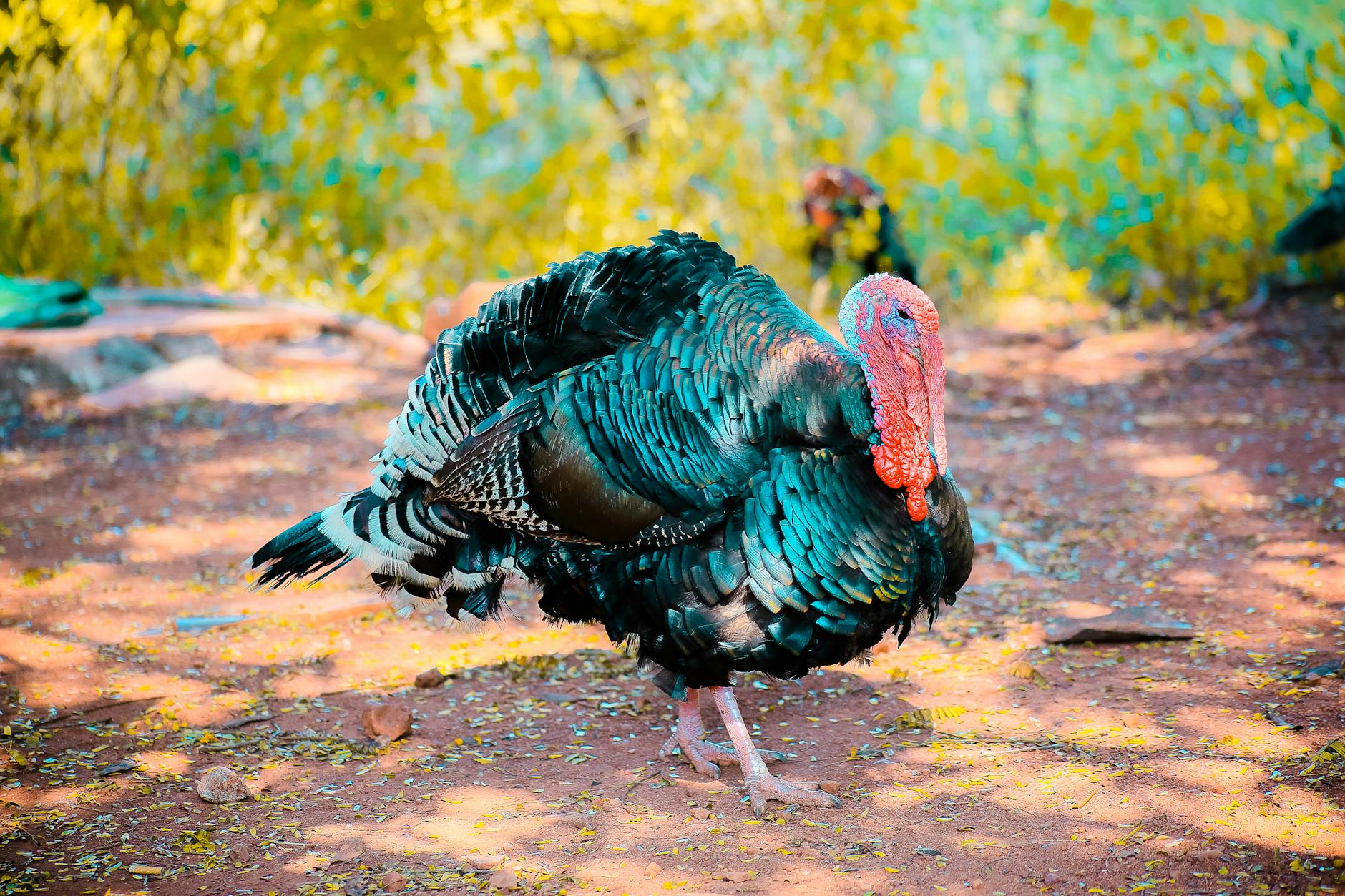
Searching for wild turkeys in suburbia

Stories about wild animals in suburbia are all over the place. Bears. Coyotes. Bison. Bald eagles. How about adding turkeys to the list?

Photo by Kranthi Remala on Pexels.com

I began to see the birds walking on the streets of Wheaton in small groups. I had never seen wild turkeys in a residential area before. I quizzed people about the birds and nobody in the area was surprised by their presence.

I asked people from out of the area about the birds and they thought I was insane. I carried photos I had taken in my neighborhood to prove my sanity. People could not believe the Wheaton turkeys truly existed.

The reason this story caught my eye was because of my own encounter years ago with a rafter of turkeys along the Prairie Path. Because I came upon the turkeys quickly and then passed through them, I did not have much time then – nor have devoted attention since – to considering where the turkeys came from or where they went. The county has a lot of forest preserve land; perhaps there are turkeys all over the place in those spaces?

The sight of wild creatures in the suburbs may astound but I would guess many suburbanites would be hard pressed to show where animals live in the suburbs. They might be able to find the rabbits that live under their deck but where did that fox come from? Or where do those Canadian geese go at night? Does that circling hawk live nearby? And so on. The suburbs may offer their residents proximity to nature but that nature can be elusive.

Acting at multiple levels to provide alternatives to lawns in a Minnesota suburb

If residents and leaders want more options to grass lawns available, who needs to act? This story about working to provide spaces for “the endangered rusty patched bumblebee” in one Minneapolis suburb describes what happened:

Photo by Abdul7amid Al Fadhly on Pexels.com

The city of Woodbury in recent years has made native landscaping and pollinator gardens more intentional in some of the city’s 500 stormwater basins. The homeowners associations that rule many of Woodbury’s residential developments, dictating everything from front door colors to permitted landscaping, have become more lenient. The just-built Westwind New Home Community has in its recorded covenant a stipulation that allows homeowners to use native plantings and shrubs.

The Legislature weighed in last year with a new law saying cities cannot ban pollinator gardens or native plantings in front yards, opening a path for those who want to create a bee-friendly spot. The conflict got widespread attention after the city of Falcon Heights sued a man who planted vegetables in his front yard…

When visitors ask her for advice, Boyle sends them to Metro Blooms, a Minneapolis nonprofit that helps communities create healthier landscapes. There’s some cost to a project like Boyle’s, but the larger barrier was the social stigma…

Hong has pitched an idea to developers to allow homeowners to choose their landscaping, much the same way they might choose the home’s paint color or countertops, and to give them the option of planting native grasses and pollinator gardens. If someone just bought a new house that came with sod and in-ground irrigation, “it’s asking a lot of the homeowner to rip that all out and do something different,” Hong said…

The counterargument is that most builders choose sod for new houses because of state and federal rules about stormwater and erosion control, said Nick Erickson, the senior director of housing policy for Housing First Minnesota, the state trade association for builders.

From the story, it sounds like at least these sets of actors have gotten involved: a municipal government, homeowner’s associations, the state legislature, non-profits, and some residents. On the other hand, developers and builders may privilege grass lawns because of state and federal guidelines. Additionally, the story hints at more informal interactions as residents talk offline and online about lawns and draw upon long-established patterns about lawns and yards.

All of this suggests to me that moving away from lawns is not an easy task. Americans, particularly in the suburbs, tend to like lawns and what they represent. To present viable alternatives takes work. Many homes already exist. What might motivate people to take out a lawn and replace it with something else? What incentives are available? In this particular situation, a danger to wildlife is motivating some people to act. Elsewhere, it might be drought or limited water supplies.

If people want to envision a United States with substantially fewer grass lawns in thirty years, this article hints that multiple actors will need to work. Each could have a part to play in incentivizing other options. And as noted above, having new homes that do not start with a lawn is a potentially powerful change that could take some time to pursue.

Suburban sounds near the start of fall

During the pandemic, some who were at home described the noises they heard from their residences that they may have missed in going to work regularly or being out more.

As summer winds down on the calendar and fall approaches, I noticed some different sounds in the suburbs. I described some of the suburban noises of summer back in 2018. Here are a few of the notable changes heading into a new season:

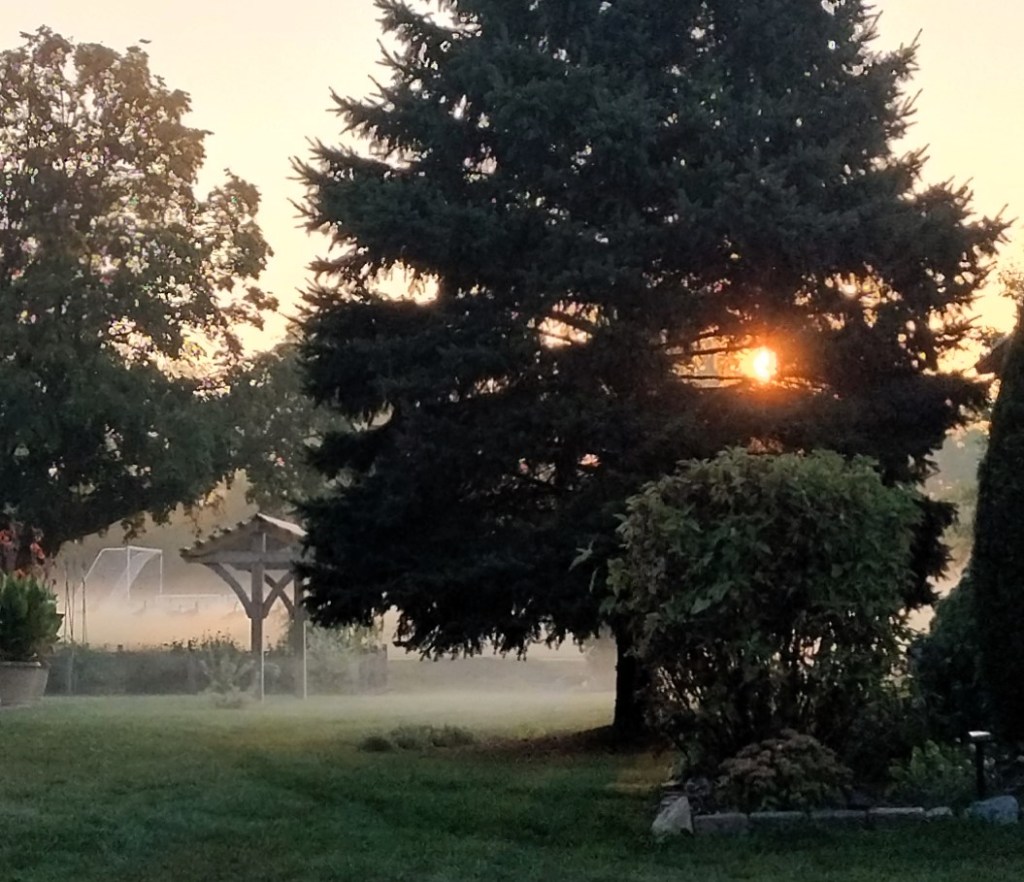
-Geese flying overhead regularly and standing around in fields and near water. The picture above includes geese honking and milling around in the early morning suburban mist on a soccer field set up for the fall season.

-Fewer lawnmowers at work and less yard work noise. It also has not rained much recently. The spring and summer hum of outdoor machines has lessened.

-The occasional sound of marching band practices and performances. We are more than a mile from a high school but we can hear the band at work (cannot hear cheering).

-No cicadas at this point of the year, particularly compared to earlier this summer in our area.

-Less noise from kids in the neighborhood during the day with school in session. Of course, people living near schools likely hear a lot more noise now during the middle of the day compared to the summer.

This is a particular suburban soundscape soon to change with leaves blowing around and crunching underfoot and later snow dampening outdoor noise.

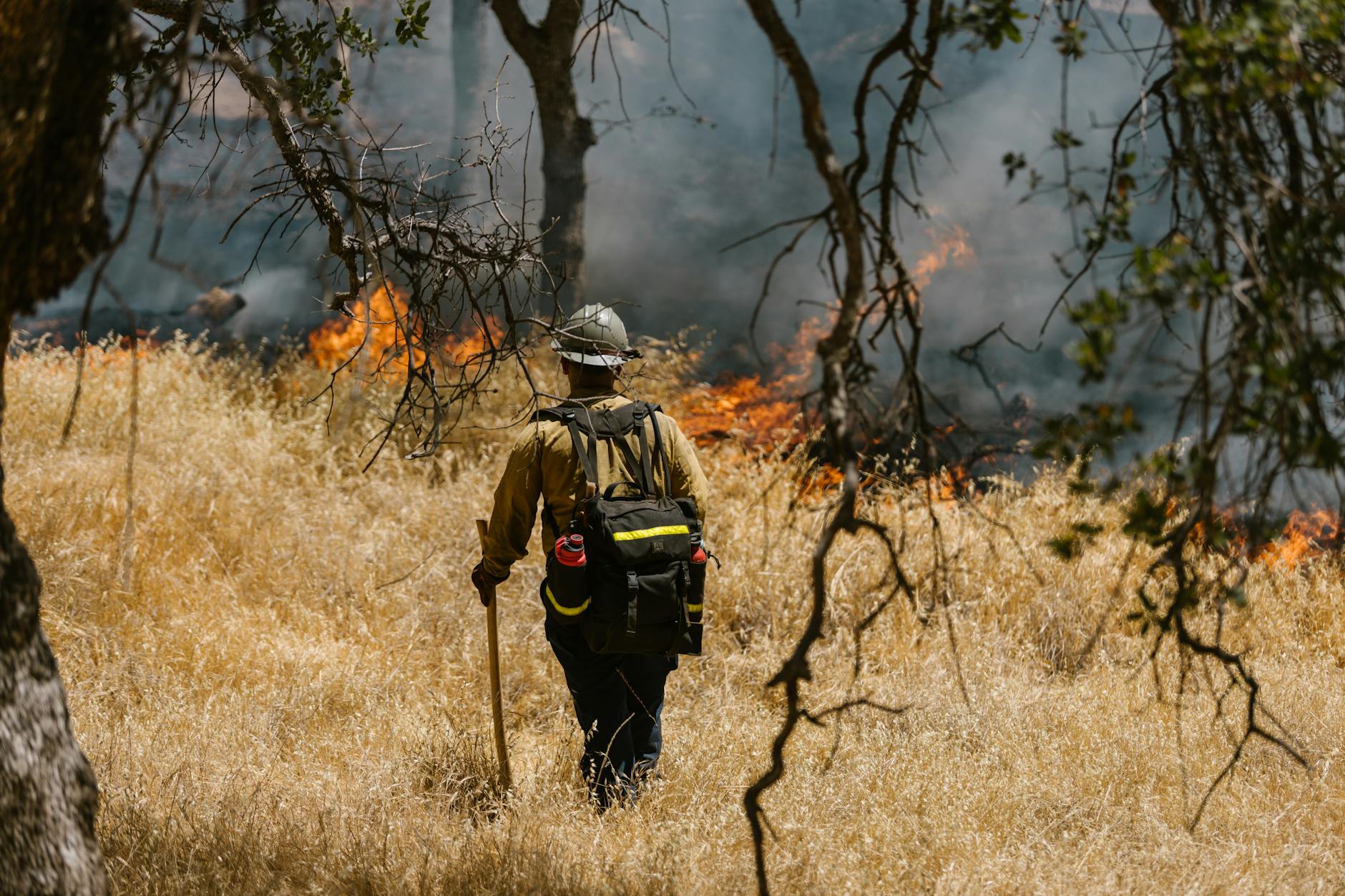
Wildfires approaching homes in sprawling suburbia

Wildfires threaten communities and homes fairly regularly in the United States. How often are these wildfires in suburban communities? Here is a current example outside of Los Angeles:

Photo by RDNE Stock project on Pexels.com

Driven by triple-digit heat, gusting winds and tinder-dry vegetation, the three fires burned at speeds firefighters have never witnessed, scorching over 110,000 acres (44,510 hectares) – an area twice the size of Seattle.

The Bridge Fire, California’s largest current wildfire, swept through communities in the San Gabriel Mountains less than 40 miles (65 km) northeast of central Los Angeles, where people priced out of the city have built homes…

Southeast of Los Angeles, the Airport Fire has destroyed homes in the Elsinore Mountains and injured at least 10 people…

“The Airport Fire remains a significant threat to Orange County and Riverside County communities,” emergency agencies said in a statement.

One way to think about this is that metropolitan areas keep spreading outward. This provides more space for fire to threaten and more interaction with space and land less developed.

A second way to address this is to consider how suburban development – housing, roads, land uses, etc. – can encourage or discourage wildfires starting and spreading. Do yards and the ways homes are built contribute to wildfires? Does the design of American suburbs as we know them help fires spread?

Could this also be addressed in terms of financial trade-offs? Some might move to further-flung suburbs or new subdivisions on the edges because housing prices are cheaper. But how much cheaper is it if there are increased threats of wildfires?

It is one thing for wildfires to be in places with few residents and another if they are regularly occurring in suburbs and close to population centers.

All the birds flying over suburban homes in the Chicago region

Suburban homes are all over the American landscape. Above and around them fly lots of birds, particularly at this time of year in certain parts of the country:

Photo by Fahad AlAni on Pexels.com

This week, millions of birds will fly through the night skies above the Chicago area as they travel from their winter homes down South to their summer breeding grounds in Canada and northern states like Wisconsin and Minnesota.

With spring migration in full swing, hundreds of species such as the Baltimore Oriole and Nashville Warbler are following Illinois’ rivers and Lake Michigan to find their way. Free of daytime temperatures, the birds are further aided by the stars, moon and stable night atmosphere…

Spring migration is long and it comes in waves, starting in late February and March with waterfowl and goose migration. Next, short-distance migrants like Robins and Red-wing Blackbirds make their way up…

To combat the threat, bird lovers and environmental organizations are promoting Audubon’s Lights Out program, which encourages home and building owners to turn off or dim their lights as much as possible during spring and fall migration seasons…

“You can bring birds to your own yard if you own property, or even if you don’t and you just have a balcony or something similar,” he said. “Planting native shrubs or perennials or trees if you’re able to is a huge, huge benefit to birds. They’ll seek out native species as they’re migrating because native species provide insects for them and they’re aligned to match when these native species are in their blooming period.”

I would guess many suburbanites appreciate birds in their yards. People like to feed birds. They enjoy hearing them early in the morning (or later in the day, depending on one’s sleep schedule). They like to watch them and see who is present.

How exactly the birds get there and the ways suburbanites can help birds get to where they want to go might be less known. In the paragraph above, it might be easy to see birds as an adornment to suburban life. Have a home and yard and the birds are icing on the cake. They come and they go.

But suburban yards sit in the middle of bigger ecosystems. Some birds do well in this setting and others do not. While a lot of attention is paid to tall glass buildings, houses and other assorted suburban development can mess with pathways bids have used for a long time.

Can birds and suburbanites coexist in the long run? Are American suburbanites more likely to believe that birds aren’t real? I wonder how many would be willing to do the two things suggested above – dim their lights and have native plants – to further the well-being of birds on the move.

An example of humans trying to bring order to nature

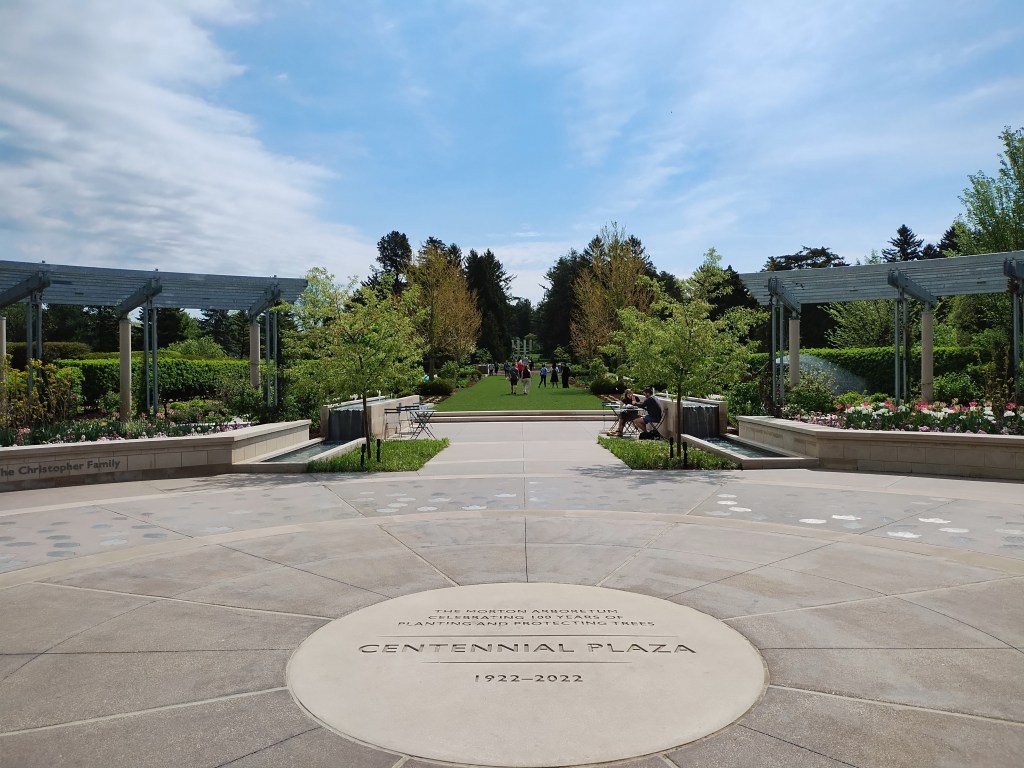
I recently encountered this view at The Morton Arboretum:

Here is their mission:

The Morton Arboretum is The Champion of Trees.

The Morton Arboretum is an internationally recognized tree-focused botanical garden and research center. Its 1,700 acres of beautiful tree-filled landscapes are a place of enjoyment, a vibrant hub for nature education, and a world-renowned center for scientific research that studies trees and how to sustain them. Its vision is a greener, healthier, more beautiful world where people and trees thrive together. As a nonprofit organization, the Arboretum’s mission is to collect, study, display, and conserve trees and other plants from around the world to inspire learning, foster enjoyment, benefit communities, encourage action, and enhance the environment.

On a pleasant morning, this plaza was an enjoyable place to be. At the same time, there is very little “natural” about it. Concrete and other manmade materials are around. The landscape is shaped in particular ways to direct a person’s view and they ways they can move in the space. The grass, water, and plants and trees are where humans wanted them to be. The sound of the nearby highway is present.

A garden or park or plaza brings order to nature. Wild spaces can be inhospitable to human habitation or aims. We have lots of current examples of humans attempting to bring order to nature, ranging from green lawns to Central Park to guiding the flow of water to growing food.

Whether this order is good is open for debate. It may be pleasing for humans while disrupting wild settings and habitats. It may be order from a particular perspective but not from others. What is considered ordered natural settings may very well change in the coming decades though it is hard to imagine that humans would stop pursuing this goal.