A possible investment return of over 800% on Chicago’s parking meters

One estimate of the profit to be generated through the privatization of Chicago’s parking meters suggests this was a lucrative investment:

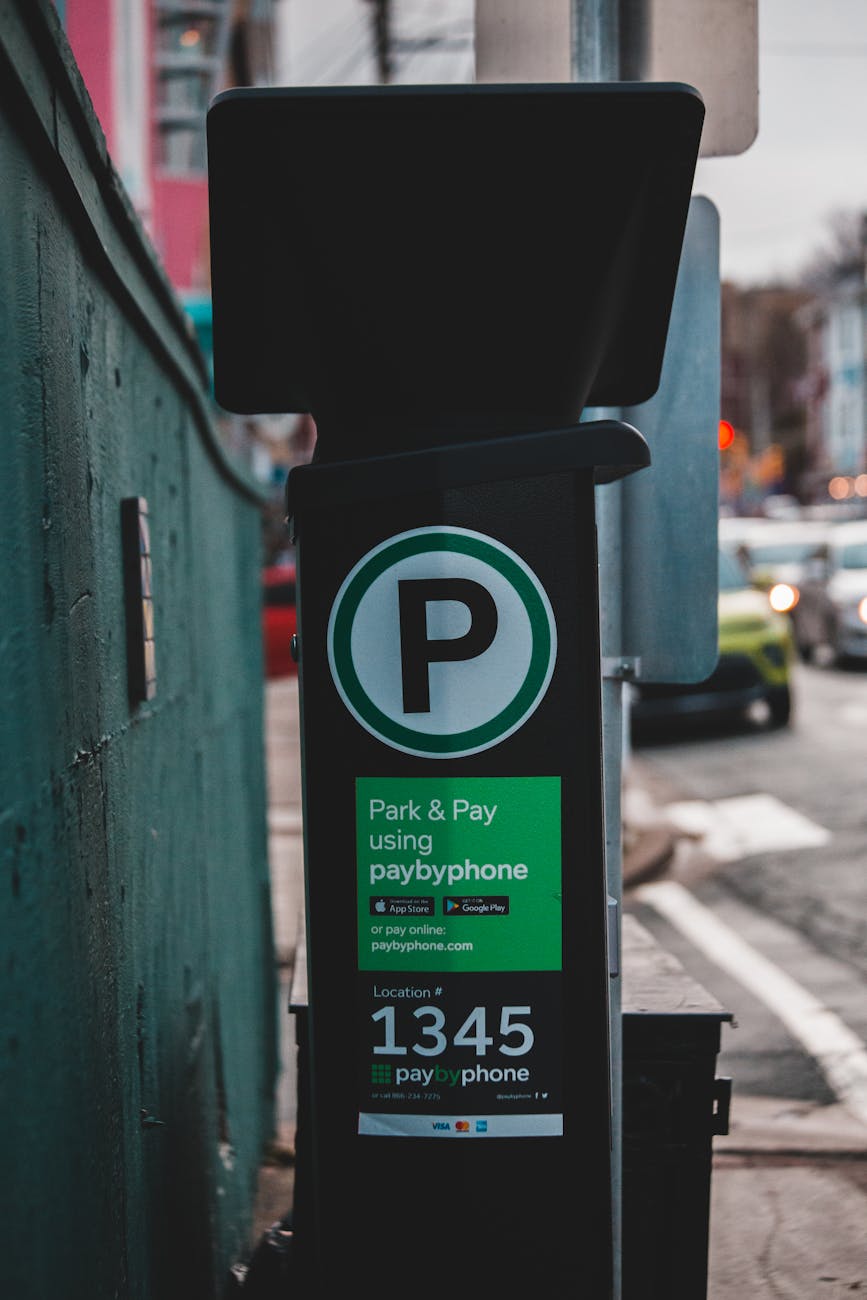
Photo by Erik Mclean on Pexels.com

In 2008, then-Mayor Richard M. Daley, with the approval of poodles on the City Council who failed to do due diligence, agreed to sell a 75-year lease on 36,000 parking meter spots for $1.16 billion to an entity that calls itself Chicago Parking Meters LLC and is made up of various parties including Morgan Stanley-related entities and, indirectly and also among others, the sovereign wealth fund known as the Abu Dhabi Investment Authority.

Daley also agreed to a whole series of tightwad rules that handcuffed the city when it came to removing meters for, say, special events such as outdoor dining, changing the hours of paid parking, or making any other changes that might result in less revenue for Chciago Parking Meters. In each and every case, Chicago has had to lay out more cash.

Why did Daley make this colossal error? He wanted to close a budget shortfall and thought that a private company could more easily jack up rates than an elected official likely to anger voters. And he probably believed that $1.16 billion sounded like a whole lot of money.

Wrong. Former Mayor Lori Lightfoot once told this board that the decision was one of the worst public policy mistakes in the history of municipal governance and she was absolutely correct. The investors, if that’s the right term, have recouped that amount within the first 10 years of that 75-year lease. They’ve now made hundreds of million dollars in additional profit. By the end of this deal, they are likely to have raked in a total of $9 billion. 

Urban parking can be a lucrative business, whether working with parking meters or having a parking lot or garage that later becomes a huge development project. Thus, imagine the money the city could have generated by treating the parking meters differently.

This reminds me of at least two bigger picture issues. First, infrastructure and public goods require a long-term view. In the short-term, selling the revenues from these meters may have helped close a budget loophole. However, lots of things can change over 75 years. Will the city need or want parking meters at that point? How much driving will there be? Would a shorter deal leave more flexibility?

Second, Chicago has relied on some public-private partnerships for decades to help keep the city moving forward. While this deal might not appear to be a good one for the city, other projects may appear to be good. How many projects have worked out well? Does the participation of the city or the use of the city’s resources make certain things possible?

I am guessing this deal will serve as an example for years to come. Hopefully some lessons are learned that could lead to some good.

Some Chicago aldermen, businesses argue they want parking meters to move cars and customers along

As Chicago debates a parking meter policy, some aldermen and businesses want metered parking on Sunday so they can keep customers moving through the parking spaces:

Some aldermen are saying “no thanks” to Mayor Rahm Emanuel’s offer of free Sunday parking when it comes to their commercial districts for fear it would hurt businesses that rely on street parking for their customers…

“As soon as this deal happened, I got a letter from my chamber of commerce, saying … this is going to hurt local businesses,” Ald. Michele Smith, whose 43rd Ward includes most of Lincoln Park, said during a Finance Committee hearing on Tuesday to weigh the mayor’s proposal. Businesses need parkers to move on so others can take their place, several aldermen said…

“In some commercial areas, with some businesses, the businesses actually want the turnover that payment on Sunday gives, because having spots filled by somebody that’s just leaving it there all day hurts business, and that’s the concern that we’re trying to address on a case-by-case basis,” Patton said.

Intriguingly, this puts the aldermen in a tough position between residents/customers and businesses:

But aldermen would have to request it, something Ald. Ameya Pawar, 47th, said could leave council members in a tough spot. “What it ends up setting up is a situation where, ‘Well, whose side are you on — the businesses or the constituents?’ It’s problematic,” Pawar told Patton.

This highlights an advantage of parking meters: they can keep the parked traffic moving so that cars can’t clog up spaces. Without them, city residents and visitors are likely to sit in the spots for a long time. This also is a reminder of the mix of uses often found in urban neighborhoods: both residents and businesses are vying for parking for much of the day. In contrast, parking is more plentiful in suburban shopping areas and many suburban downtown businesses gave up parking meters decades ago to keep customers happy. But, these suburban downtowns rarely have the density and demand for street parking that cities face.

So, if residents in these neighborhoods complained loud enough about wanting free parking on Sundays, would they be able to force an alderman to side with them?

From the parking meters of Blade Runner to the parking meters of the future

This Observation Deck video tackles the futuristic parking meters in Blade Runner that have come to fruition.

Adam Rogers hints at the end what the parking meters of the future might hold. I’m sure drivers would love to get information on their phones about what spots are available (perhaps for a low app price?). However, I wonder about a world where parking meters are not even needed. With the rise of GPS devices in cars and on car operators (through phones, GPS devices, etc.), couldn’t parking be tracked this way rather than through devices planted in the sidewalk? Imagine a world where you as a driver could pull up to an open spot at the curb and later drive away, all the while paying by a mobile transponder that kept track of the time you spent in that spot.

This also briefly reminds me of the fate of parking meters in many suburban communities. While cities still struggle with how to best raise revenues through parking meters or how to maintain and run the system (like with Chicago’s woes in recent years with the privatization of the parking meters), cheap parking at strip malls, shopping malls, and big box stores effectively killed the parking meter. This is unlikely to happen anytime soon in cities where space is at a premium but the contrast is intriguing.

How suburbs dealt with parking meters and related issues

The Infrastructurist has a discussion of whether parking prices in the city should be raised in order to encourage less driving and therefore, less congestion.

While this may be an interesting argument, my research into several suburbs showed that they solved this problem without much argument back in the 1950s and 1960s. As suburban downtowns faced more competition from strip malls and large shopping centers, downtown business owners argued that city-owned parking meters were driving away customers. Why would a person go to the trouble of shopping in a suburban downtown when free parking was plentiful at shopping centers? Within a few years, these suburbs removed their parking meters in an effort to improve local business.The possible business gains far outweighed the possibility of some municipal revenues from the parking meters.

When I first encountered these debates, they seemed a bit strange – were people really avoiding suburban downtowns just because of some small parking fee? Even if downtown parking were free, it seems that suburban residents would (and did) tend to choose shopping centers anyway, for reasons that outweighed parking concerns. (Of course, there is a lot of complaining about finding close shopping spaces at the mall – but, at least those spots are free. However, one could make an argument that they are not free as the parking costs get passed along through the business rents and leases and to higher prices for consumers.)

I left reading about these debates thinking that the parking meters were a last straw that suburban downtowns tried desperately to grab at to attract shoppers. Ultimately, many suburban communities were unsuccessful and the parking meters played a limited role.