McMansions and McVulnerabilities

The Mc- prefix continues to live on in analysis of American life. As a recent example, here is a description of “McVulnerability” found in social media videos of crying and sadness:
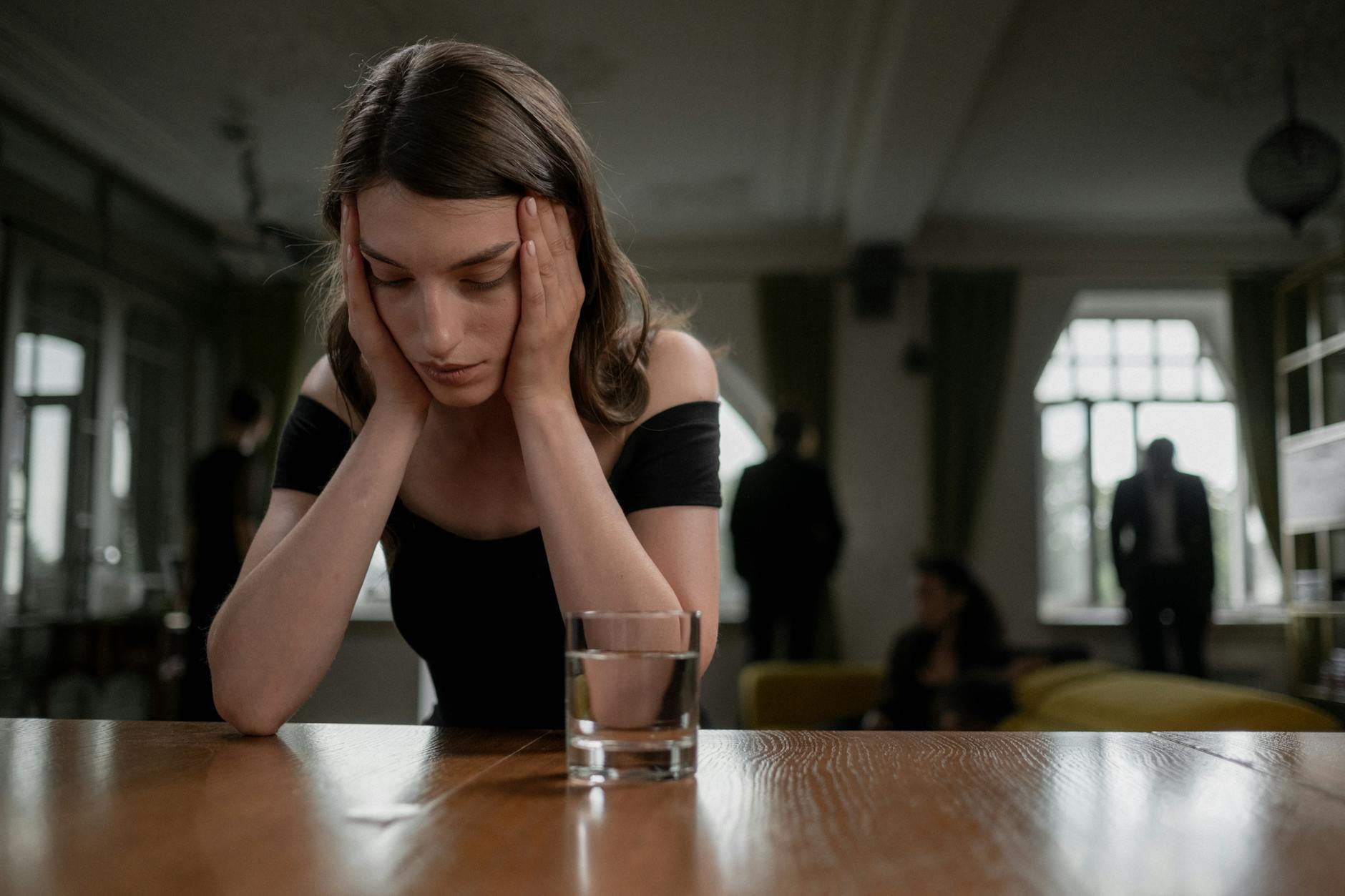
Photo by cottonbro studio on Pexels.com

The weepy confessions are, ostensibly, gestures toward intimacy. They’re meant to inspire empathy, to reassure viewers that influencers are just like them. But in fact, they’re exercises in what I’ve come to call “McVulnerability,” a synthetic version of vulnerability akin to fast food: mass-produced, easily accessible, sometimes tasty, but lacking in sustenance. True vulnerability can foster emotional closeness. McVulnerability offers only an illusion of it. And just as choosing fast food in favor of more nutritious options can, over time, result in harmful outcomes, consuming “fast vulnerability” instead of engaging in bona fide human interaction can send people down an emotionally unhealthy path…

McVulnerability is perhaps an inevitable outcome of what the sociologist Eva Illouz identifies as a modern-day landscape of “emotional capitalism.” “Never has the private self been so publicly performed and harnessed to the discourses and values of the economic and political spheres,” Illouz writes in her book Cold Intimacies. Emotional capitalism has “realigned emotional cultures, making the economic self emotional and emotions more closely harnessed to instrumental action.” That is, not only does emotionality sell goods, but emotions themselves have also become commodities…

McVulnerability, from whichever angle you look at it, is the opposite of generous. It doesn’t require risk. It may pretend to give, but ultimately, it takes. And it leaves most of its consumers hungry for what they’re craving: human connection—the real thing.

The “Mc-” prefix makes sense given the popularity of McDonald’s. The way the term is deployed above seems similar to how the term McMansion has been used for several decades. McVulnerability is a pale substitute for true vulnerability. It is vulnerability in a popular and commodified form.

But can the term stick? It may depend on the popularity of such viral videos. Do they have staying power or will they be gone to be replaced by other trending videos? Will this pattern last for years? Or there might be other terms that describe these videos. Or the critique may not stick – what if most watchers see the emotional expressions as real and valuable? If such expressions become the new normal, perhaps McVulnerability is here to stay.

We’ll have to wait and see. McDonald’s will go on and plenty of other mass produced products and experiences will come along. Which ones will live on in “Mc-” infamy?

The increasing sadness in pop music songs

A psychologist and sociologist looked at Billboard pop music hits since 1965 and found that the songs have become more sad:

“As the lyrics of popular music became more self-focused and negative over time, the music itself became sadder-sounding and more emotionally ambiguous,” according to psychologist E. Glenn Schellenberg and sociologist Christian von Scheve.

Analyzing Top 40 hits from the mid-1960s through the first decade of the 2000s, they find an increasing percentage of pop songs are written using minor modes, which most listeners—including children—associate with gloom and despair. In what may or may not be a coincidence, they also found the percentage of female artists at the top of the charts rose steadily through the 1990s before retreating a bit in the 2000s…

Strikingly, they found “the proportion of minor songs doubled over five decades.” In the second half of the 1960s, 85 percent of songs that made it to the top of the pop charts were written in a major mode. By the second half of the 2000s, that figure was down to 43.5 percent…

“The present findings have striking parallels to the evolution of classical music from 1600 to 1900,” Schellenberg and von Scheve write. “Throughout the 17th and 18th centuries …. Pieces tended to sound unambiguously happy or sad. By the 1800s, and the middle of the Romantic era, tempo and mode cues were more likely to conflict,” which allowed composers to express a wide range of emotions within a single piece.

I would be interested to hear how they relate these changes to larger social forces: does this line up with a greater sadness in society or perhaps the ability or proclivity to express negative emotions? I also wonder if the data is skewed at all by only looking at Top 40 songs – does all music reflect this or only the most popular songs (which then reflect the influence of musical gatekeepers such as radio stations, journalists, critics, and music labels)?

Also: could we have a period where we return to more major mode music? Can a musical genre, whether classical or pop music, recover from an extended period of “sadness”?

Placing “anomie” among states of sadness

A writer discusses the different states of sadness including melancholy, mal du pays, neurasthenia, and anomie. Here is the description of anomie:

“Anomie” was another condition once favoured in the 19th Century by the sociologist Emile Durkheim, and from a sociologist, a sociological condition. Anomie was defined as an isolated mood caused by the breakdown of social norms, sense of purpose and rules of conduct.

This famous term came out of Durkheim’s thinking in Suicide. I’ve never thought of it as a sadness – I usually think of it as a slotting issue where some individuals don’t have roles within larger society. Durkheim was less interested in how it was experienced by individuals and more interested in why it occurred and then might lead to more suicides.

If I had to describe the kind of sadness that anomie represents, I might go with something like a feeling that one does not have a place in society, doesn’t fit, doesn’t have a role, and is outside society’s norms and rules.