
Suburban teenagers and others have taken to e-bikes and electric scooters to get around communities which often require a vehicle to get from place to place. But now some suburbs have responded with new rules:
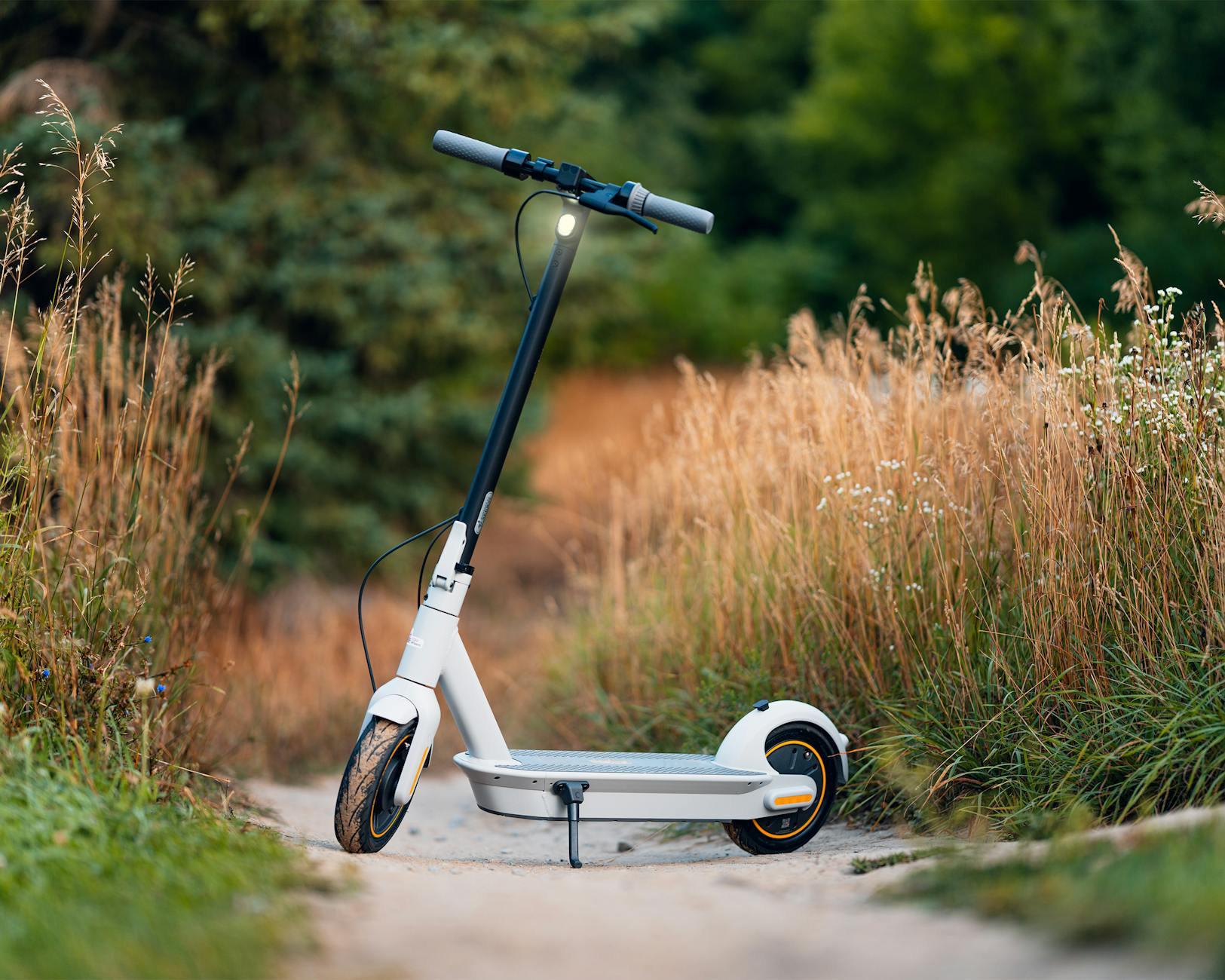
In passing the new rules, Elk Grove has joined a growing list of Chicago suburbs that have enacted tougher e-bike regulations due to growing safety concerns. Several communities — including Highland Park, Schaumburg, Glen Ellyn and Lombard — have recently imposed age limits on riders, while Burr Ridge has banned e-scooters from its streets.
Illinois law divides e-bikes into three classes based on their maximum assisted speed and whether the motor requires the rider to pedal. No one under 16 is allowed to ride a bike that can reach more than 20 mph under Illinois law.
State regulations also require riders to label their bikes with the motor wattage and classification type. Elk Grove Village officials, however, believe it’s more important for riders to follow the rules of the road, said Scott Eisenmenger, the deputy police chief…
Under the town’s rules, anyone younger than 16 can ride less powerful Class 1 and Class 2 e-bikes without motor assistance, relying on pedal power alone. Like Illinois law, Roselle ordinance prohibits anyone under 16 from riding a Class 3 bike, which reaches up to 28 mph before the motor cuts out. Additionally, no one under 18 can operate a low speed electric scooter.
Suburbs are built around cars and driving. It is part of living in a single-family home, having a suburban lifestyle, and is often necessary from getting from place to place because of the size of communities and limited additional transportation options.
Teenagers are often in a particular predicament. Herbert Gans noted this in his book The Levittowners: in new sprawling suburban communities, what could teenagers do and where could they go? With subdivisions and homes structured around private family life and cars necessary to get places, what could teenagers seeing independence do? Americans see teenagerdom as a life stage of trying out independence but without viable transportation this may be hard to do.
Enter e-bikes and electric scooters. They are now widely available. They are easy to operate. The local infrastructure is set up for cars, not pedestrians, bicyclists, or others. Vehicles are large. Safety can be an issue for anyone else trying to use a roadway.
Perhaps the bigger question is not about e-bikes and scooters; it is about possibilities for transportation options across suburbs. Teenagers may have their own interests but they are not the only ones limited in suburbia if you do not have a car.


 Legally Sociable