The Chicago suburbs soon to be home to the country’s biggest truck stop

I would not expect the biggest truck stop in the United States to be in the Chicago suburbs. But it will soon open:
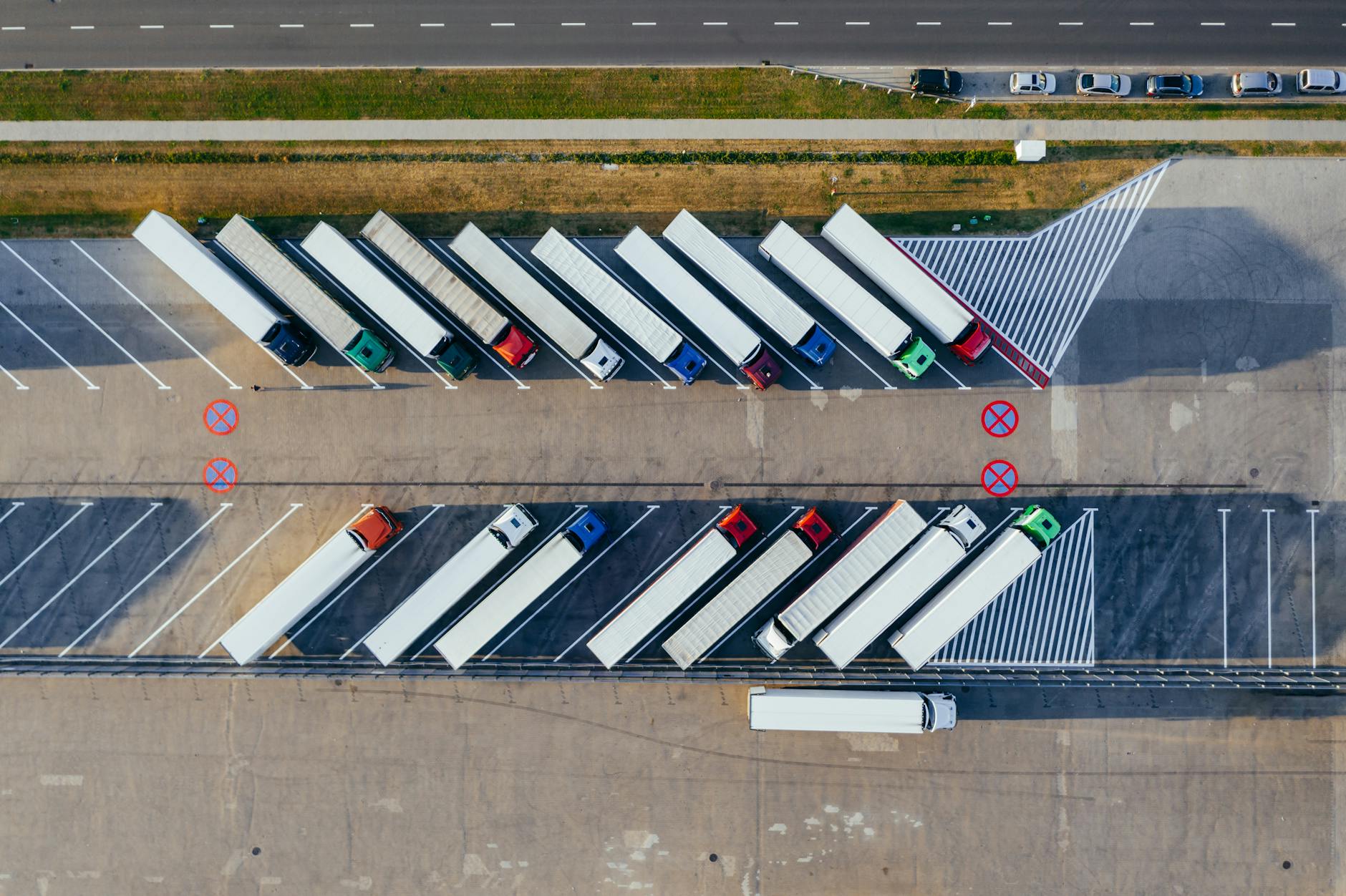
Photo by Marcin Jozwiak on Pexels.com

Outpost, an Austin, Texas-based company, is transforming 30 acres at 70 Airport Road into a location where 1,000 semi trucks can park in a safe, secure setting, said Trent Cameron, the company’s co-founder and CEO…

When it opens Oct. 1, the number of parking spaces will exceed the 900 available at the Iowa 80 Truckstop in Walcott, Iowa, which bills itself as the world’s largest truck stop, in part because of the restaurants, stores, truck dealership, movie theater, repair shop and other service businesses spread out over its 220 acres, according to its website.

As Cameron noted, there’s a need for more truck parking. A report done by the American Trucking Association found there is one parking space for every 11 trucks on the road and many drivers spend nearly an hour every day trying to find a place where they can stop, resulting in about 12% lost pay annually.

Beyond that, truck drivers waste a lot of fuel searching for parking and often are forced to park in unsafe and unauthorized locations, the association report said.

Suburbs are not often home to truck stops as these tend to be located further outside of big cities. Developers may see land as more profitable for other uses. Companies may want cheaper land and more of it. As noted later in the article, suburban residents often do not like lots of trucks on local streets and as neighbors.

However, local and long-term trucking is essential to everyday life. Suburbanites may not like trucks on their roads but they would not like it if their local grocery store or big box store did not have what they want. For people to receive their deliveries from Internet orders, the goods have to get to warehouses first and then have to make it to their addresses.

Additionally, Chicago is an important trucking and transportation hub, serving both the large metropolitan area and a lot of traffic passing through to other places. Many trucks make their way into and out of the region with many warehouses, retail facilities, and communities.

Will large suburban truck stops become more and more common? Will this push residents and communities to make certain choices about land and locations?

Building a suburban truck stop in Carol Stream

Many truck stops line American highways yet few are located several miles away from the highway in a suburban community on the former site of a bowling alley:

Though it looks like a heavy construction zone, it could take weeks before developers begin building what some neighbors worry will be a noisy truck strop on Gary and North avenues in Carol Stream…

“It’s kind of a redevelopment of Carol Stream going on here,” Assistant Village Engineer Bill Cleveland said…

In July, the village board approved Pilot plans over the complaints of retirees in the upscale Windsor Park community. The $9 million project will build a sprawling gas station for semitrailer trucks and passenger cars, as well as a 9,000-square-foot building that will house a convenience store and three “fast casual” restaurants — all open round-the-clock.

After the village gives the go-ahead, developers hope to break ground in “days or weeks,” a Pilot representative said Tuesday. Construction could take three months.

North Avenue is a busy road yet the location is at least four miles from the nearest highway – I-355 – which doesn’t handle the same level of truck traffic as other major Chicago highways. On the other hand, Carol Stream has a number of industrial parks and warehouses. This was intentional on the part of founder Jay Stream who had his start building houses in Wheaton and later turned to grander plans for a new suburban community. Stream wanted to have a broader tax base so he left plenty of land for industrial parks. The zoning map of Carol Stream shows a broad stretch of industrial uses – marked in purple – as well as commercial properties along major roads and a range of housing options including apartments and cul-de-sac single-family home neighborhoods.

Thus, there may just be a business opportunity for a suburban truck stop in this particular location. Two remaining thoughts:

  1. I have a hard time imagining such plans could be made in wealthier suburbs. Could Pilot find support in a community like Elmhurst or Naperville which could provide a location much closer to a highway?
  2. I wonder if there will be any particular requests from Carol Stream regarding the design of the facility. Seeing a truck stop in this location could be jarring, even with North Avenue lined with numerous commercial uses in both directions. I wouldn’t be surprised if the owners were asked to limit signs and lights as well as provide some barriers between this location and nearby uses.