
A review of the issues facing San Francisco includes a bit about the Westfield San Francisco Centre:
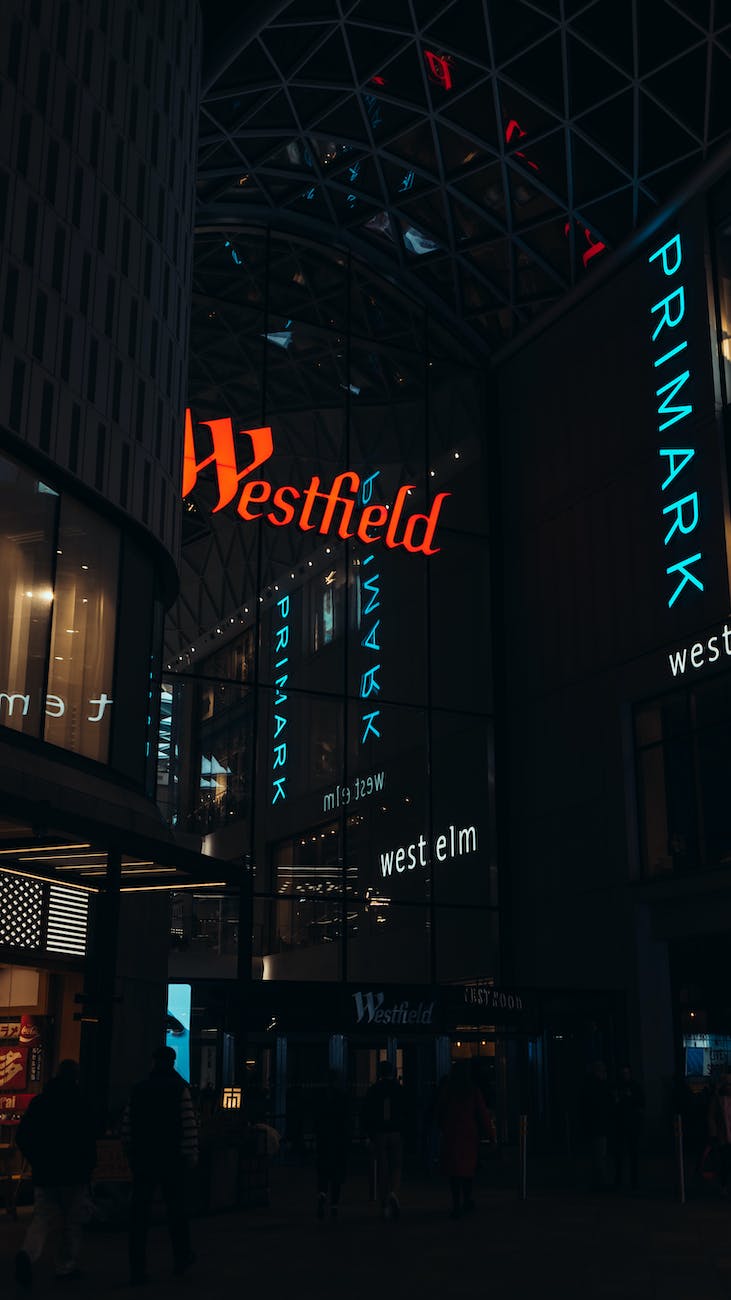
Dennis Phillips had recently taken her staff to tour the Westfield San Francisco Centre. “We have to understand the possibilities of that building,” she explained. The mall loomed so large as a harbinger of San Francisco’s struggles that I decided to see the damage myself. When I was growing up in San Francisco, at the turn of the millennium, the opening of the Westfield mall had seemed like the capstone of the city’s rise. Now I expected a ruin – the remnant of a once triumphal age.
As I approached, I found the stretch of downtown around the mall lively and crowded. People in the local office garb of slacks and zip vests brushed past, thumbing their smartphones. In front of the Dawn Club, a storied jazz bar that Sheehy reopened this year, men in suits were playing a game that they called Doomloopin Bowling on a strip of AstroTurf. Inside the mall, which as of now has no closure date, I saw customers flowing from Bloomingdale’s. To my left, a Michael Kors salesperson chatted with a couple as, on my right, young men studied fancy watches in an I.W.C. Schaffhausen. The food court was noisy, and there were no free tables at Panda Express. The grimmest space was on the top floor: a Cinemark whose lease is up in the fall had gone dark early. “They’re closed,” a bored looking guard announced to no one.
In public declarations, Westfield – like Gump’s – laid the blame for its lack of business on the condition of San Francisco’s downtown. But in the past forty years the number of malls in the United States has declined by nearly three-quarters, and a tour of downtown San Francisco today, its streets packed, its bars busy, can seem an odd me-or-your-lying eyes experience.
The closing of retail shops in San Francisco was easy to see culminating in this mall when the mall operator recently handed back the property to the lender. A once thriving mall suffered from vacant properties. Its location was once a very busy part of the downtown between regular floods of downtown workers, residents, and tourists. I have been to this mall at least a few times and it was generally a lively spot where a cosmopolitan canopy might be possible.
But, as noted above, shopping malls everywhere are facing difficulties. Brick and mortar locations are suffering, even in the most vaunted locations. The outlook for shopping malls is bleak as many will not be needed in the future landscape. Numerous malls are trying to transition by adding housing and/or other entertainment options.
Like many places, urban or suburban, what the mall becomes might be more important than whether the mall survives. What becomes of potentially valuable land near an urban core that once generated property and sales tax revenue? What use could be good for residents and the city long-term? This may be harder to envision in urban downtowns where a lot of property might soon be available for new uses.
 Legally Sociable