More data centers and AI, higher utility bills

With more AI and cloud-based activity in daily life, it may have one clear effect for people: higher prices for electricity.
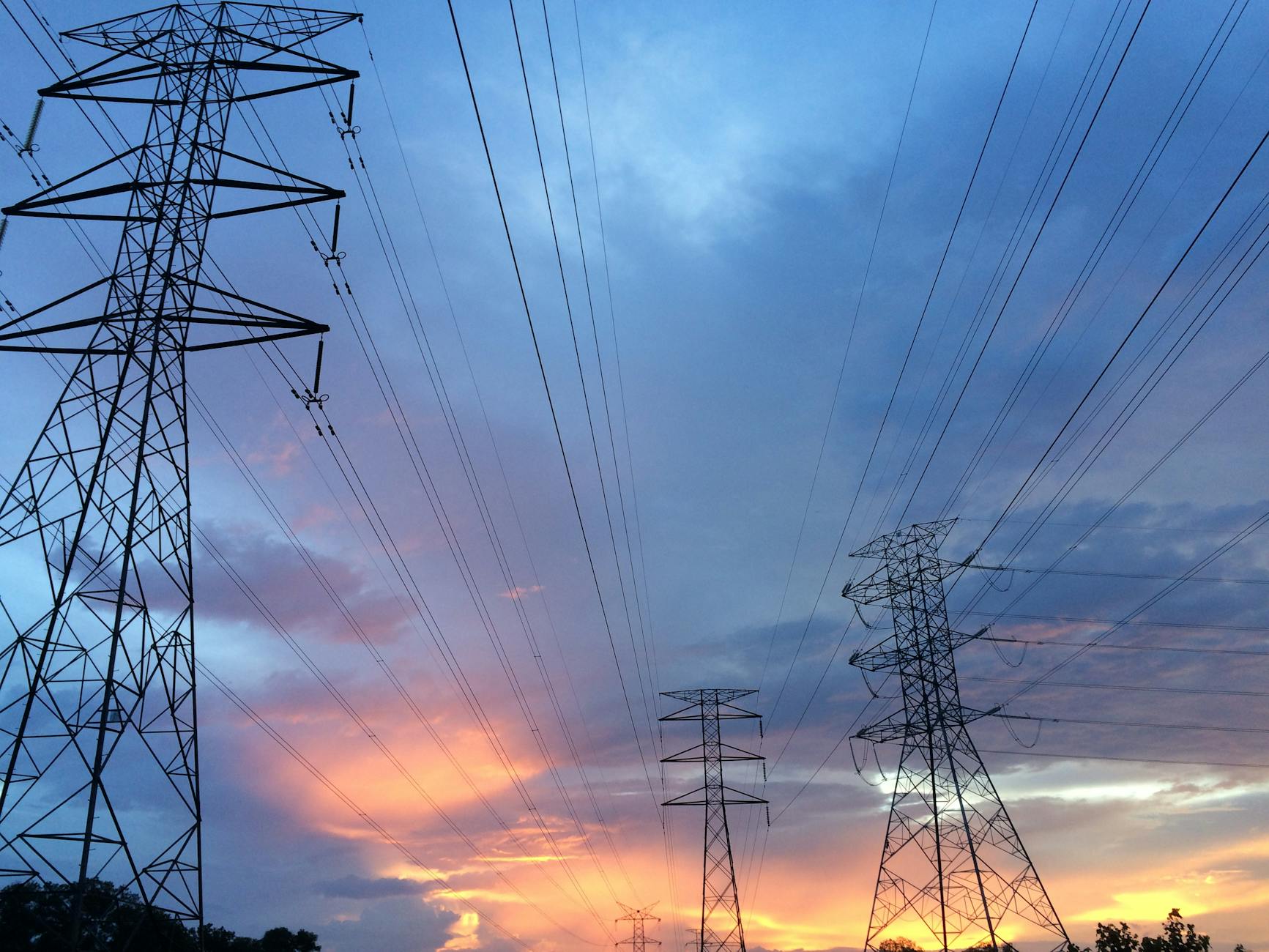
Photo by Pok Rie on Pexels.com

As the Sun-Times reported in November, the demand for power from big data centers and a delay connecting new power sources, such as solar and wind, to the electric grid is resulting in ComEd customers seeing their monthly bills go up $10.60 a month on average…

Power demand across the country has skyrocketed as big data centers and artificial intelligence operations have created huge demand. Meanwhile, new sources of “renewable” energy, including wind and solar power, have been slow to get connected to an electric grid that spans from Northern Illinois to the East Coast, said Jim Chilsen, a spokesman for the consumer watchdog Citizens Utility Board.

How much will this register with Illinois customers – will they have no problem paying roughly $10 more a month to help support what they expect on their smartphone and online activity? Technology tends to have costs, even if people tend to think the benefits outweigh the downsides, but it can be hard to pin down. While all of the increased rates may not be due to computing activity, at least some is.

Considering indirect costs may just be difficult to do. Having direct feedback with technology probably elicits different reactions than these more indirect costs. Imagine the new AI feature on your phone comes with a $5 a month surcharge on your phone bill to cover its costs. Or each time you do an AI search you incur a charge. Contrast that with the costs of driving. Automobiles opened up all kinds of new opportunities but driving comes with numerous costs, some direct (like paying for gas, insurance, and maintenance) and some more indirect (taxes for infrastructure, changes in land use, pollution).

If asked how much they would be willing to directly pay for AI, what would Americans say?
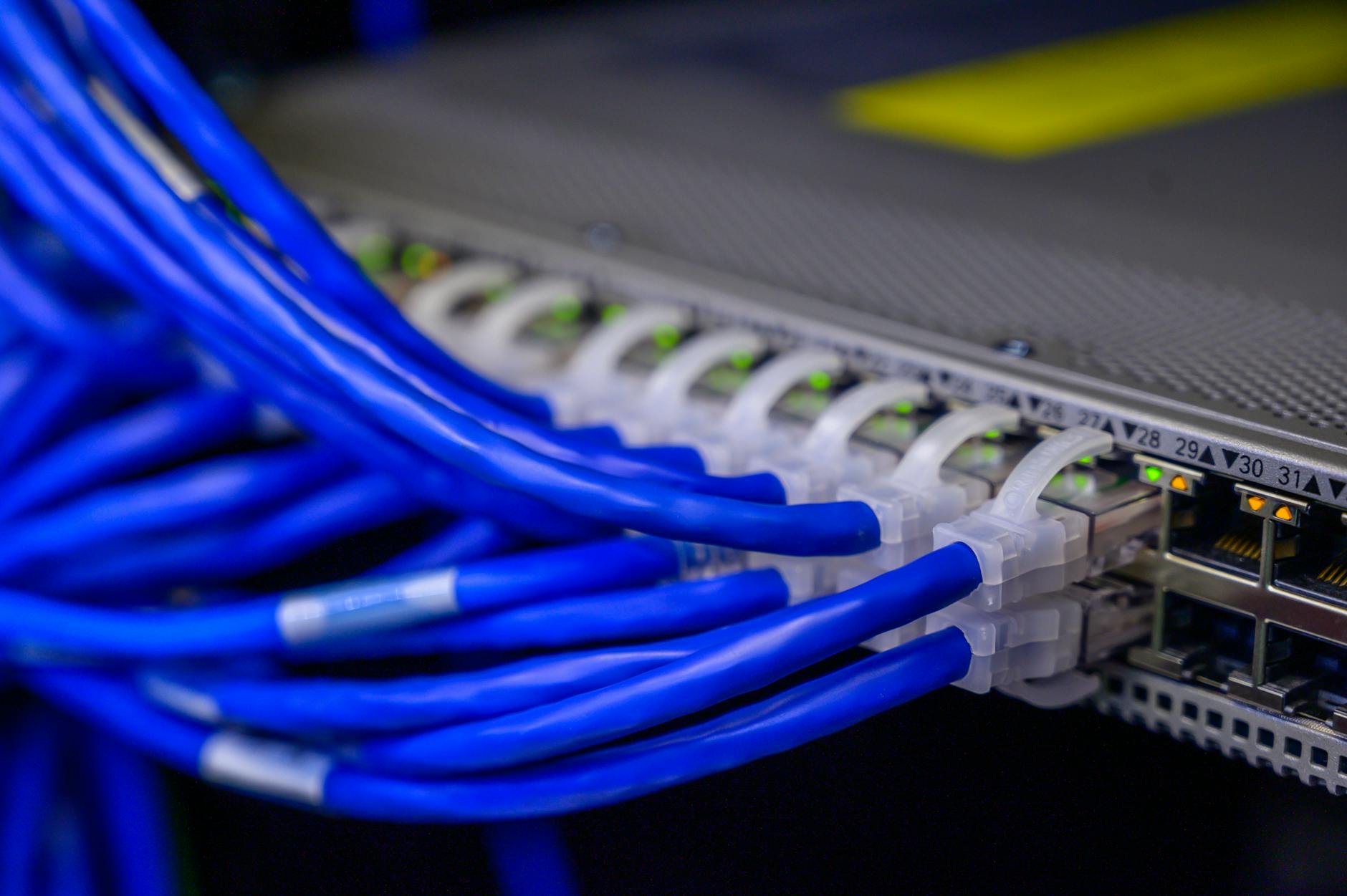
Data centers as public utilities

As one company looks for approval to build a data center in an Illinois town, they made this argument:

Photo by Brett Sayles on Pexels.com

“When you use your phone to order an Uber or make a doctor’s appointment, it’s likely going through one of our data centers,” Baumann told a Minooka Village Board meeting in January.

“We consider ourselves a utility, like water or sewer or electricity. It has that kind of importance to everyday life,” he said.

But Equinix is not a regulated utility like ComEd or Peoples Gas. Equinix is a publicly traded company whose top shareholders are Wall Street titans such as BlackRock, State Street and Vanguard. 

It’s a supplier that’s kept on a tight leash by the big dogs of artificial intelligence, namely, its partners, including Microsoft and Google.

Contrasting opinions here from the corporation’s real estate director and the Chicago Tribune. On one hand, it is hard to imagine life today without the Internet, social media, and smartphones. All that data transmitted through the air requires infrastructure including cables, towers, and data centers.

On the other hand, all of this is not considered a utility in the same way by the federal and state government. Gas, electricity, and water have all sorts of regulations so that everyone can access them. They are considered essential to housing. The right to the Internet does not exist yet. And the nod above to the private market may or may make sense; other utility companies are publicly traded and seek profits.

Is this a convincing argument in the long run? Would local officials and residents be more inclined to approve a data center if they think of like a utility or more like a company?

You should know your neighbors – so you can save money?

This story highlights an interesting gap in who knows their neighbors. Yet, this statistic is brought up so you can make sure you are not paying their utility bills. First, the statistic:

Photo by Airam Dato-on on Pexels.com

However, chatting to your neighbors is not as common as it used to be. A Pew Center study shows that fewer young Americans are familiar with their neighbors. Among adults under age 30, about a quarter (23%) claim to not know any of their neighbors, compared with 4% of those aged 65 and up.

Why might it be useful to know your neighbors?

That’s what happened to Brooke Patterson. She took to TikTok to explain how she realized that she had apparently been paying for her entire apartment building’s utility bills — for two years.

The gap cited above could be the result of multiple factors. People 65 and up might have lived in places longer. They had different social norms regarding neighborly interaction. They might not rely on technology as much in order to interact with people.

Is the primary goal to knowing your neighbors to save money? Or others might suggest your neighbors could help you look out for your property. Other primary goals for knowing your neighbors could include acting neighborly – looking out for each other, offering aid when helpful – and building community. That could come with cost savings down the road or even positive money if the character of the neighborhood helps boost property values. This might be another difference over time: what people hope to gain through social interaction.

As people use less water, utilities charge more

To make up for drops in revenue with reduced water use, water utilities have some ways to make more money:

When customers use less water, that means they’re paying less for consumption. This is a good thing, and not just because it’s more ecologically friendly. In the long run, conservation and efficiency are the cheapest ways utilities can avoid needing to develop new supplies in the future.

But in the short-term, conservation and efficiency can put utilities in a pinch, because their sales fall while fixed costs remain the same. Eventually, they need to find a way to make back some of that lost revenue to cover their costs…

That’s why lots of utilities are hiking up the volumetric cost of water itself, even as people are using less of it. But with equity in mind, many water experts advocate for tiered pricing, where customers who use less water pay less per unit. The more you use, the more you climb up pricing tiers. The larger the price increases between the tiers, the more of an opportunity utilities have to make up revenues—and send a message to ratepayers that they shouldn’t ideally be using so much. Likewise, water rates can fluctuate throughout the year, in accordance with use and weather patterns…

Between crumbling infrastructure and downhill sales, it’s going to be hard for utilities to avoid bumping up customer fees to manage systems more effectively. But they also need to start thinking differently about their own business model and how they communicate changes to customers, since those changes are going to be reflected in customer bills.

Which is to say that customers also need to adjust their expectations about water. Is water a commodity to be purchased at a given rate? Or is it more like a public service, like the police or court systems? It might be better to conceptualize it more like the latter.

The infrastructure for many of these systems are expensive and it needs maintenance. Plus, these utilities are usually companies that need to make some money. And, some have argued for years that Americans should pay more for water and other basic goods like this in order to have a better understanding of its value and its limited nature.

More broadly, this could bring American customers back to a recurring issue: at what point do changes due to environmentalism become too costly? This could be quite a shift for many utility users; if they use less water or electricity or natural gas, shouldn’t they save some money?