The number of Chicago residents who might apply to a second guaranteed income trial

The Chicago Housing Authority has a long waiting wait for housing; the first guaranteed housing pilot also had a lot of applicants:
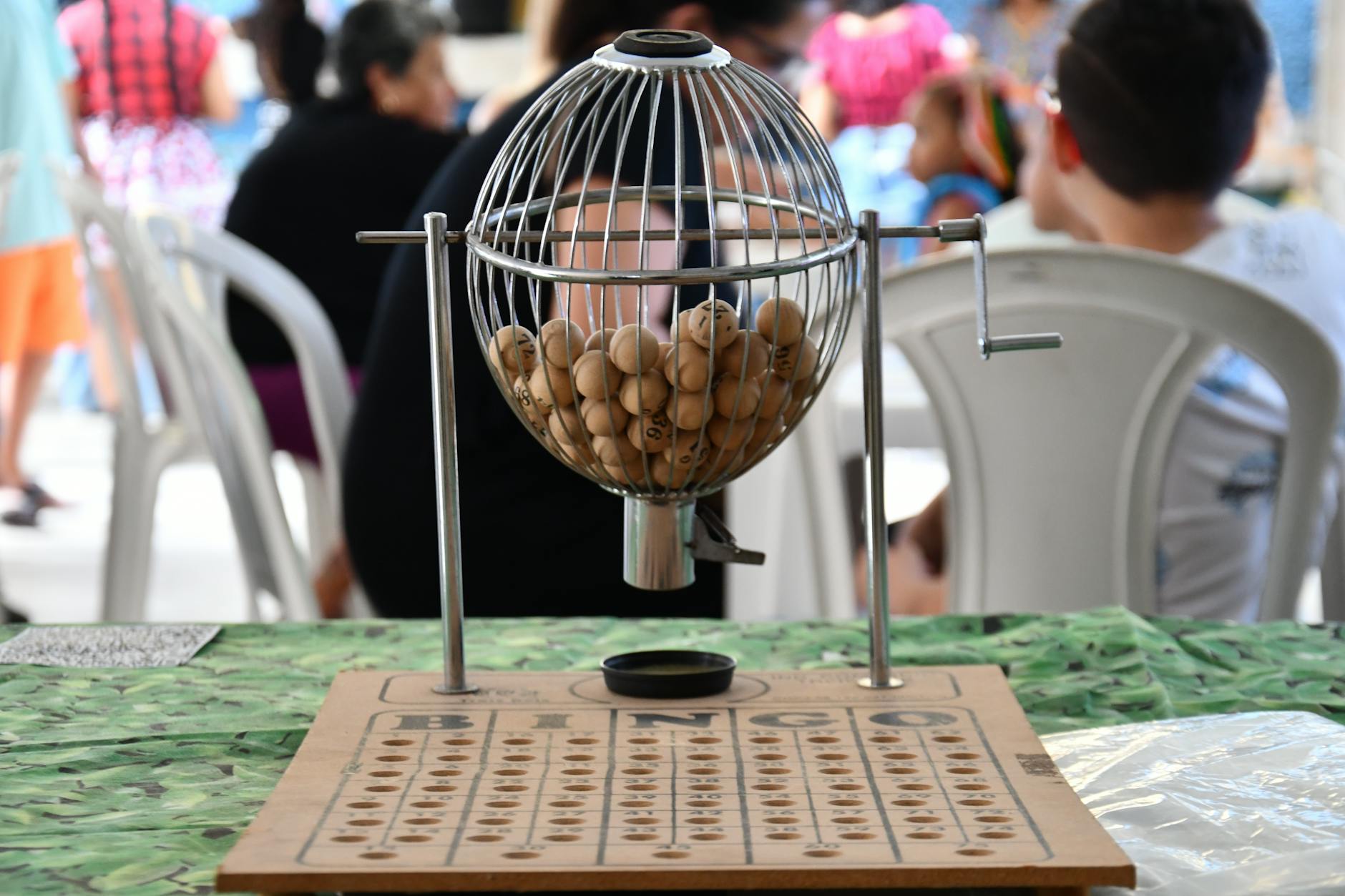
Photo by Anderson Rodrigues on Pexels.com

The YWCA Metropolitan Chicago was the lead contractor for the pilot program, according to the report. In total, there were more than 700 in-person events while the application window was open. About 176,000 people applied for 5,000 slots. Participants were chosen through a lottery system, according to the report.

How many might apply for a second program?

A second city pilot, rebranded as the Chicago Empowerment Fund, is expected to launch sometime in 2025, according to the city’s proposed budget. The program will again serve 5,000 “low-income families and returning Chicago residents,” and provide $500 for 12 months, but more details about the qualifications weren’t available.

I would guess more people will apply than the 176,000 who applied the first time. I am basing this on the presence of the first program and the economic uncertainty many people feel.

If the number applying is indeed higher, the odds of any individual getting into the program decreases. The situation reminds me of the documentary Waiting for Superman which effectively uses video of a lottery for a school – some students benefit, many do not – as a sign that the education system is not working as it should. At what point does Chicago or other organizations go for a larger and longer-lasting guaranteed income program?
The many people still on public housing waiting lists in Chicago

Many Chicagoans are on public housing waiting lists:

Photo by Artyom Kulakov on Pexels.com

There are 164,000 unique applicants across CHA waitlists, a CHA spokesperson said.

Americans on the whole may not like public housing but that does not mean there is not a need for it. Chicago, like many major cities, has long provided some public housing but what was provided did not adequately meet the housing needs (and created other issues). And the CHA waiting lists historically were long and did not open often for people to join.

Who has a plan to reduce the waiting lists and provide housing? Large-scale public housing is probably not in the works, but small-scale projects and scattered-site projects often only make small dents in the waiting lists and the larger need for housing.

Tackling housing at a metropolitan scale would be helpful. If Chicago does not want to or cannot address these housing needs, what other communities can or will? Or what if housing was viewed as an opportunity for the whole region to collectively address a pressing need?

Baseball games average 17 minutes 58 seconds of action

Surpassing football games, one analysis suggests baseball games average 17 minutes and 58 seconds of action:

By WSJ calculations, a baseball fan will see 17 minutes and 58 seconds of action over the course of a three-hour game. This is roughly the equivalent of a TED Talk, a Broadway intermission or the missing section of the Watergate tapes. A similar WSJ study on NFL games in January 2010 found that the average action time for a football game was 11 minutes. So MLB does pack more punch in a battle of the two biggest stop-and-start sports. By seven minutes.

The WSJ reached this number by taking the stopwatch to three different games and timing everything that happened. We then categorized the parts of the game that could fairly be considered “action” and averaged the results. The almost 18-minute average included balls in play, runner advancement attempts on stolen bases, wild pitches, pitches (balls, strikes, fouls and balls hit into play), trotting batters (on home runs, walks and hit-by-pitches), pickoff throws and even one fake-pickoff throw. This may be generous. If we’d cut the action definition down to just the time when everyone on the field is running around looking for something to do (balls in play and runner advancement attempts), we’d be down to 5:47.

I’m sure some might quibble with the methodology. Yet, the findings suggest two things:

1. A significant amount of excitement about sporting events may have to do with the time between action rather than the action itself. Sure, we care a lot about the plays but the fun includes the anticipation between action as well as the conversation and analysis that takes place then. In other words, sports involves a lot of patience.

2. The “feel” of the action may matter more for perceptions than the actual measurement of action. Football and other sports include faster action and more players moving at a time, giving an image of more total action. This particularly shows up on television. Perhaps it is more of a question of do fans prefer group action or more solitary action?