
When rush hour is continues to change:
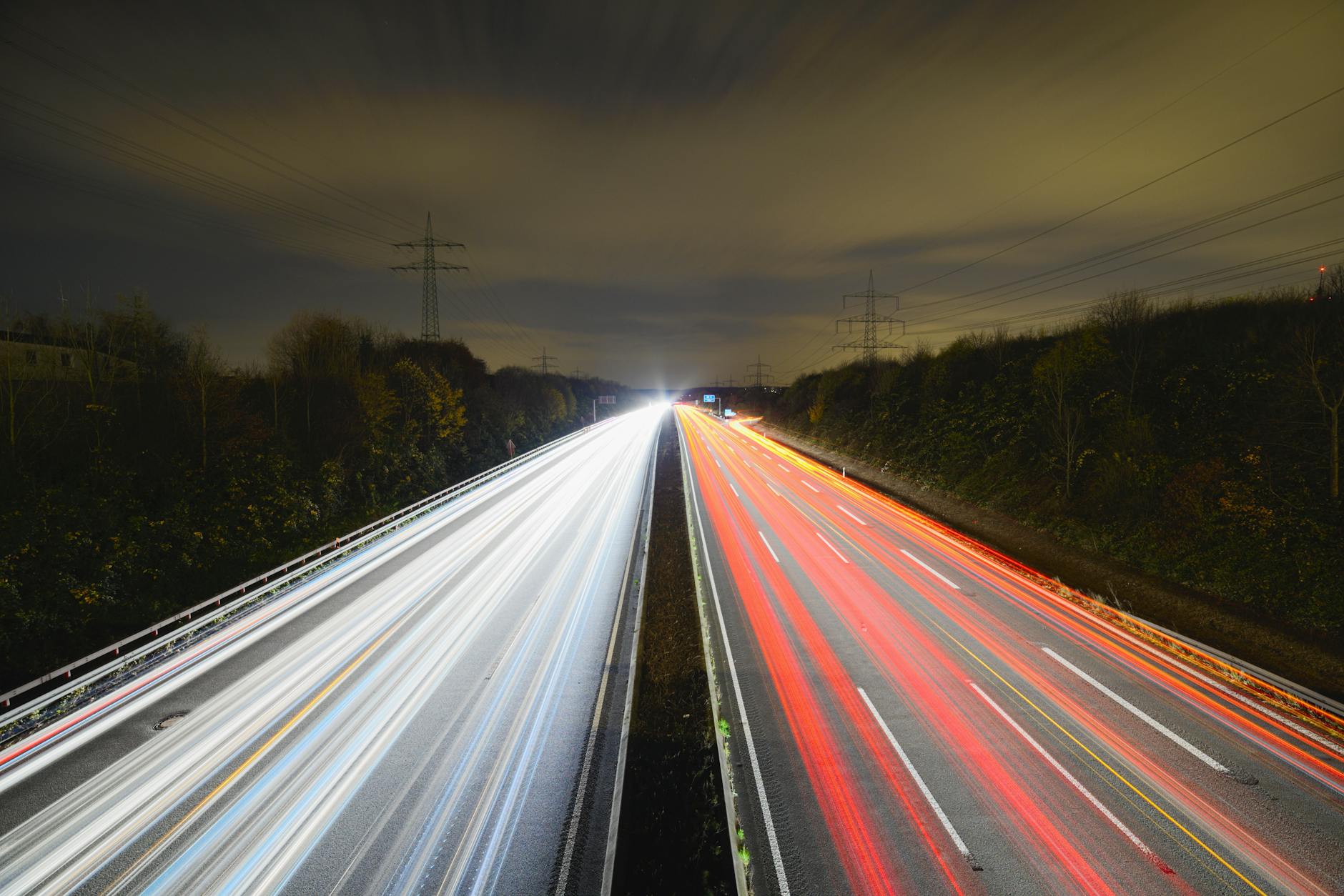
The traditional American 9-to-5 has shifted to 10-to-4, according to the 2023 Global Traffic Scorecard released in June by INRIX Inc., a traffic-data analysis firm.
“There is less of a morning commute, less of an evening commute and much more afternoon activity,” said Bob Pishue, a transportation analyst and author of the report. “This is more of the new normal.”
Now, there is a “midday rush hour,” the INRIX report found, with almost as many trips to and from the office being made at noon as there are at 9 a.m. and 5 p.m.
Also, commuters have all but given up on public transportation. Ridership sank during the pandemic, Federal Reserve Bank of St. Louis data shows, and never fully recovered.
The rush hour increasingly seems to be “traffic all the time!”
Since this has now been going on for a few years and also includes changes to truck use and ride sharing, what are cities and regions doing differently? What incentives do drivers and organizations have to choose other than drive by themselves when they want?
There does seem to be some possible good will to change traffic patterns when there are major issues, like significant highway repairs or the Olympics. When does regular traffic become a large enough issue that people start acting together?
Like I asked yesterday, are there cities and regions that do a better job at this than others?
 Legally Sociable