
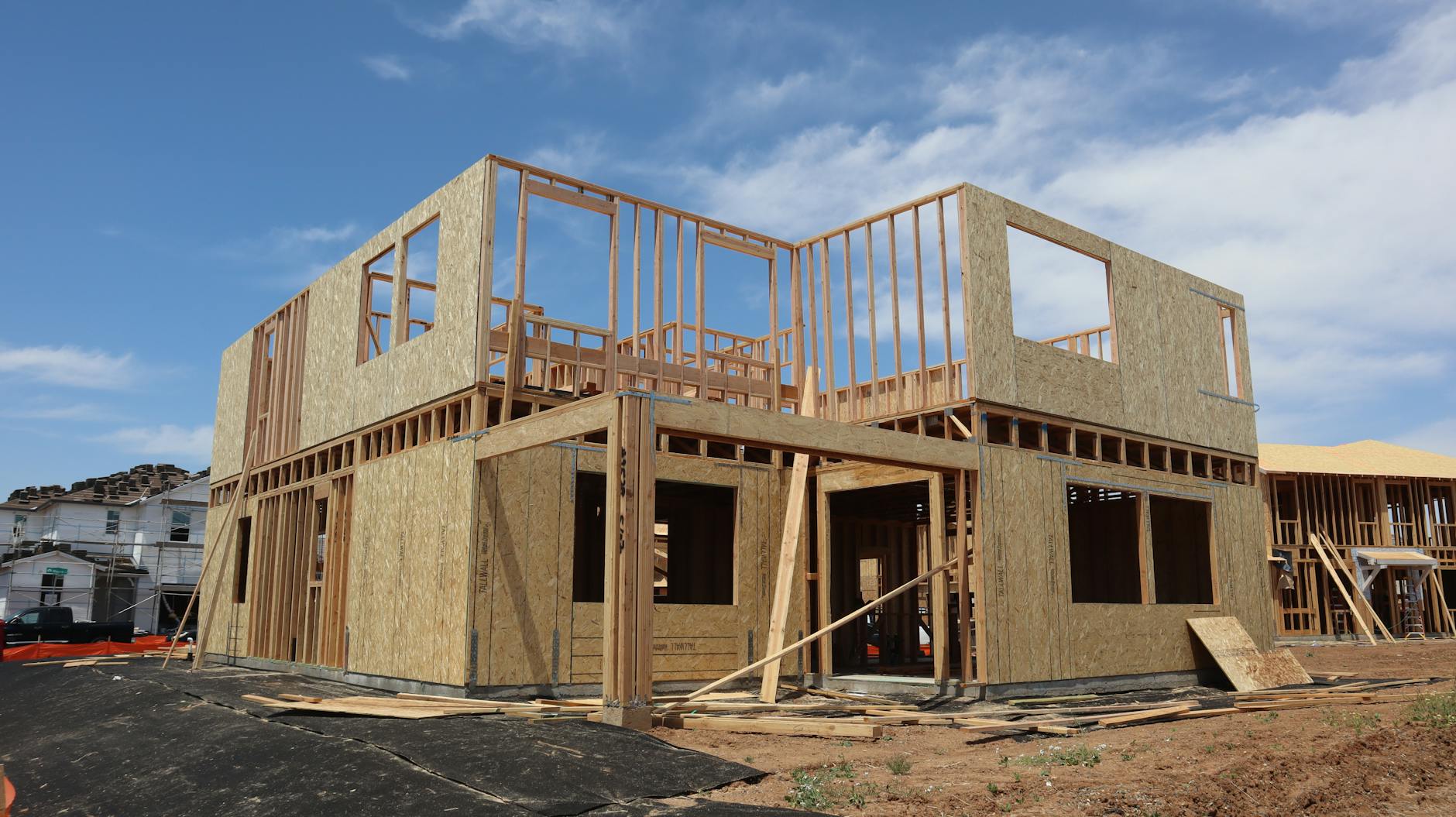
You are probably wondering why local officials are challenging the instinct of protecting local control. But here’s the reality: The housing market does not stop where our towns end. The housing market, and subsequent shortage, crosses municipal boundaries and affects communities across Illinois, from large cities to small towns. Yet the system for addressing it remains fragmented and reflects the larger problems that we are all facing — the fewer houses available, the more expensive those few become. That’s why we support a statewide solution to give us the framework to do the things that make sense for our individual towns. BUILD does not replace local control with a one-size-fits-all system. It does not override community character or dictate identical development across Illinois. It creates a tool kit for us to implement a housing vision for our individual communities that addresses our unique needs on an improved and more efficient, affordable and attainable timeline.
BUILD would mean more townhomes, two-flats, duplexes, cottages, bungalows — just regular types of houses that have historically formed the backbone of neighborhoods, made housing affordable and showcased the uniqueness of Illinois’ architecture. They are the homes that allowed working families, young people and seniors to live in communities they could afford. Somewhere along the way, these types of houses stopped being built. Regular, affordable houses have since become so rare that people think the only options are unattainable mega-mansions or luxury high-rise developments. It does not have to be this way.
BUILD would restore balance and establish a clear, statewide baseline that makes it possible to build regular types of housing in the first place. BUILD would establish minimum expectations and set a baseline to meet every locality’s housing needs, while preserving and enhancing the character of what makes each of our towns so unique. From there, we would retain control over how that housing fits in our communities through design standards, form and local context. We would still shape where housing goes, how buildings look and how development fits in our communities.
Several quick thoughts in response:
- This is an interesting mix of communities: two small towns, one in central Illinois, one in southern Illinois, and two Chicago suburbs. How many communities near them would agree with these arguments? Will there be a clear set of communities for and against this plan or will more quietly work behind the scenes?
- Each of the op-ed writers are leaders in their communities: three mayors, one village president. How many of their fellow local officials, elected or not, would agree with them? Pushing a little further, does this become an important local campaign issue for those running for municipal office?
- If there are some communities more open to the BUILD plan than others, would they end up with significantly more new housing units if the BUILD plan goes forward? Do they see the BUILD plan as the way to population growth and all that comes with that (status, construction jobs, etc.)?
And I would still be interested to know what kind of incentives would be needed for developers to take a big interest in cheaper or affordable housing in the four communities highlighted here…

