
The Chicago region has become a center for warehouses in recent decades:
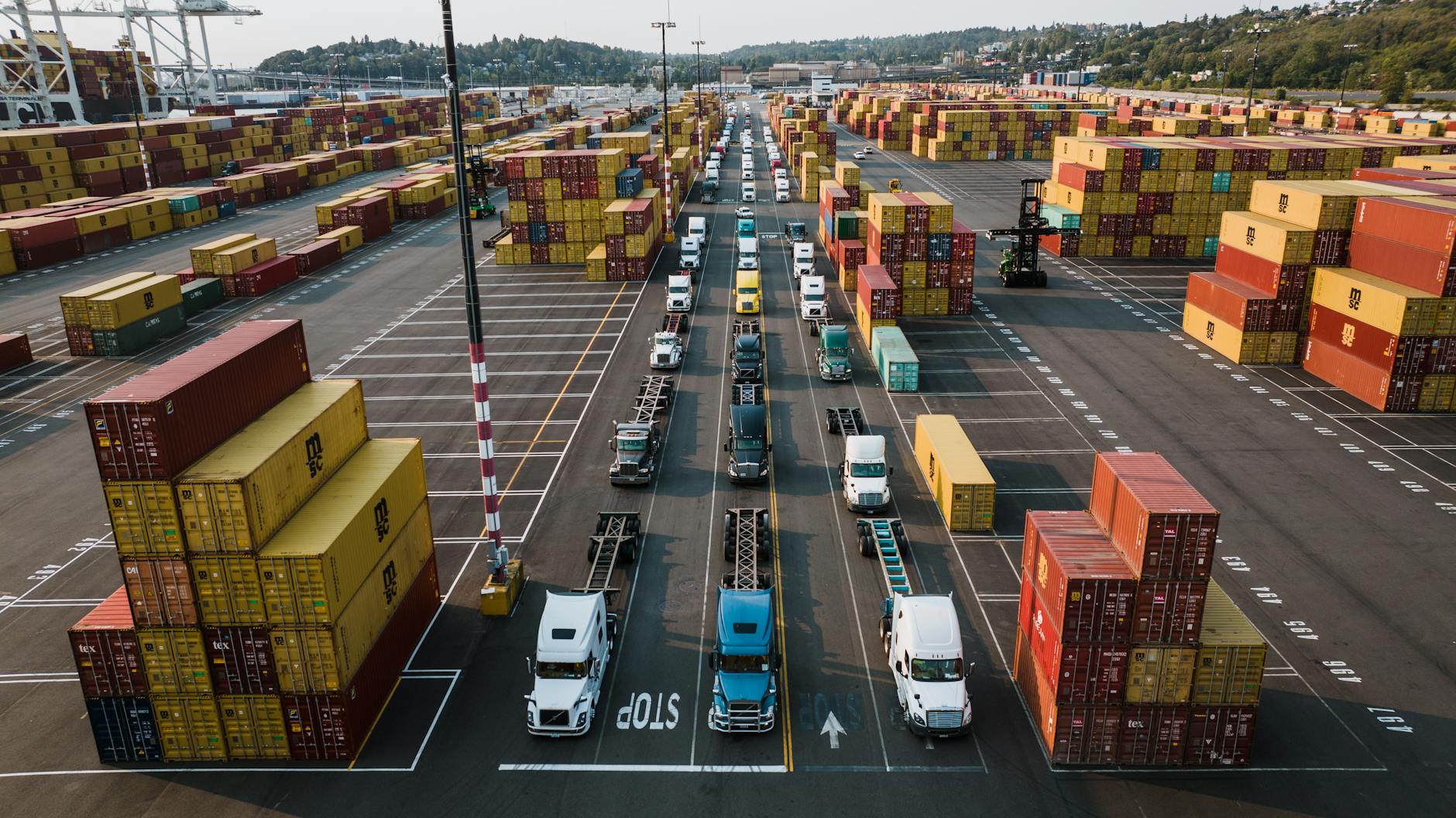
Few places in the nation have been transformed so completely so quickly. Since 2000, retail giants and developers have erected more than 146 million square feet of warehouse space in the Chicago area — equivalent in size to roughly 1,400 Home Depot stores…
But Chicago is in a different league. The warehouse boom in the Chicago suburbs took off in earnest in the early 2000s with the construction of the CenterPoint Intermodal Center, the largest inland port in North America, where trucks and trains swap goods. It sits just outside Elwood, a Will County town of roughly 2,200 residents. In 2015, Amazon opened its first Illinois warehouse, in Joliet.
For a study about warehouses and pollution, researcher Gaige Kerr examined real estate listings from the commercial data company CoStar and determined that there were roughly 6,800 warehouses in the Chicago area as of 2022. Their combined square footage eclipsed that of warehouse space in the Los Angeles metropolitan area — home to the nation’s two largest shipping ports — by 13%.
Of the nation’s 25 largest metro areas, Chicago had the most warehouse square footage per person, Kerr found.
The article goes on to describe the effects on local communities and residents. See an earlier post about some of these effects in the town of Elwood. Is it good to have all these warehouses? Some local residents do not think so. All the people who order online and expect quick deliveries may disagree.
At the same time, these figures cited above tell an important story: the Chicago area is now full of warehouses. With the changes in the retail industry, outlying areas in the Chicago region became home to facilities and vehicles that could quickly transport goods.
These changes build on advantages the Chicago area already had. It is located in the central part of the United States. It is connected via waterways to the Great Lakes and the Mississippi River. It was an early railroad center and has one of the busiest airports. It is the third largest metropolitan region in the US.
Would any city or metropolitan areas want to be known for warehouses? It is less glamorous than other industries. One figure might be interesting to add what is already reported here: how much do these facilities add to the local economy?

