
Celtic FC in the Scottish Premiership might be compared to a McMansion:
At the heart of it is a question; is Celtic nothing more than a McMansion?
A McMansion is basically a house built to look far more impressive than it really is. They became hugely popular in America from the 1980s through the early 2000s, when developers realised there was a market for enormous suburban homes with grand entrances, fake columns, huge windows, elaborate rooflines and all the visual trappings of wealth, even if the actual design was incoherent and the materials underneath were cheap…
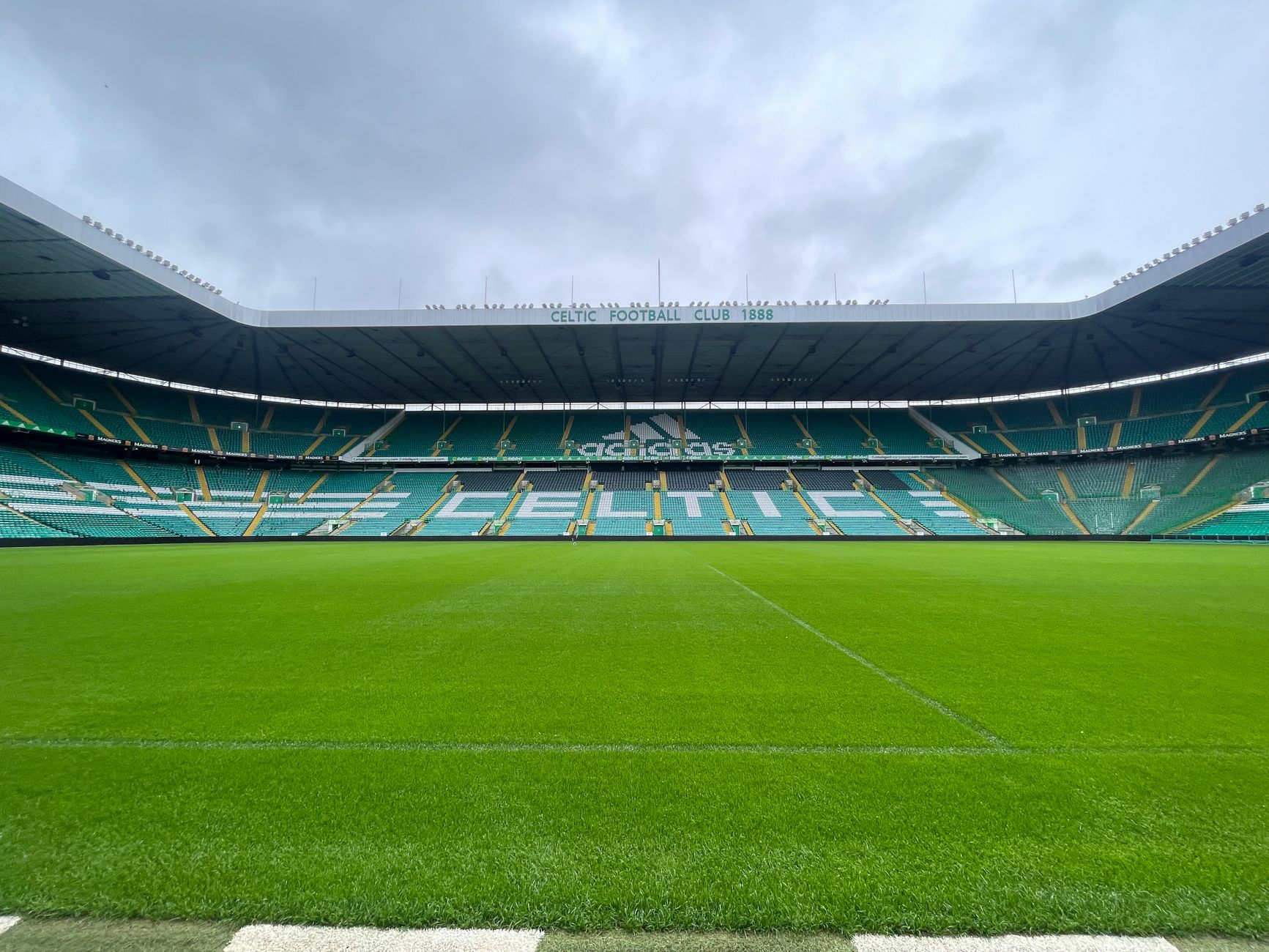
Because Celtic’s front elevation looks magnificent. We have that cracking facade; The Celtic Way leads up to the stadium with that impressive front door. The specs read great. Sixty thousand seats, a global support, European Cup history, championship banners, huge revenues, commercial partnerships, corporate hospitality, cash reserves and a stadium recognised around the world. On paper, and from the outside, this is one of the great football institutions. The photographs look fantastic, the brochures look fantastic and the accounts look fantastic. But walk round the back…
That is Celtic’s problem. With us, it’s not as straightforward as saying that it’s all an illusion, because the façade is not fake. The wealth is real, the scale is real, the support is real and the history is real. What is false is the assumption that all of that automatically means the institution underneath has been built to the same standard.
This comparison gets at the third dimension of McMansions: their architecture and design. The stereotype is that such large homes spend a lot of effort on the front. When people drive by or come to visit, they see a lot on the front of the house. Perhaps many windows, lots of gables, a two story foyer, pillars, and a mishmash of architectural styles. But walk around the sides and back and you might just see siding. Or go inside and the quality of the finishings is average.
I find the final paragraph cited above most interesting: the author does not say that the wealth or status is not real just because it is primary displayed in the facade. Rather, the appearances of the football club do not match the processes and outcomes. There is a lot of flash and little long-term success. Critics argue McMansions are fake and are going to fall down but they were (are, still, to some degree) popular and signify something. Many do not seem as bothered by the facade. Aren’t first impressions important? Wouldn’t you want to put your best face forward to the world?
The alternative analysis would be to suggest that a football club is a more humble home style but with quality construction and better long-term outcomes. It would be a home “with good bones” that could withstand challenges and changes in tastes. It would be steady. I do not know what style might match this in Scotland but perhaps in the United States it might be a traditional farmhouse or Victorian or bungalow (and not the newer imitations of these styles).

