
Plans and money are moving forward to adding more arts to the Loop:
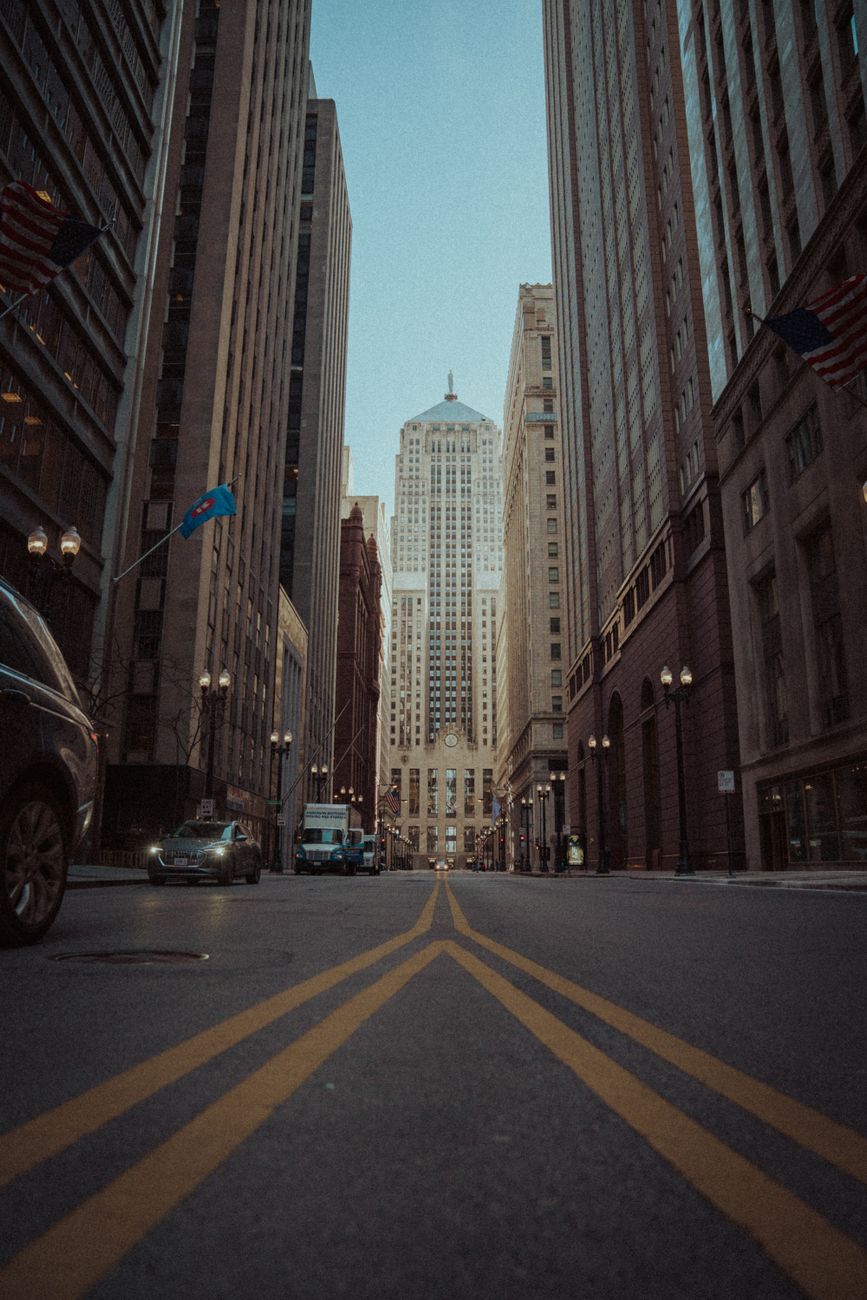
Backed by $2 million in private, corporate and government funds, the idea for the so-called “Cultural Stadium” was created by Lou Raizin, president and CEO of Broadway In Chicago. The proposal aims to weave arts and culture into the everyday lives of Chicagoans, especially those working in or visiting the Loop…
Some programming has already been piloted this summer and fall. Through a Cultural Umbrella pilot program that offered free days for children and their families to access the city’s major cultural institutions, more than 400 children and their parents attended events at places such as the Joffrey Ballet, Chicago History Museum, Chicago Children’s Theatre and the Adler Planetarium. The effort was funded by a $50,000 grant from the Department of Cultural Affairs and Special Events.
Also underway is “Poetry Way,” the creation of a digital display in the alley between Joffrey Tower and the Chicago Theatre in the Loop. The collaboration between the Poetry Foundation and the Joffrey Ballet launched during the Chicago Loop Alliance Arts Fest in October. A permanent debut is set for March 2027…
According to the Cultural Stadium website, other potential projects include The Link, which proposes turning a portion of Lower Wacker Drive into a music venue; The Vault, a large canopy and pedestrian walkway imagined for LaSalle Street, between Jackson Boulevard and Adams Street; and The Pause, which aims to “transform the humble public restroom into a bold statement of what a great city can be.”
For a long time, the primary activity of American downtowns has been business. Commerce. Making money. Commodities and financial products. Consumer and industrial goods. Stores, offices, markets.
That does not mean downtowns do not have other activities. Chicago’s downtown also includes restaurants, theaters, museums, some residential units, and more. Cultural activities are a key part of big cities.
So it will be interesting to see how much of a “cultural stadium” the Loop can be. How much of the activity is linked to interest in music, art, theater, etc. and how much of it is linked to economic development and tourism? Can the city with a downtown full of large buildings also feel culturally alive?
And the idea of a “cultural stadium” implies an arena or particular settings where people can expect spectacles. Can a downtown feel like a cohesive stadium when activity is spread out across blocks and locations?

