
What might help convince suburban residents that a data center is a good fit for their community?
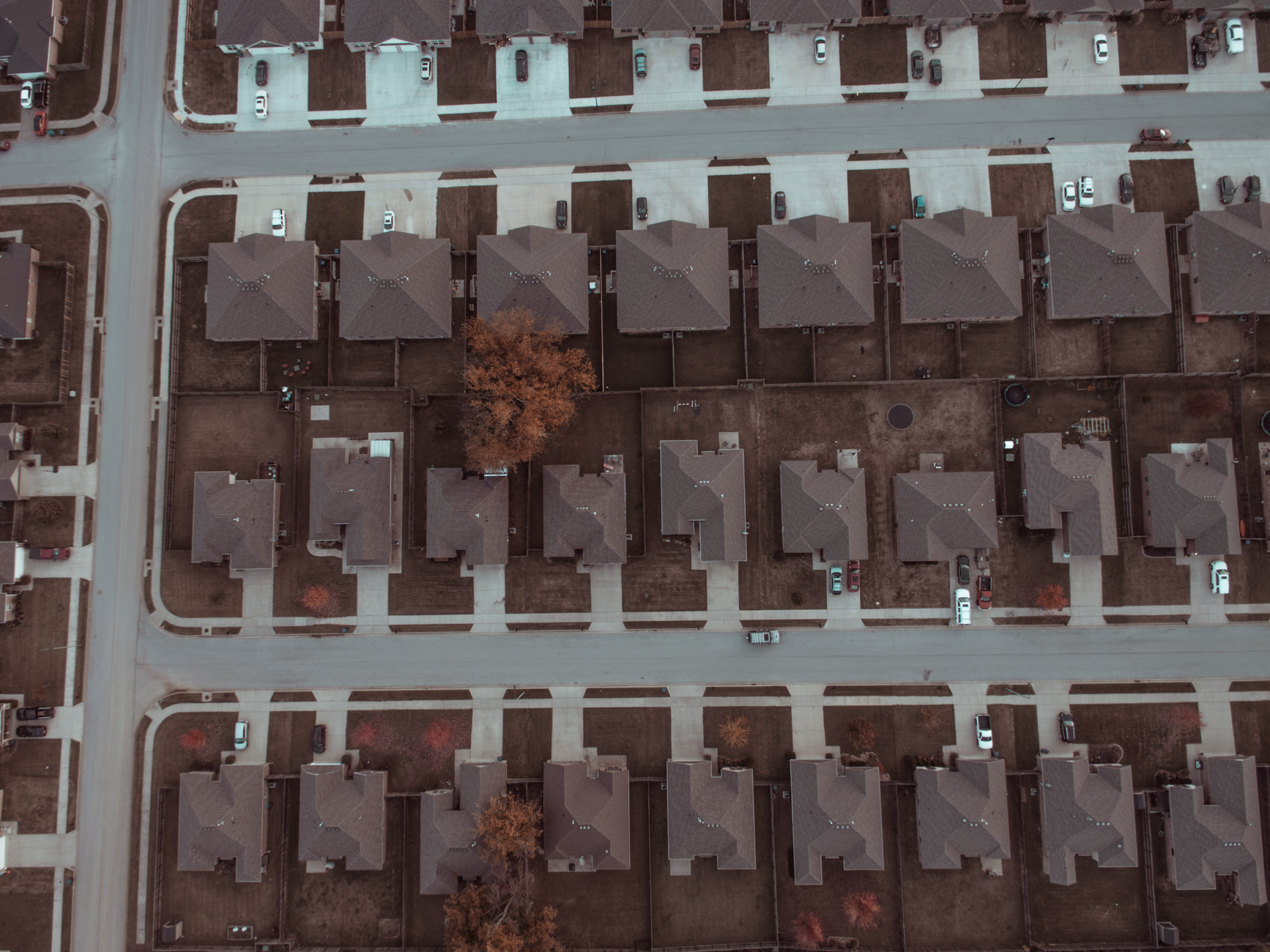
Experts say that certain data center PR tactics, like preparing responses for a national day of protest or building a website that allows residents to submit comments, work for any project. But they stress that every community has its own unique soft spots and tension points. The playbook that used to work in small towns and rural areas may not apply to the suburban bedroom communities where increasing numbers of data centers are now popping up.
“You kind of have a more sophisticated residency there—folks with more money, more resources, more time to spend on fighting these developments coming in,” Waitkunas said on the podcast. Years ago, a data center company could donate a quarter of a million dollars to the local school and everyone would be happy. But these days, “given the tax base that these local communities have and the demographics of the community, just simply writing a check isn’t going to make it a seamless process.” Instead, a data center might pledge to start a conservation project or build a new park—things wealthier towns appreciate more than a few hundred thousand dollars.
In the second paragraph cited, I hear several features of suburbs that data center firms have to contend with:
- Concerned suburban residents can keep data centers out. They have resources and political voice. They can mobilize to stop development that they do not like.
- Suburban communities are not swayed just by having a new business in the community (jobs, property taxes, status, etc.) or money; they want additional contributions to the well-being of their community (like parks or green spaces).
- The paragraph seems to be primarily describing wealthier suburbs who can be selective about their land use and the businesses they have in their community. The data center firms have to make a strong case that they enhance this already high-status community.
These strike me as unique features for a subset of suburban communities. I have not seen opposition to data center broken down by community type but I imagine a range of kinds of suburban communities – working-class, edge city, bedroom suburb, master-planned community, industrial suburb, etc. – would have a range of responses to data centers. Convincing a wealthier and smaller suburb that a data centers makes sense for them could be a very different pitch compared to other suburbs.
And if PR firms and data center firms know this, how much will they continue to try to build data centers in wealthier suburbs? Why not target land or properties in other kinds of communities that might be more receptive to data centers?

