
In the last two decades, I have studied the trajectories of a number of suburban communities. There is a common pattern in the paths these suburbs have traveled: even as they have grown and changed, current residents want their suburb to stay the same. Or at least have the same features and character that existed when they moved to the community.
I found another example of this recently in a local history of Lombard, Illinois. After describing decade by decade what had happened in what was first known as Babcock’s Grove, Mildred Robinson Dunning ends The Story of Lombard: 1833-1955 this way:
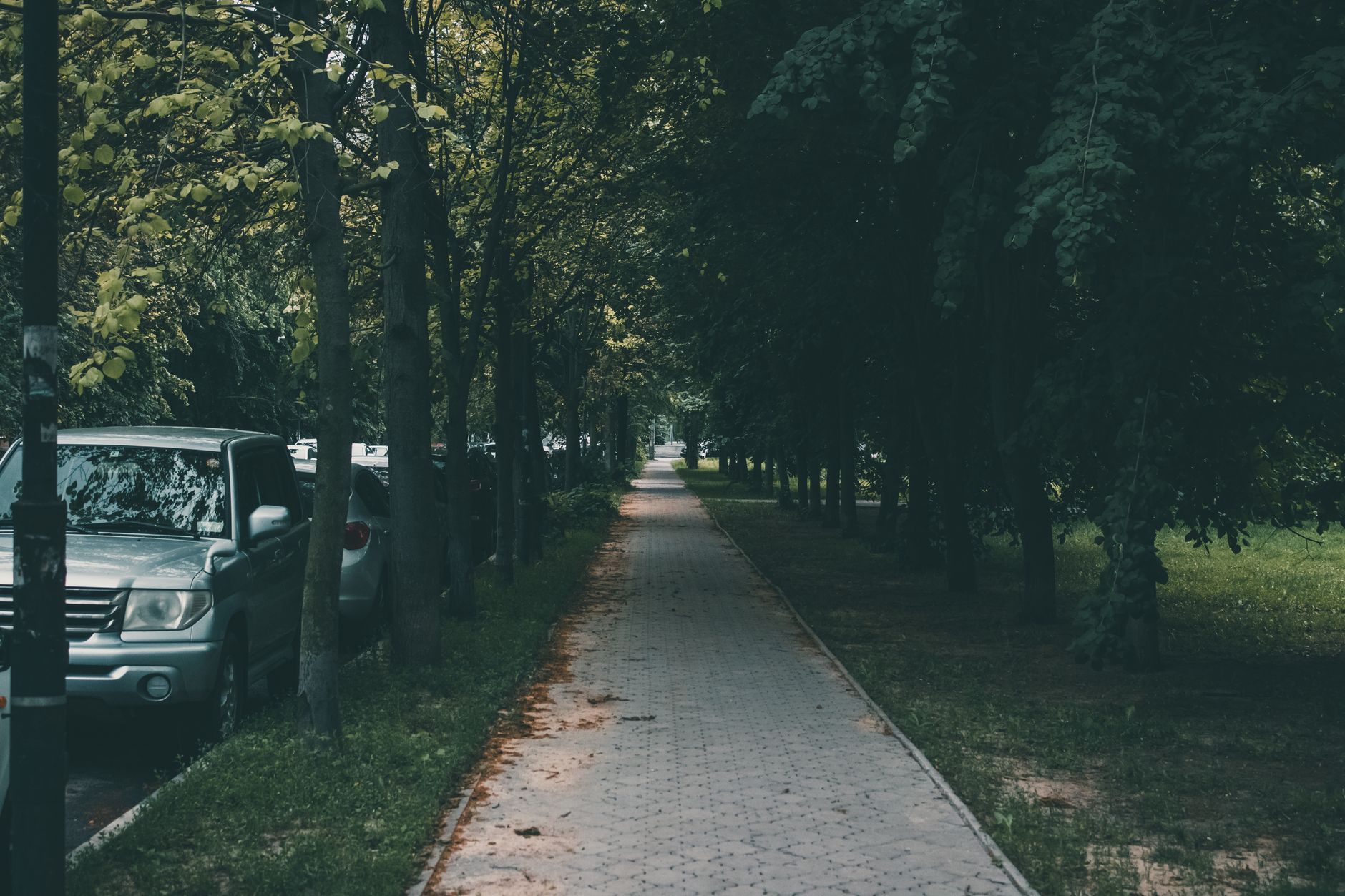
So now you have the STORY OF LOMBARD, a conservative suburban community of some 16,000 folk at the end of 1955, neither very rich nor very poor, a town built on gently rolling ground at the top of the ridge between Lake Michigan and the Fox River Valley, twenty miles west from Chicago. It is a dormitory town, a very large percent of its gainfully employed men and women finding employment outside of the town. Walk or drive down its lovely old streets, noting its homelike appearance with its well kept homes and lawns, beautiful shade trees, churches and school, parks and playgrounds. Say a “thank you” to the folk who, with foresight, persistence and patience, have made it the town that it is. It IS a nice town. So much for the past; the future of Lombard is pretty much up to all of us. Let’s keep it a nice town. (62)
These sentiments are not unusual in local histories: the founders were virtuous, the community has slowly grown, and it should continue going the way it has been. There is a hint of major change on the horizon – the population was 9,817 in 1950 while in 1960 it would have 22,561 on its way to a current population of over 44,000 – but Dunning suggests “Let’s keep it a nice town.”
What exactly does this mean? When she was writing, Lombard was not the same place it was in the 1830s and most of the 1840s before the railroad arrived and few people lived there. It was not the same place in 1955 as it was in the 1920s. One way to read this argument is that suburban residents do not want their community to lose the fundamentally attractive suburban features it had. Dunning notes that it is a bedroom community. It has “lovely old streets” with “well kept homes and lawns.” It has amenities for residents to enjoy. The people who lived there cared for it.
Another way to think about this argument is suburban residents fearing change and what might happen. If the community quadruples in size (as Lombard does between 1950 and 1980), does day to day life fundamentally change? Do these bucolic suburban features go away? Who are the new neighbors who will move in? Will Lombard continue to be stable, quiet, conservative?
Suburban communities rarely stay exactly the same for long. External forces and internal decisions push them in different directions. Local leaders and residents have a sense of what they think the community was and what they hope it might be. And it is easy to give in to thinking the suburb had a golden era where it was truly a suburban paradise.
Lombard residents and leaders might very tell today describe their suburb as a “nice town.” How they do so might differ from Dunning as seven decades have passed and Lombard is a larger and different suburban community. They, too, might say that they want Lombard to remain the place that it is rather than becoming something else that they would not like.

