Founding a new city in 2023? Quietly buying up property, sending out text surveys

If you wanted to found a new community today, how would you do it? One group is buying up a lot of acres in the Bay Area and sending out surveys:
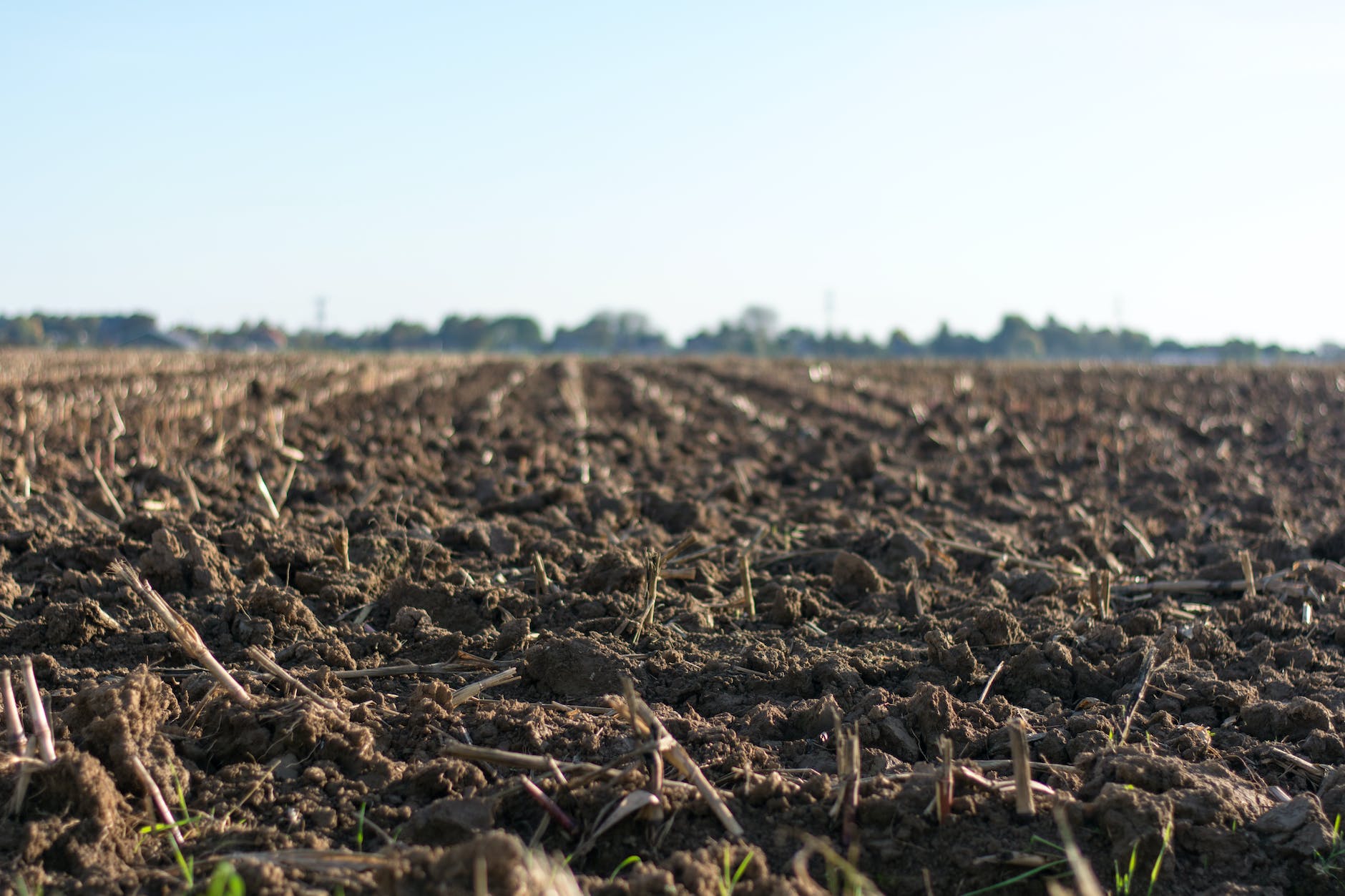
Photo by Jan Kroon on Pexels.com

Amid a flurry of rumors about a mysterious buyer who has purchased 52,000 acres in Solano County, local residents have received a survey gauging support for a “new city with tens of thousands of new homes.”…

Screenshots of the survey reviewed by SFGATE show an extensive market research campaign. It starts by informing recipients that they will be weighing in on “a description of an initiative that might be on the ballot in Solano County next year” regarding a new development in eastern Solano County.

“This project would include a new city with tens of thousands of new homes, a large solar energy farm, orchards with over a million new trees, and over ten thousand acres of new parks and open space,” the survey continues…

Since news of Flannery’s acquisitions broke, locals have speculated the buyer could be planning anything from a deep water port to a regional airport to even a nuclear power plant. But building a new city from scratch would present its own set of challenges. For one, the developer would need to acquire water rights to support large suburban housing tracts. And, according to Farley, it would need to change Solano County’s “orderly growth” policy, which restricts urban development in many parts of the county.

Buying up land quietly has a long history. If plans are made public, land prices can go up. People start raising objections. Thus, developers try to acquire land behind the scenes and then make a proposal.

The text polls are interesting. Presumably, they can help the buyers/developers tweak their plan and/or public pitch for development. The data might not be great – how many local residents will respond to an anonymous poll? – but it could provides hint of what locals see as doable or what they do not like.

Almost regardless of what is proposed for this land, expect a lot of response. Housing is needed in the Bay Area but neighbors and leaders will certainly have concerns. Additionally, I would expect commentary on how the process has progressed to that point.
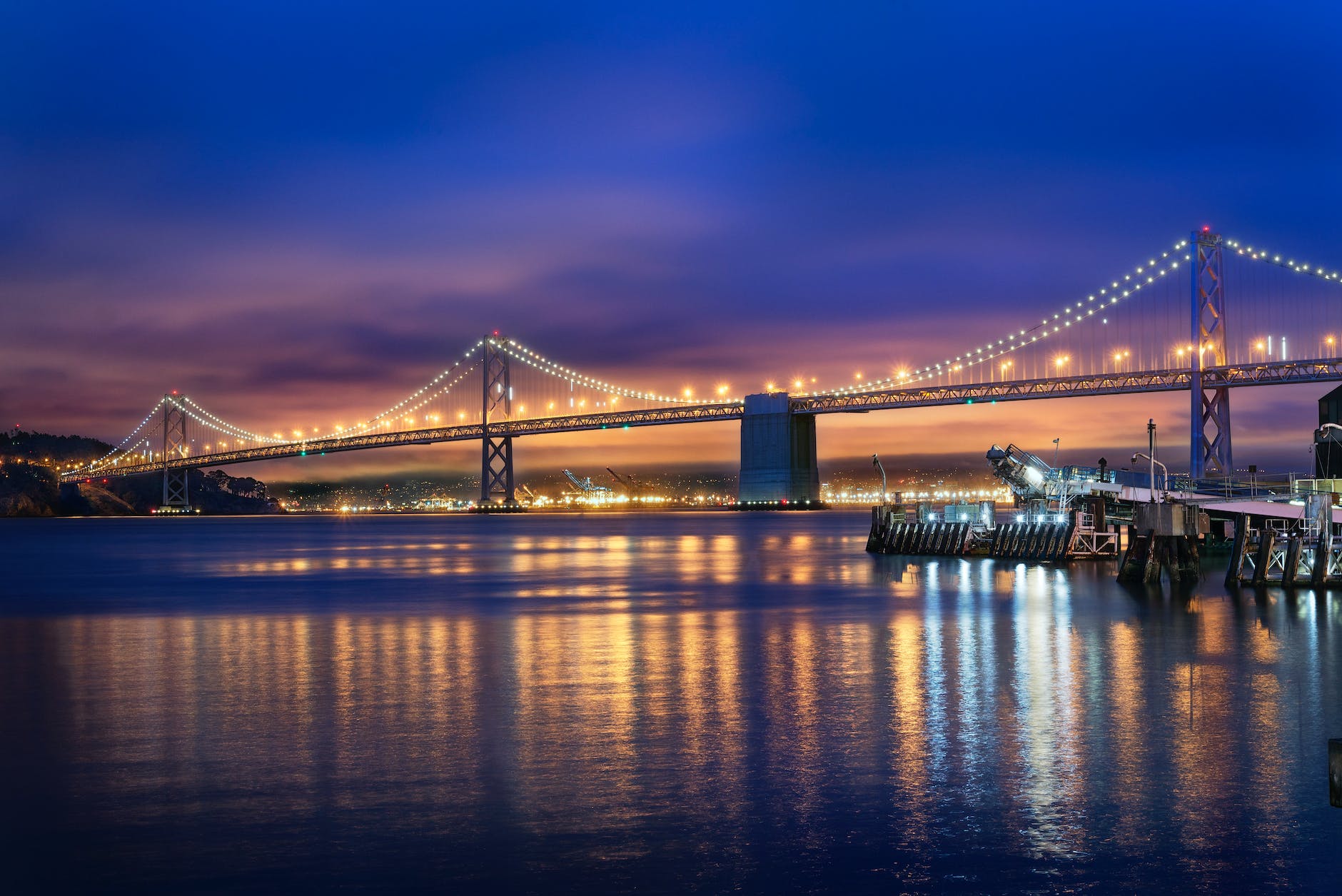
An expanding Bay Area megaregion moving toward Sacramento…

How big could a Bay Area megaregion get?

Photo by David Henry on Pexels.com

The Bay Area exodus may be mostly a myth, but the trend of people moving inland, leaving coastal metros in search of more space at better prices, is growing. There are more people moving to Sacramento from the Bay Area than anywhere else in the country, according to Redfin data. People moving from the Bay Area to Sacramento isn’t a new phenomenon, but COVID-19 sped up a process that experts say was inevitable, and it could have long-lasting effects on the state…

They’re far from the only ones who have made the move, and all the new transplants are having a significant impact on Sacramento’s population, which grew 26% between 2000 and 2019, according to census data. The Bay Area’s grew just 14.6% during the same period. A recent study conducted through a collaboration between the University of Southern California, Occidental College, and UC Davis suggests increased migration could even be creating a “megaregion,” breaking down barriers that traditionally separated the coastal cities of the Bay Area from the inland region around Sacramento.

The “megaregion” and the resulting demographic shifts will have an outsized impact on traffic and infrastructure, creating new needs for California’s future. While the study showed there was a small dip in the proportion of people commuting to the Bay Area from Sacramento County, the percentage of people “supercommuting” — defined as a commute of more than 50 miles — had grown from 17% in 2008 to 20% in 2018. That percentage grew in every Central Valley county studied and is likely to continue as high-wage earners with jobs centered in the coastal metros seek larger homes inland…

The issues are not limited to Sacramento and the surrounding suburbs, according to Rodnyansky, and his research suggests the megaregion could stretch all the way to Fresno. Past Sacramento, people are also spreading out to surrounding El Dorado and Amador counties, where they will likely face challenges they’re not prepared for, like managing their land for increasing wildfire risk.

Three thoughts come to mind:

  1. Is there anyone these days seriously opposed to megaregions? I could see some concerns rising about distinct identities of particular cities and communities or addressing increasingly complex problems in a growing region. Yet, having a larger region means a larger economy, a bigger population, and an increased status.
  2. It would be interesting to hear more about communities in between these areas. What is it like to live between Oakland and Sacramento that might feel a pull one direction or another?
  3. Now is the time to be planning ahead to the issues an expanding region brings. Can the infrastructure handle this? How should disputes between communities and major actors be resolved? Are there new population and business nodes that will develop? (Is there a point where development should not continue? This is not the kind of question that tends to be asked in the United States when growth is good.)

Are there wealthy American residents in favor of denser housing near their home?

If basketball stars and billionaires are opposed to denser housing near them in Atherton, California, where are there wealthy residents of the United States willing to have denser housing near them?

Photo by jd garrett on Pexels.com

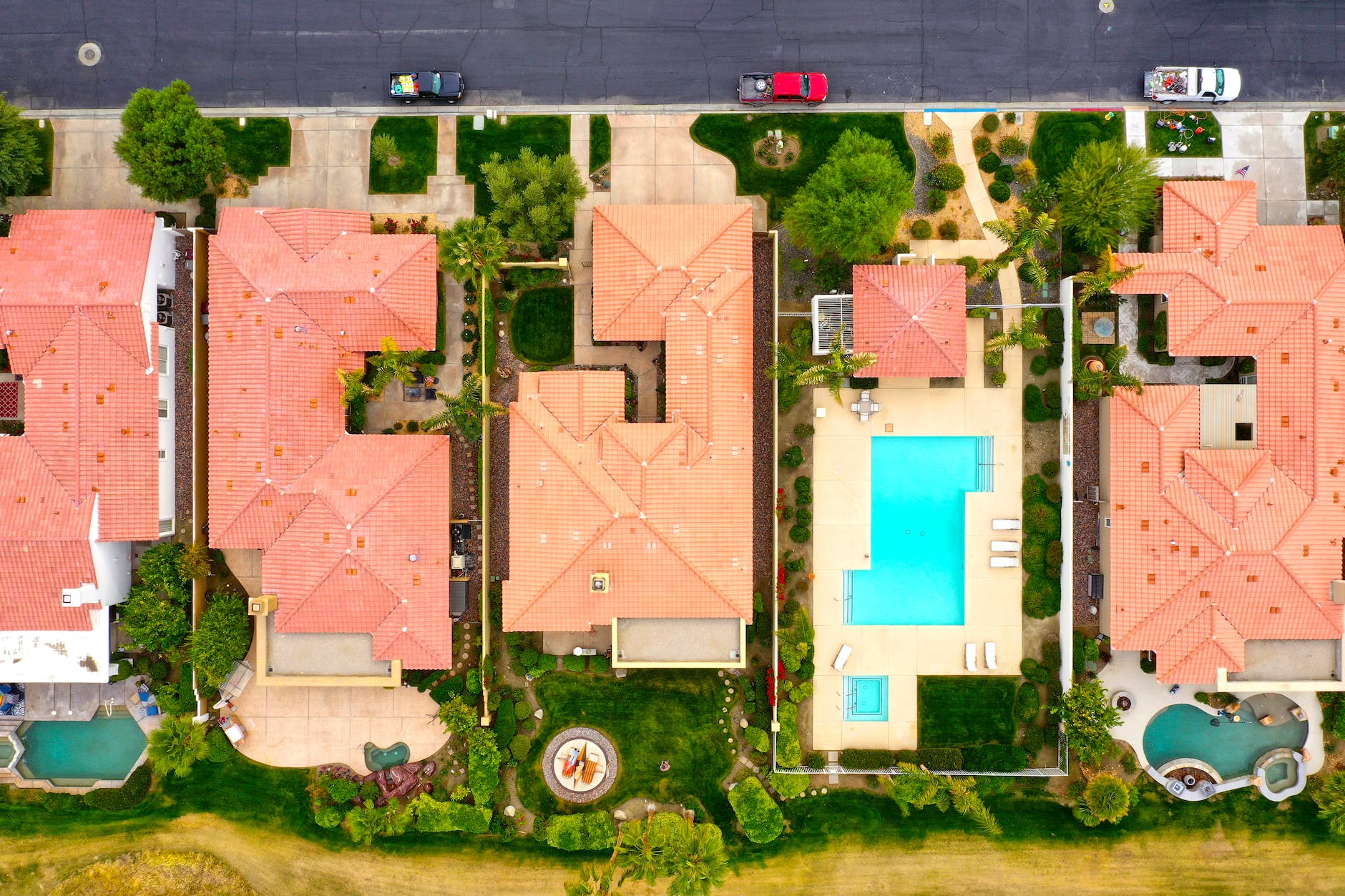
Atherton is a small suburb – under 7,000 residents – with a median household income of over $250,000. In question is a California effort to increase affordable housing.

Are there any or many communities in the United States where the wealthy do not pursue NIMBY policies?

Could it be different in places where wealthier residents can escape by living high up in the air? I am thinking of residences like the pencil skyscrapers just south of Central Park or the new condos south of downtown LA.

Or, could it be different in places that are more rural? According to Wikipedia, Atherton “has very restrictive zoning, only permitting one single-family home per acre and no sidewalks. This policy that prohibits homes from being on less than an acre.” But, imagine a place with even bigger lots and more room. Would denser housing in part of the community be perceived as less problematic by neighbors?

I am open to hearing about wealthy communities where affordable housing is desired and pursued.

For five years running and the highest priced real estate by close to $2 million: America’s most expensive zip code

One way to consider the geographic concentration of wealth in the United States is to look at the most expensive zip codes. The leader is both persistent and has housing costs significantly above others on the list:

Photo by cottonbro on Pexels.com

“Reaching a new record median sale price at $7,475,000, Atherton’s 94027 remains the #1 most expensive zip code in the U.S. for the fifth consecutive year — nearly $2 million ahead of the runner-up,” the real estate property firm said in a news release. “Not only that, but the billionaire favorite also saw its median rise 7% year-to-year, suggesting that this exclusive enclave may continue to retain its leading position in the future.”…

The list of the ten most expensive zip codes includes several locations in the Bay Area, one in the Boston area, one outside New York City, one in Miami, several in southern California, and one outside Seattle. These are not surprising given the money in such locales plus the high real estate values in these markets.

At the same time, the Atherton zip code stands out. The housing is almost $2 million higher than other desirable locations. This does not necessarily it has the most expensive properties in the United States but it does speak to the uniformity across the zip code. And this has been the most expensive zip code for five years running. There is consistency which could be related to development activity (or a lack thereof), demand for housing in that particular place, and local regulations and zoning.

Even as numerous scholars have studied the concentration of poverty in certain locations or gentrification and changes in particular locations, I have not read as much on the concentration of wealth. How often does top-end wealth change locations? I would guess at least some of the zip codes in the top ten have been significantly wealthy for a long time. However, locations can change, new industries arise, and capital can move and real estate fortunes change. How different would a similar list be several decades ago or a century ago in the United States?

Increasing residential segregation in the Bay Area

A new report shows an increase in residential segregation in the Bay Area over recent decades:

Photo by Mohamed Almari on Pexels.com

The Bay Area has become more racially segregated since 1990, mirroring a long-running national trend of cities and neighborhoods dividing more starkly along ethnic lines, according to a new study by UC Berkeley researchers.

Oakland, Fremont, San Francisco and San Jose are all among cities ranked as “highly segregated” by the university’s Othering & Belonging Institute…

Menendian said land use policies, including restrictions on denser housing and apartments, have driven segregation, particularly in the Bay Area. “It’s crystal clear that excessive restrictive zoning plays a significant role.”…

The impact of segregation, Berkeley researchers say, is clear: residents in communities of color have lower future economic gains, educational achievement and poorer health.

The full report includes a number of interesting sections.

In some ways, the Bay Area is seen as a success story. Exciting cities and and cultural opportunities. Proximity to Silicon Valley and the tech industry. Diversity. A striking setting. But, this report hints at a darker side of this success: an ongoing process of homogenization. Divisions by location based on race and class. Zoning that keeps uses and people separate.

Do the two trends – success and division – necessarily go together? One does not have to lead to the other or vice versa. The same project found high levels of residential segregation in cities in the Midwest and Northeast, places without the same level of success as the Bay Area in recent years.

One way to think about this is to look at how the region as a whole could address this. Individual municipalities could address particular topics – like affordable housing or zoning issues – but might only help so many people and push the problem into other communities. A region-wide approach would help think about how gains can be shared and how concerns can be addressed by all. Even the biggest cities cannot go it alone when they rely on nearby places for workers and amenities.

Another matter to think about as addressed in the final paragraph above: residential segregation has cascading effects that can last for a long time. Where people live affects many aspects of life, ranging from what jobs can be accessed, the quality of housing, what is available through local schools and other institutions, and more. This is not an issue of people choosing to live some places rather than others; residential segregation speaks to patterns that can become reified and can physically establish different social worlds.

Finally, I am reminded of the Emerson and Smiley book Market Cities, People Cities. Is the long-term goal of the region to put the economy first? Or, is there enough interest in promoting more people friendly policies? The reputation and history of the area suggests there are resources and collectives to move toward more people oriented policies. However, this is a difficult move for any American city as social, political, and economic forces push toward placing the economy first.

Changes in housing costs in metropolitan regions are more easily navigated by some

Rents may be down in parts of San Francisco but some people moving within the region or outside of it have encountered higher housing prices:

While rents in San Jose have fallen 6 percent since January, tech havens in Santa Clara County — including Mountain View, Sunnyvale and the city of Santa Clara — have seen rents fall by at least 11 percent during the covid pandemic, according to a new study by Apartment List. Rents also declined in the East Bay.

The exodus of now working-from-home techies from the Bay Area has left openings and rent discounts at complexes near the tech giants. The uncertainty of the pandemic has driven renters back home, to spacey outer-suburbs or to remote towns and resort communities such as Lake Tahoe…

The demand for more living space and the shortage of homes for sale has driven up single family home prices in Silicon Valley, with suburban buyers pushing median prices to $1.33 million in Santa Clara County and $1.63 million in San Mateo County in September, according to CoreLogic data…

Popov said rent declines have generally decreased the farther away you get from San Francisco. Outer markets in Salinas and Sacramento, for example, have seen rents climb.

The effects of COVID-19 illustrate how housing prices within a region or within contiguous regions do not necessarily all follow the same patterns. Even as one area might experience less demand in one part of the market – rental units in particular neighborhoods communities, other portions of the market – such as single-family homes – may be more expensive.

In a market like this, those who can move around have some advantages. First, those with resources and particular occupations can move away from areas with more cases of COVID-19. This could have a direct effect on health. Some of these workers might return when COVID-19 is no longer a concern but for now they can be in less dense areas and work from home.

Second, some people are more able to move than others. Even if prices are going up in desirable locations, they can pay more. They have particular occupations that allow them to work from home, an option that is less possible certain job sectors. Perhaps their social networks and connections to local institutions are more fluid and accessible remotely.

This discussion occasionally comes up when people look at available jobs throughout the United States. The question will arise: how come more people do not move to go where the jobs are and take advantage of the economic opportunities? Moving is not a simple task. It involves more than just having a good job or not.

The same can be true of housing costs. The price of renting or buying a home can vary dramatically from place to place. Yet, a large number of people may not move one way or the other for a variety of reasons. And since jobs and housing prices are linked for many, it can be hard for many to simply leave the expensive Bay Area or move within the region to take advantage of lower rents or costs in some areas.

Constructing needed housing and other housing during COVID-19

Even during COVID-19, construction goes on in the Bay Area amidst a need for housing:

California’s shelter-in-place order has forced millions of people to stay home and businesses to close to prevent the spread of the novel coronavirus. Some construction workers, however, are still reporting for work to build and renovate Silicon Valley mansions and San Francisco luxury condos because of carve-outs in shelter-in-place orders that exempt any housing construction as “essential” business.

Local officials say residential construction of all kinds is necessary to address the region’s housing crisis. The exemption means affordable housing projects are moving forward, too…

In Palo Alto, where the median property value is $3 million, according to Zillow, residential construction has been so ubiquitous that the city’s new coronavirus support line was inundated with calls about what kind of construction was permitted under shelter-in-place, according to the city’s daily coronavirus newsletter Monday. This past week, crews showed up to work on single-family homes valued on Zillow at $7.3 million for an eight-bedroom house and $9.6 million for a five-bedroom house…

Backlash from concerned neighbors is predictable, said Laura Foote, executive director of YIMBY Action, a Bay Area network of advocates for increased housing supply at all economic levels. “People find new reasons to believe what they have always believed,” she said. “We have a housing shortage and that is what’s driving up cost. More housing also helps bring down the overall cost.”

The article goes into more detail about the debates over the continued housing. There appear to be multiple issues: whether any construction should go on, whether construction should go on for building luxury or expensive housing, and if construction goes on, whether workers and developers should follow rules about social distancing.

This is both a reminder of the lingering issues in a world very focused on COVID-19 as well as the complications of housing questions in the Bay Area and California more broadly. Fiinding solutions has proven difficult; building more affordable housing in many regions depends on local actions which wealthier communities tend to avoid.

Perhaps the question coming out of the pandemic will be this: will the Bay Area, the Seattle area, New York City, and other tight housing markets be more open to affordable housing conversations and action after everyone had to unite (or at least agree to stay away from each other) for a common cause? Crises tend to reveal inequalities but they do not always lead to efforts to address and rectify the problems.