
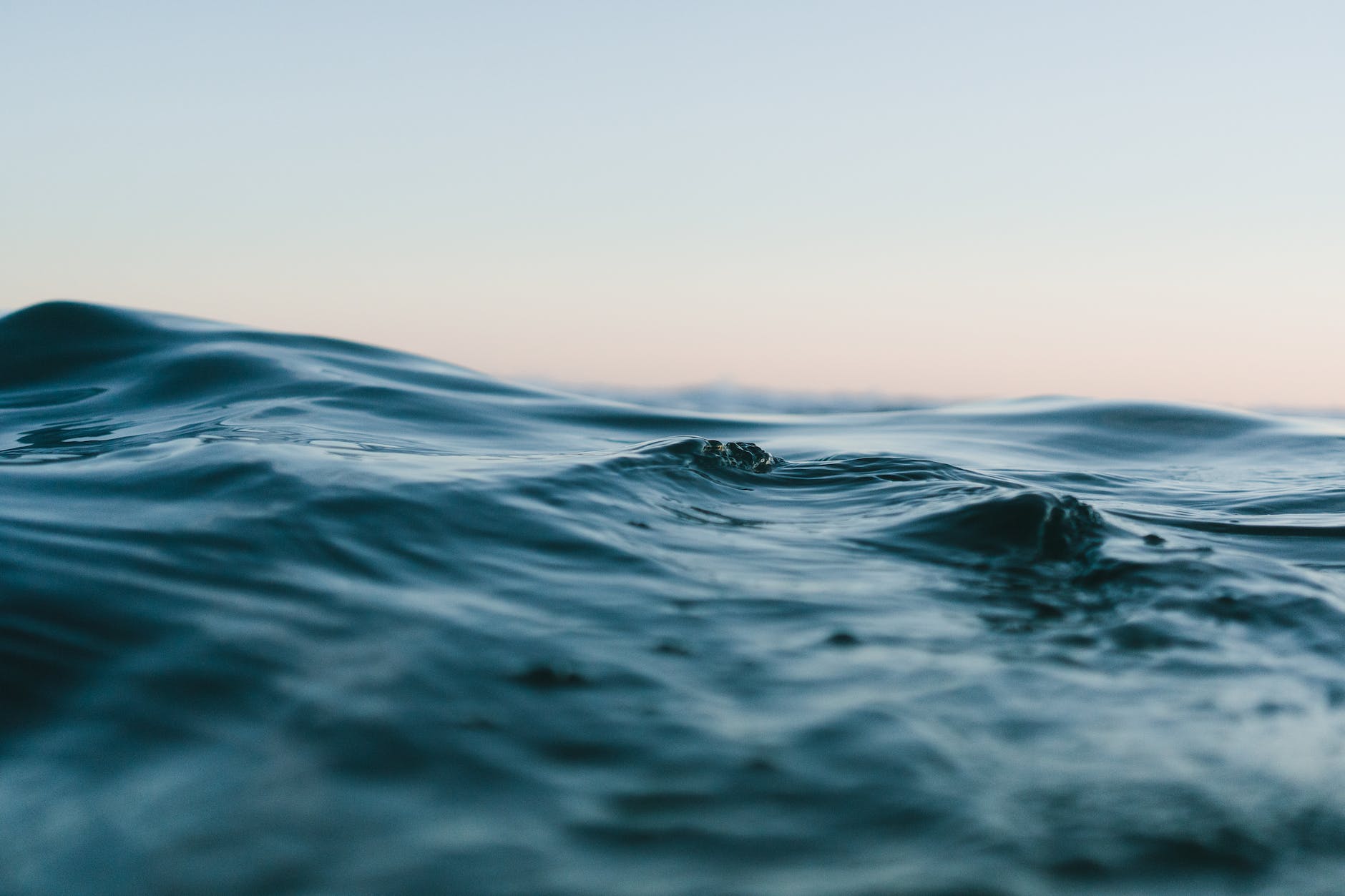
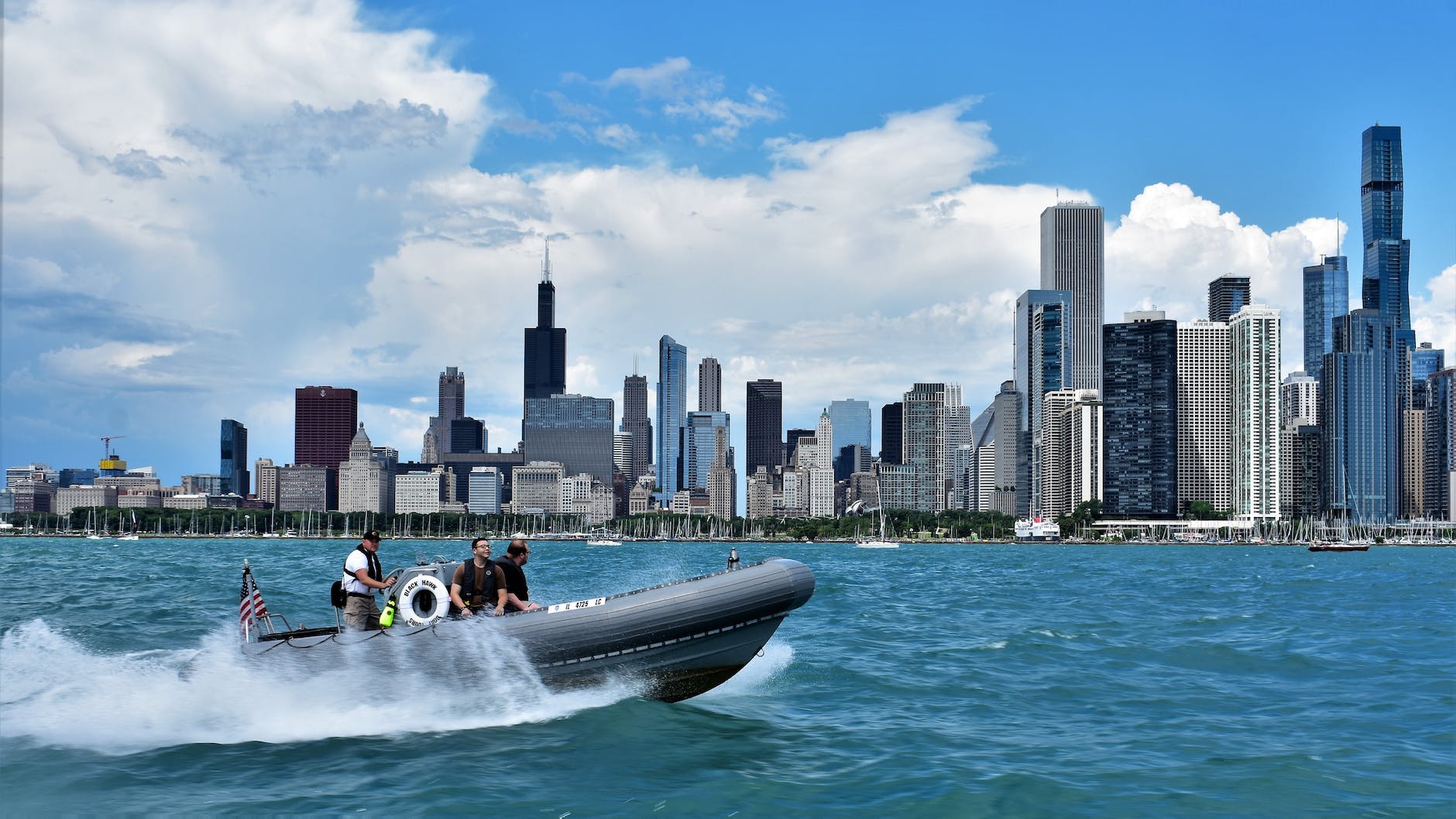
A late summer swim in Lake Michigan can be exciting. It is early September or even later and you test out the water. Dip a toe in. See if it is warm. And sometimes it is. Warm enough to jump in, swim, play. Even if school has started or fall seems to have already begun (even if it is not “officially” started by the calendar) or municipal pools have already closed, the warm waters of the lake prolong summer.

As someone who has visited Lake Michigan throughout my life, these are good moments. Lake Michigan is not always warm enough for swimming, whether testing out the chilly waters at Memorial Day or finding that a change to a north wind overnight has cooled the water temperature too much.
There may be more late summer days like this in the future as the Great Lakes are warming:
Lake Michigan is heating up. The lake’s surface temperature has surpassed the running average dating back to 1995 nearly every day this year, according to National Oceanic and Atmospheric Administration (NOAA) data. And it’s not just one Great Lake. All five are warming. The massive bodies of water, which provide drinking water to more than 30 million people, are among the fastest-warming lakes worldwide, according to the federal government’s Fifth National Climate Assessment.
It’s a trend that doesn’t show any sign of slowing. As heat trapping-greenhouse gasses continue to accumulate in the atmosphere, the Great Lakes region is projected to grow warmer and wetter in the years and decades to come. Over a fifth of the world’s supply of non-frozen freshwater flows through the five connected Great Lakes, forming the Earth’s largest freshwater ecosystem.
Beyond a longer swimming season, might this lead to more Great Lakes tourism? Different conditions (algae, different fish, etc.) for swimmers and other recreational users of the lake? Will the lake remain an attractive place to visit?




 Legally Sociable